In the landscape of modern geriatric and rehabilitative care, the Overhead Trapeze Bar for Beds stands as a critical bridge between patient dependency and autonomy. As global healthcare systems face the dual challenges of aging populations and nursing shortages, the role of high-quality, reliable bed accessories has never been more paramount. China, led by innovators like Hangzhou Tucson Medical Co., Ltd., has transformed from a high-volume manufacturer to a global leader in high-specification medical furniture engineering.
This whitepaper explores why Chinese manufacturers are now the preferred partners for global healthcare procurement, focusing on the synergy of Precision Robotics, Ergonomic Science, and Supply Chain Optimization.
Unlike traditional manual welding, our factories utilize automated robotic welding cells. This ensures every joint of the trapeze bar maintains structural integrity under dynamic loads, crucial for preventing fatigue failure in bariatric patients.
Advanced CAD modeling allows us to design trapeze bars that distribute pull-weight evenly across the bed frame or floor base, minimizing the risk of bed tipping and enhancing user confidence during repositioning.
Adherence to EN ISO 13485:2016 ensures that every trapeze bar manufactured meets stringent European and International medical device standards, providing peace of mind for hospital administrators.
The competitive edge of Chinese manufacturers in the Trapeze Bar for Bed sector is built on more than just cost-efficiency. It is about a comprehensive ecosystem of industrial excellence.
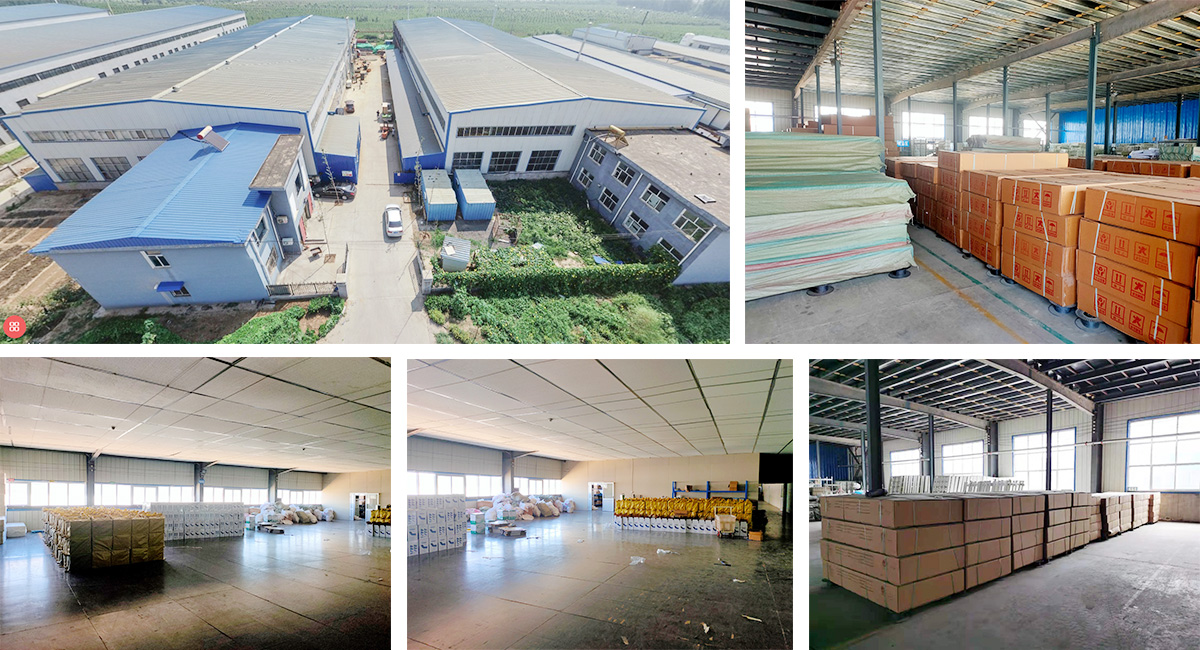
From the raw steel mills to the chrome plating facilities, China’s industrial clusters reduce lead times and shipping costs significantly. At Hangzhou Tucson Medical, we control the quality from the precise size of raw materials to the final functional testing.
Global enterprises often require specific configurations—whether it's wall-mounted, floor-standing, or bed-attached trapeze bars. China’s R&D speed allows for prototypes to be developed and tested in weeks rather than months.
Modern hospital environments require antimicrobial and corrosion-resistant surfaces. Our factories employ medical-grade powder coating and electro-galvanization that withstand frequent disinfection with harsh chemicals.
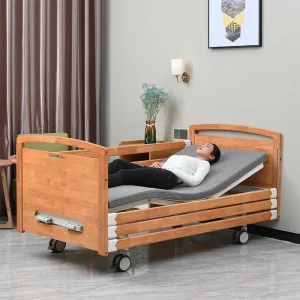
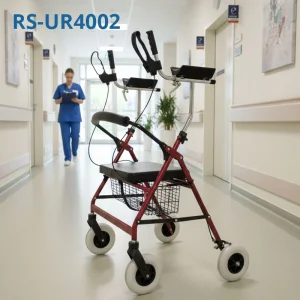
There is a massive shift toward home-based long-term care. This drives demand for "Home-Care Trapeze Bars" that are aesthetically pleasing, tool-free for assembly, and compatible with domestic furniture.
Future trapeze bars are integrating pressure sensors to monitor patient activity levels, feeding data into AI systems to predict fall risks or pressure ulcer formation.
Flat-pack engineering is being utilized to reduce the carbon footprint of global shipping without compromising the structural rigidity of the trapeze system.
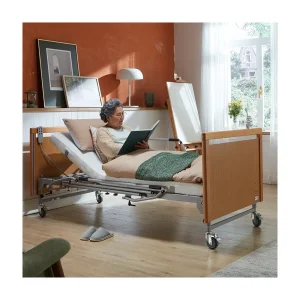
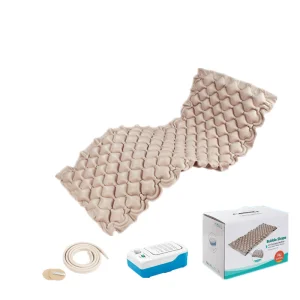
Hangzhou Tucson Medical Co., Ltd. is a leading manufacturer specializing in hospital beds, home care beds, air mattresses, hospital furniture, and other related medical equipment. We have always adhered to the concept of providing the highest quality products to enhance the happiness of patients and the elderly in their lives.
Our commitment to quality control is twofold:
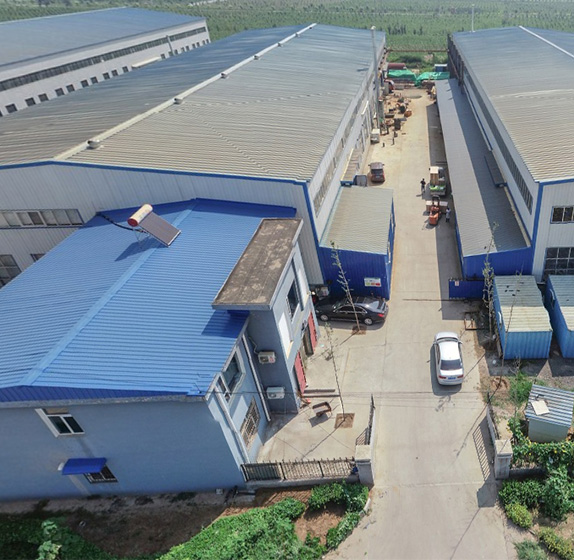
Equipped with advanced laser cutting equipment and robot welding processes, our products match international standards and carry ISO 9001:2015 and EN ISO 13485:2016 certifications.
Our global footprint extends to Asia, Southeast Asia, the Middle East, and South America. We build strategic partnerships with local distributors, continuously optimizing our product lines based on real-world clinical feedback.
Standard models typically support 250 lbs (113 kg), while bariatric-grade bars are engineered to support 650 lbs (295 kg) or more, utilizing reinforced high-tensile steel.
Most manufacturers offer three variants: Bed-mounted (attaches directly to the frame), Floor-standing (free-standing with a broad base), and Wall-mounted for permanent clinical installations.
Our handles are made from high-impact polypropylene or PVC-coated steel with textured surfaces to prevent hand slippage, even in humid environments or when used with gloves.
Typically, for standard specifications, lead times range from 15 to 30 days. Custom OEM orders may take 45-60 days depending on the complexity of the design changes.
 Tucson Medical