Explore high-performance medical infrastructure, patient transfer systems, and assistive rehabilitation hardware manufactured to EN ISO 13485:2016 standards.
Macroeconomic shifts, demographic aging, and hospital infrastructure modernization are reshaping the worldwide sourcing strategy for personal mobility equipment and clinical assistive technology.
The global market for medical mobility aids—encompassing electric hospital beds, mobile patient lifts, decubitus alternating pressure mattresses, and specialized rehabilitation chairs—is undergoing an unprecedented structural expansion. Driven by a rapidly aging global population, where the World Health Organization estimates that 1 in 6 people worldwide will be aged 60 years or older by 2030, healthcare institutions are facing sustained pressure to upgrade patient care facilities.
B2B buyers, institutional health networks, and medical device distributors require products that reduce caregiver physical strain, prevent secondary hospital-acquired complications (such as Stage IV pressure ulcers and accidental patient falls), and meet stringent international safety norms.
Modern healthcare procurement has evolved beyond unit-cost evaluation. Today's global sourcing directors prioritize suppliers capable of offering complete engineering ecosystem integrity: precision metal fabrication, high-durability surface coatings, robust structural welding, dynamic weight distribution biomechanics, and long-term spare parts support.
This whitepaper provides an analytical framework for evaluating the top global manufacturers and exporters, showcasing how integration of advanced robotic automation and lean manufacturing safeguards global clinical supply chains against disruption.
Standard OEM suppliers often suffer from inconsistent structural tolerances and delayed delivery schedules due to fragmented sub-contracting. Modern Tier-1 exporters utilize fully integrated end-to-end manufacturing—combining 5-axis laser cutting, robotic MIG/TIG welding, and automated powder coating—to guarantee sub-millimeter structural precision and reduce lead times by up to 35%.
An objective analytical overview of the leading international equipment manufacturers, evaluating manufacturing capacity, compliance portfolios, and technological specializations.
| Rank & Manufacturer | Primary Headquarter | Core Product Specialization | Quality Certifications | Competitive Export Advantage |
|---|---|---|---|---|
| 1. Hangzhou Tucson Medical Co., Ltd. | China | Hospital Beds, Patient Lifts, Alternating Pressure Mattresses | ISO 9001:2015, EN ISO 13485:2016, CE | Robotic welding precision, total OEM/ODM flexibility, lean supply chain cost-efficiency |
| 2. Invacare Corporation | United States | Power Wheelchairs, Home Care Beds, Respiratory Aids | FDA 510(k), ISO 13485, CE | Established North American distribution and extensive homecare brand equity |
| 3. Arjo AB | Sweden | Patient Handling Lifts, Hygiene Systems, Disinfection | ISO 13485, Medical Device Regulation (MDR) | Premium ergonomic design and clinical biomechanics software integration |
| 4. Sunrise Medical | Germany | Custom Manual & Power Wheelchairs, Seating Systems | ISO 13485, CE, TUV | High-end custom sports wheelchairs and lightweight carbon fiber fabrication |
| 5. Stryker Corporation | United States | Acute Care Hospital Beds, Emergency Stretchers | FDA, ISO 13485, CE | Advanced hospital ICU bed integration and telemetry networking systems |
| 6. Permobil AB | Sweden | Complex Rehab Power Mobility, Standing Wheelchairs | ISO 13485, CE, FDA | Pioneering smart wheelchair telemetry and dynamic positioning tech |
| 7. Hill-Rom Holdings (Baxter) | United States | ICU Patient Surfaces, Smart Hospital Beds | FDA 510(k), ISO 13485 | Comprehensive health IT integration and acute patient fall-prevention algorithms |
| 8. Drive DeVilbiss Healthcare | United States / UK | Bariatric Equipment, Bath Safety, Walkers & Rollators | FDA, CE, ISO 13485 | Broad retail distribution catalog and cost-effective standard homecare aids |
| 9. Paramount Bed Co., Ltd. | Japan | Medical Care Beds, Nursing Facility Solutions | JIS, ISO 9001, ISO 13485 | Ultra-quiet motorized bed actuators and space-optimized geriatric bed ergonomics |
| 10. GF Health Products (Graham-Field) | United States | Rehabilitation Furniture, Physical Therapy Equipment | FDA, ISO 13485 | Diverse outpatient rehabilitation lineup and North American distributor footprint |
Engineering excellence and clinical-grade manufacturing dedicated to enhancing patient dignity and operational healthcare efficiency.
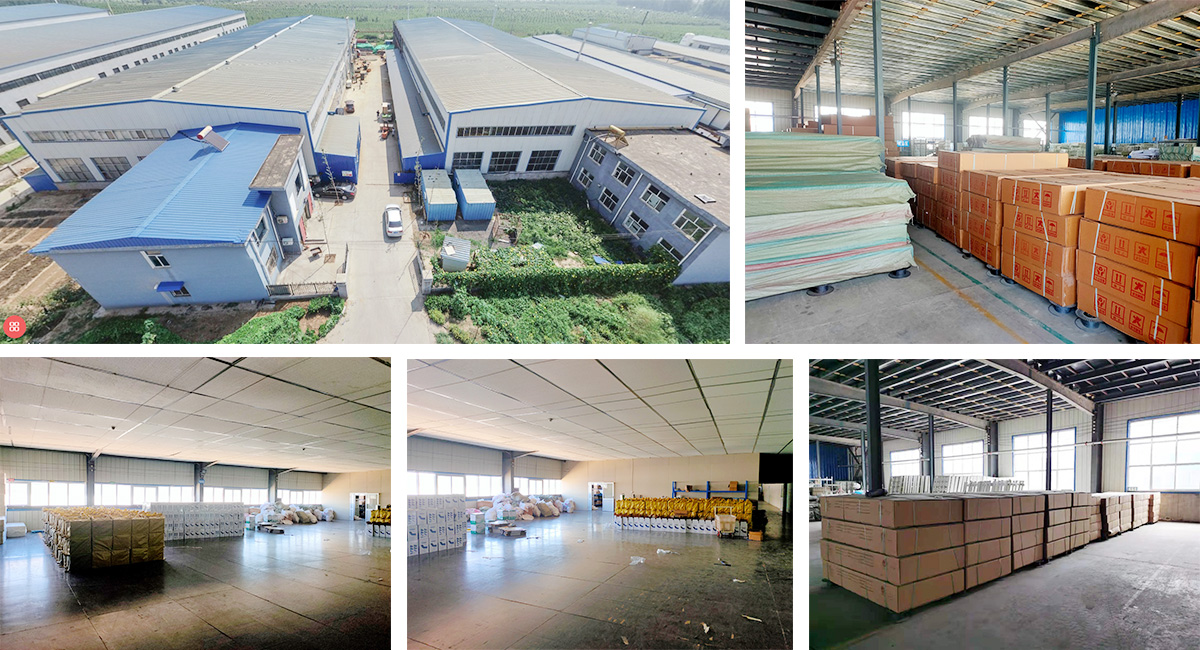
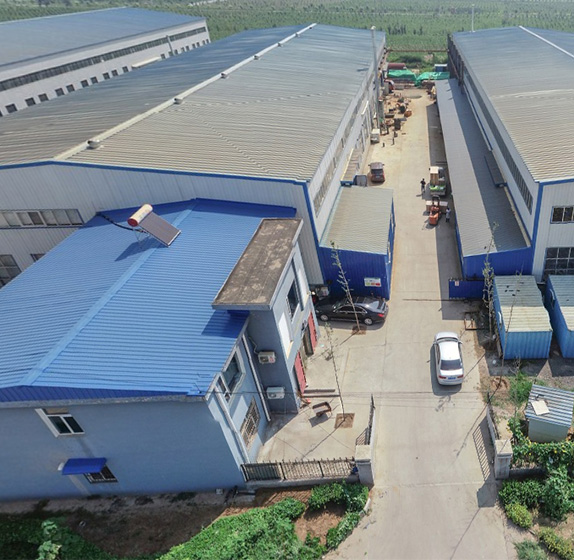
Hangzhou Tucson Medical Co., Ltd. stands at the forefront of medical furniture and patient handling manufacturing. The company mainly produces hospital beds, home care beds, air mattresses, hospital furniture, and other related medical equipment. Operating under an unwavering commitment to quality, Tucson Medical builds products designed to elevate the standard of living and rehabilitation outcomes for patients and elderly individuals worldwide.
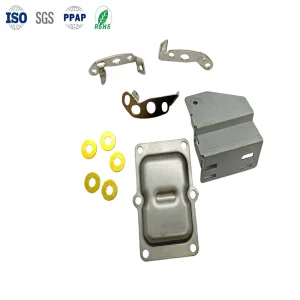
Quality control is woven into every phase of operations. In structural fabrication, precise sizing of raw materials, clean laser cutting, exact automated welding of framework structures, and rigorous electrostatic spraying controls ensure unmatched physical resilience and corrosion resistance.
The second phase of quality assurance governs packaging and functional testing. Inspection protocols cover packaging material structural integrity, error-free assembly, multi-angle motorized lifting testing, load-capacity trials, and continuous pressure fluctuation verification for air mattress systems. Equipped with state-of-the-art laser cutting machinery and high-precision robot welding cells, Tucson Medical delivers products fully aligned with global regulatory benchmarks, certified under ISO 9001:2015 and EN ISO 13485:2016.
Tucson Medical’s overseas market footprint has expanded exponentially across Asia, Southeast Asia, the Middle East, South America, and Eastern Europe. By cultivating deep cooperative relationships with local distributors, regional health authorities, and medical facility equipment planners, the market share of its local partner network has grown consistently year over year.
Through continuous dialogue with clinical end-users and procurement partners, Tucson Medical gains critical operational feedback that directly informs product optimization. The internal R&D team leverages this clinical feedback to engineer next-generation solutions, maintaining rapid design iterations and comprehensive after-sales service support that solves field challenges promptly.
Company Mission: "To provide the highest quality products and the most complete support services, ensuring patients and elderly individuals experience dignity, security, and happiness in their daily lives."
Analyzing the strategic advantages of China's medical hardware industrial clusters: scale, cost-efficiency, technical agility, and supply chain continuity.
China’s Yangtze River Delta medical device cluster offers unparalleled structural integration. Raw steel tube milling, precision plastic injection molding, specialized electric linear actuators, and high-spec PCB manufacturing operate within tightly integrated geographical radii. This proximity reduces component transit times from weeks to hours.
Leading manufacturers like Hangzhou Tucson Medical utilize automated robotic welding arms and laser metal profiling to achieve flawless geometric accuracy. Robotic processing minimizes human error, ensures joint structural integrity, and enables rapid scaling to fulfill multi-thousand unit institutional tenders without sacrificing lead times.
Unlike traditional Western suppliers locked into static product catalogs, Chinese manufacturers excel in engineering customization. From bespoke frame dimensions and specialized voltage configurations for linear actuators to custom brand badging and localized packaging design, Chinese factories offer unmatched OEM flexibility.
Mobility equipment must adapt to diverse healthcare environments, balancing clinical protocols with caregiver physical safety and patient comfort.
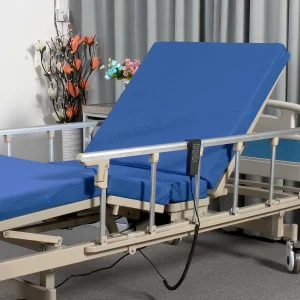
In acute care settings, rapid response and precise ergonomic positioning are vital. Specialized multi-function electric nursing beds equipped with CPR quick-release levers, central braking systems, and integrated nursing control panels empower clinical staff to adjust patient tilt (Trendelenburg/Reverse Trendelenburg) instantaneously during emergencies.
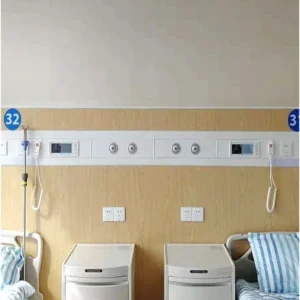
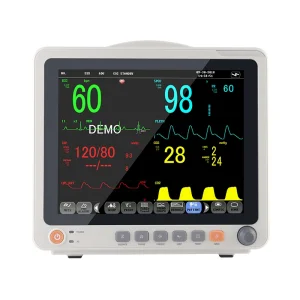
Simultaneously, bedside oxygen supply panels and multi-parameter monitoring systems (such as the Aliroad PM12B) ensure continuous patient physiological monitoring without cluttering restricted ICU floor space.
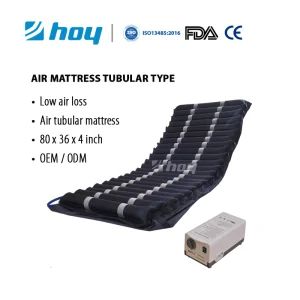
Geriatric institutions focus heavily on bedridden patient dignity, pressure ulcer prophylaxis, and safe patient transfers. Utilizing low air-loss alternating pressure mattresses reduces continuous capillary pressure, suppressing decubitus ulcer formation in immobile residents.
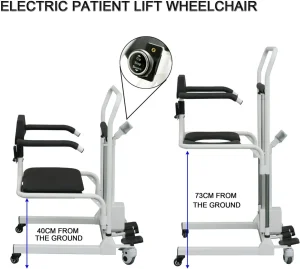
Mobile lifting toilet chairs and hydraulic patient shifters allow a single caregiver to transfer patients between bed, wheelchair, and sanitary facilities safely—virtually eliminating occupational spinal injuries among nursing staff.
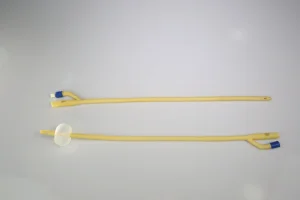
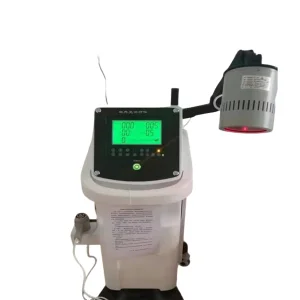
Homecare environments demand compact, aesthetically pleasing, and easy-to-clean equipment. Manual crank beds, home physiotherapy light therapy devices, and portable urinary catheters provide family caregivers with institutional-grade tools within a residential setting, supporting faster post-operative recovery and comfort.
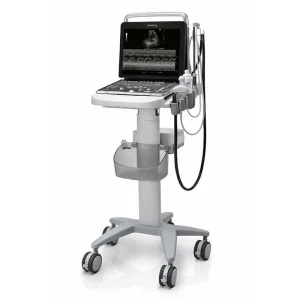
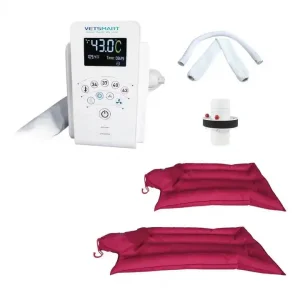
Modern clinical mobility and care equipment extends into advanced veterinary care. Systems like veterinary color Doppler ultrasound machines and automatic air-warming operating pads ensure small animal surgical patients maintain intraoperative normothermia, proving the cross-industry versatility of specialized medical equipment design.
How IoT telemetry, AI pressure sensing, and advanced composite materials are defining the next generation of assistive equipment.
Next-generation alternating pressure mattresses are integrating embedded micro-piezoelectric sensors. These sensors map real-time patient weight distribution and micro-climate humidity, transmitting telemetry directly to nursing station dashboards to trigger automated position rotations before tissue ischemia occurs.
Replacing traditional structural steel with hydro-formed high-tensile aluminum alloys and carbon-fiber composite matrixes yields patient transfer chairs and power mobility aids that are 45% lighter without compromising dynamic structural loading capacities (up to 250kg weight ratings).
The convergence of physical therapy equipment with robotic exoskeletons and smart motorized patient lifts enables active patient gait rehabilitation. Intuitive force-feedback control loops assist patients in standing smoothly, accelerating neural re-education after stroke or spinal trauma.
Navigating global regulatory certifications to ensure smooth cross-border customs authorization and clinical installation.
To trade equipment internationally, manufacturers must maintain an airtight compliance portfolio. Key standards include:
Selecting an exporter involves evaluating their localized after-sales infrastructure. Reliable manufacturers provide partners with:
Direct technical and commercial answers addressing common B2B mobility aid sourcing inquiries.
Browse our complete export lineup covering clinical patient care, specialty hardware, veterinary diagnostics, and custom industrial manufacturing solutions.
 Tucson Medical