Tucson Medical
1 / 5
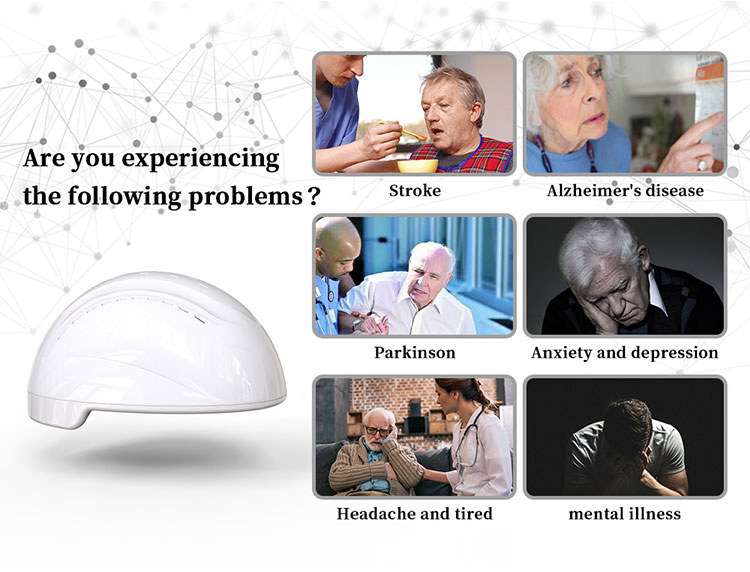
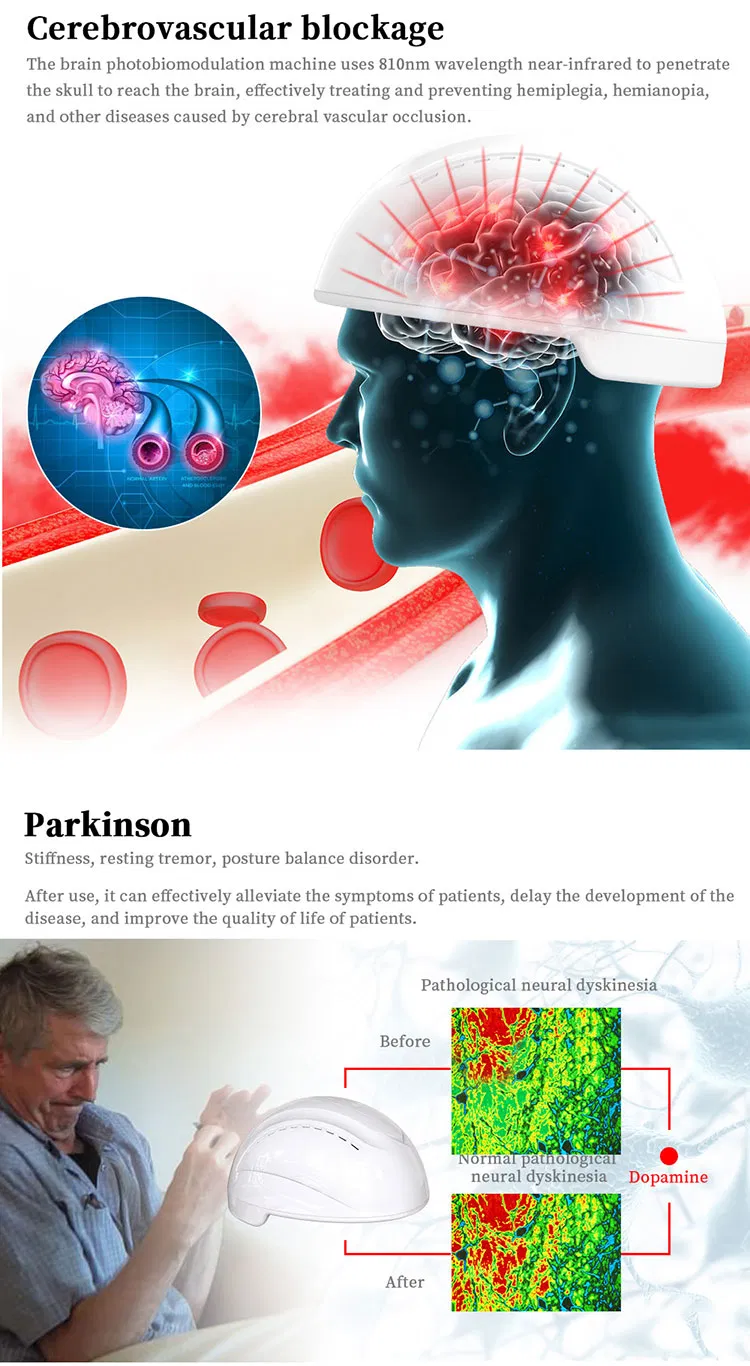
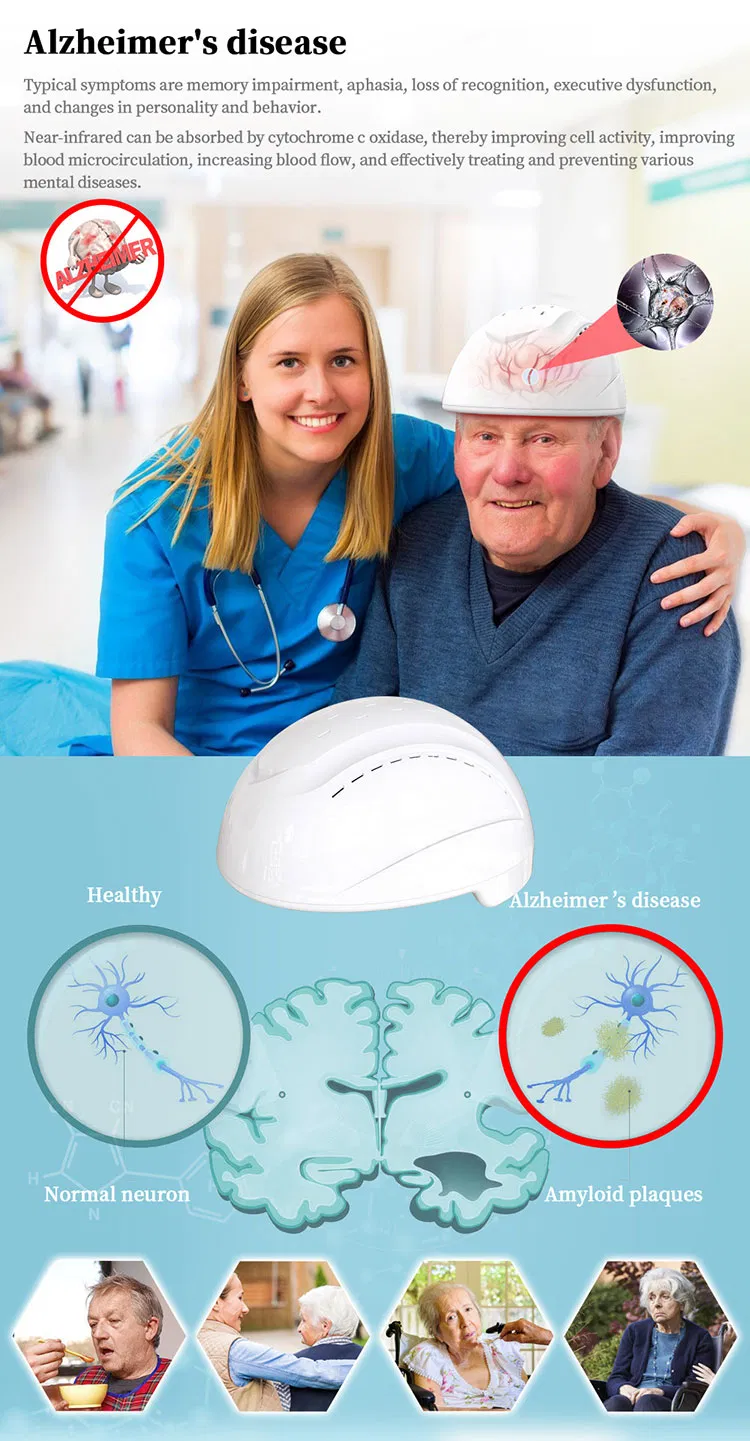
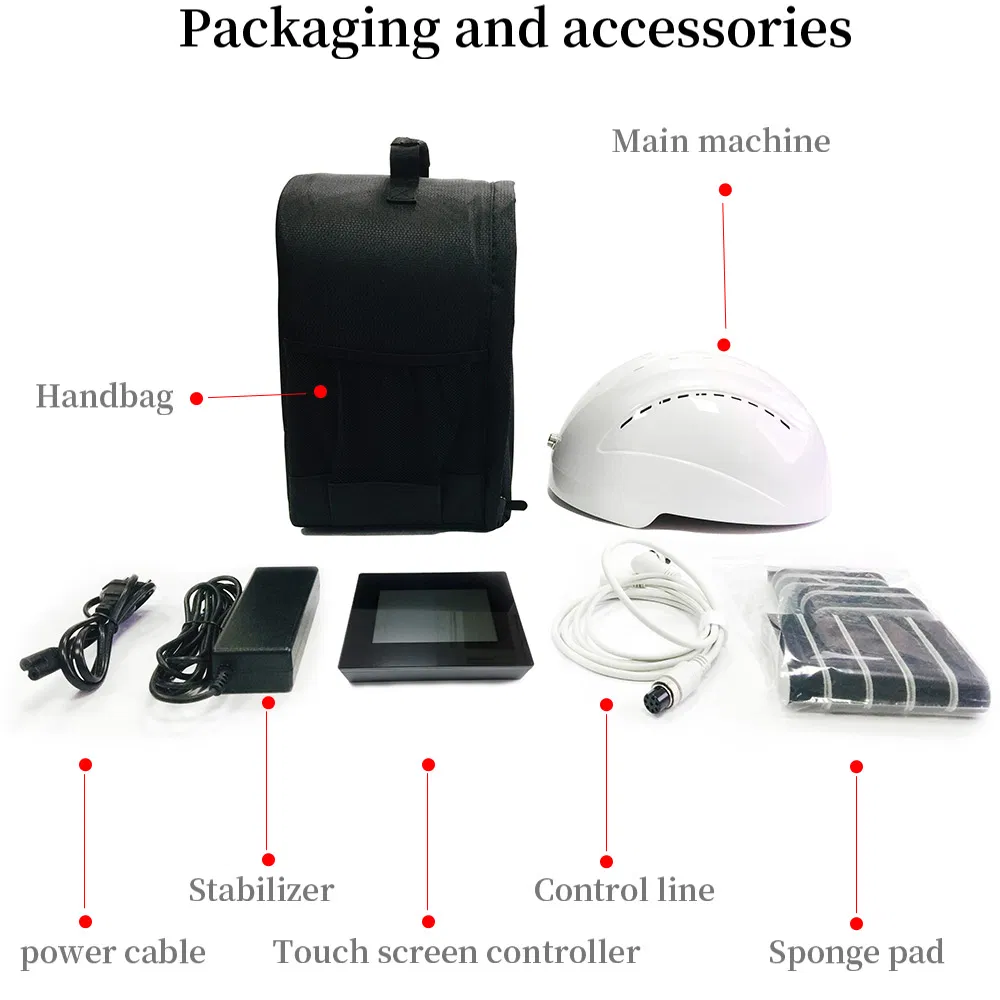
The Brain Photobiomodulation Machine is a therapeutic instrument based on the principle of photobiomodulation. It has a good therapeutic effect on traumatic events (stroke, traumatic brain injury, and global ischemia), degenerative diseases (dementia, Alzheimer's and Parkinson's), and psychiatric disorders (depression, anxiety, post traumatic stress disorder).
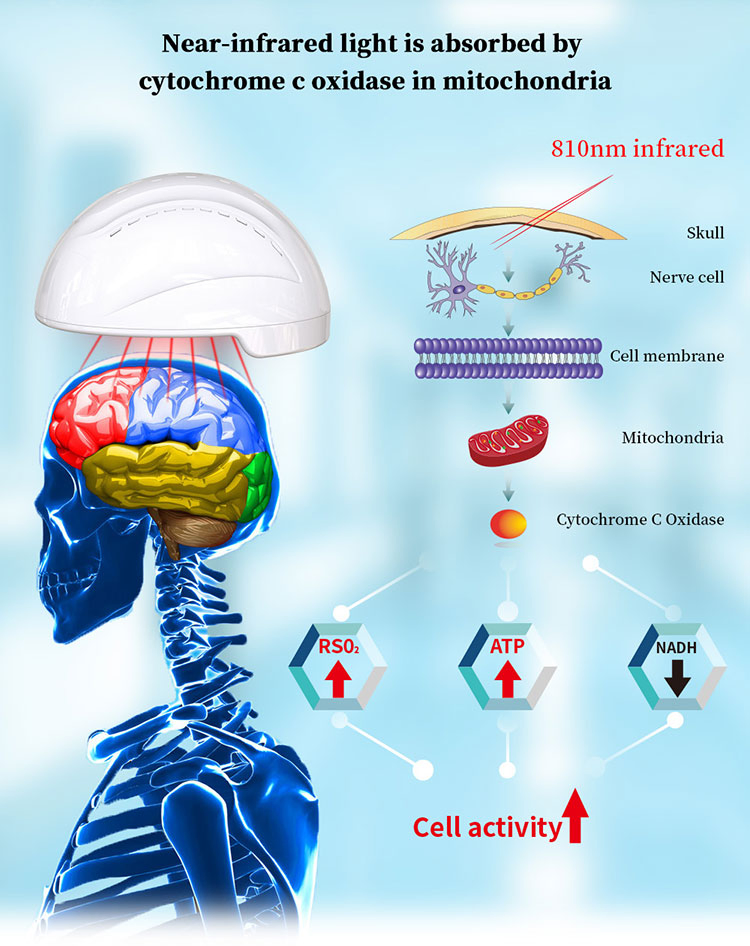
Photobiomodulation (PBM) describes the use of red or near-infrared light to stimulate, heal, regenerate, and protect tissue that has either been injured, is degenerating, or else is at risk of dying. One of the organ systems of the human body that is most necessary to life, and whose optimum functioning is most worried about by humankind in general, is the brain.
In this transcranial PBM (tPBM) application, near-infrared (NIR) light is often applied to the forehead because of the better penetration (no hair, longer wavelength).
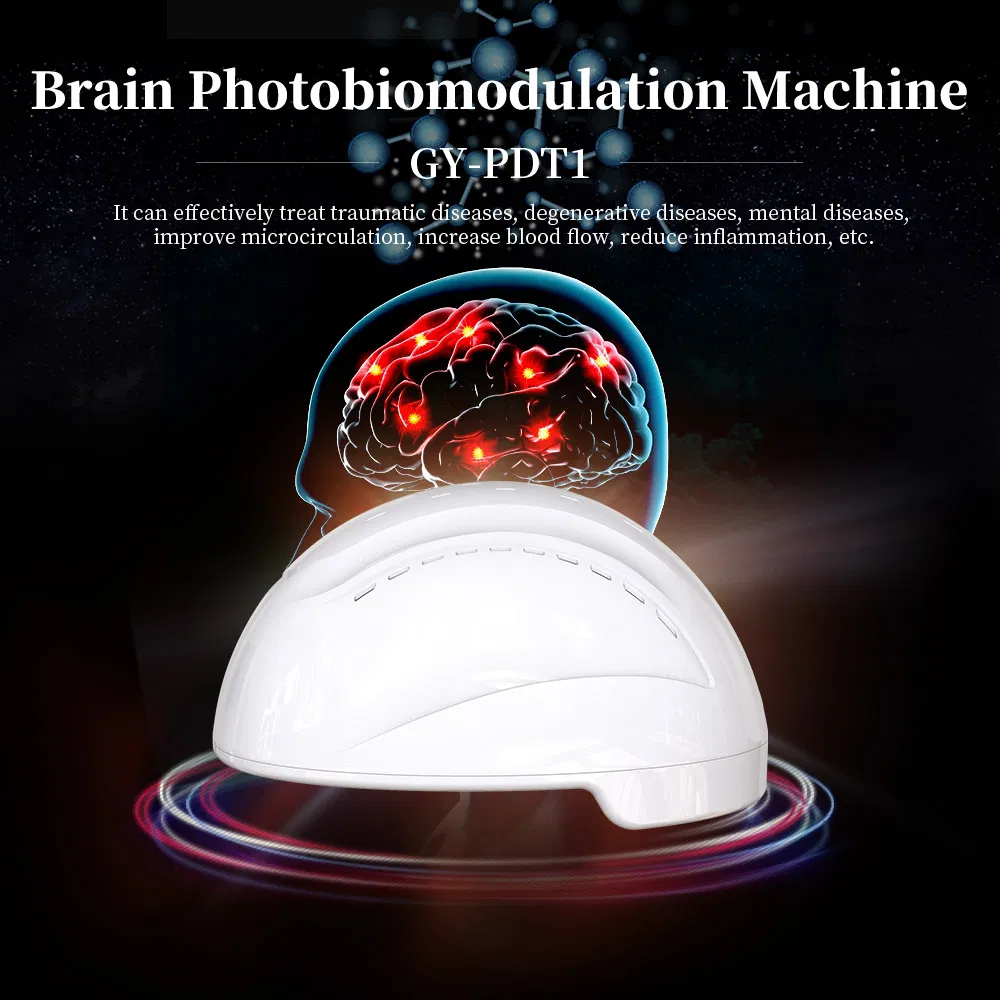
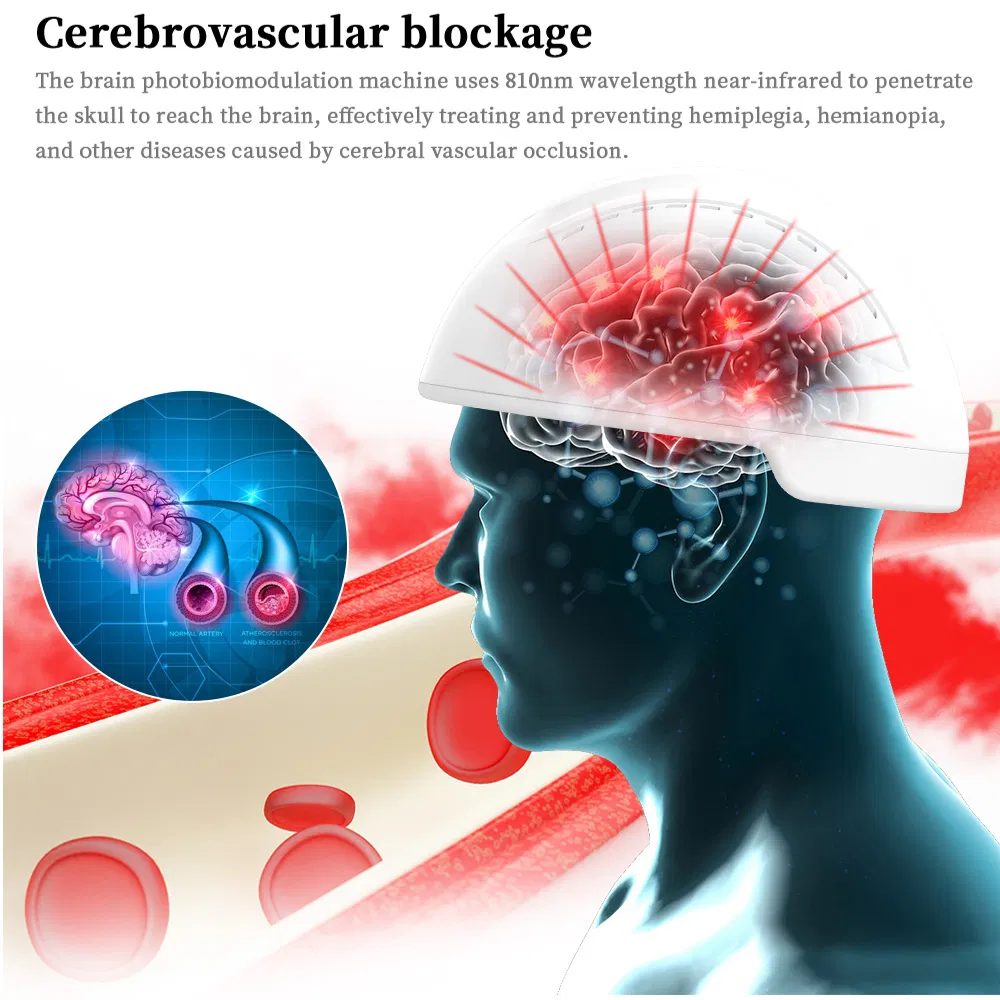
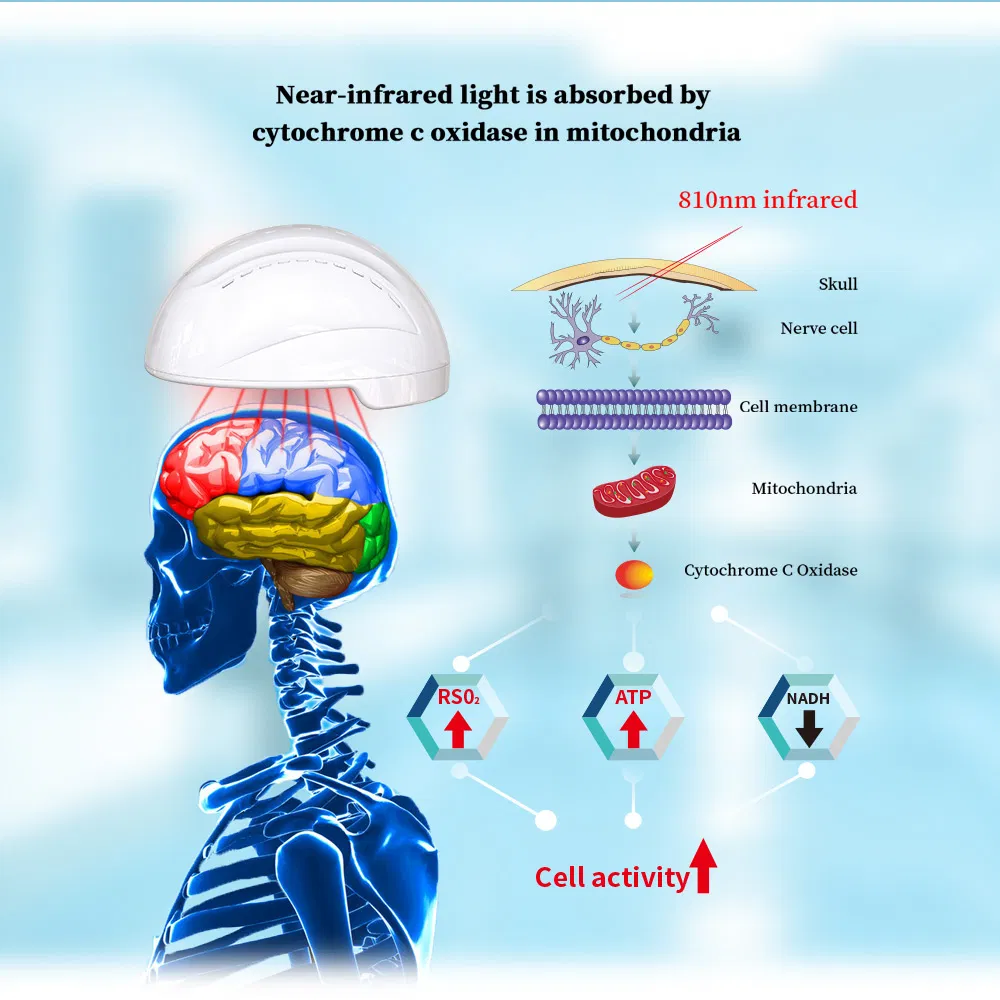
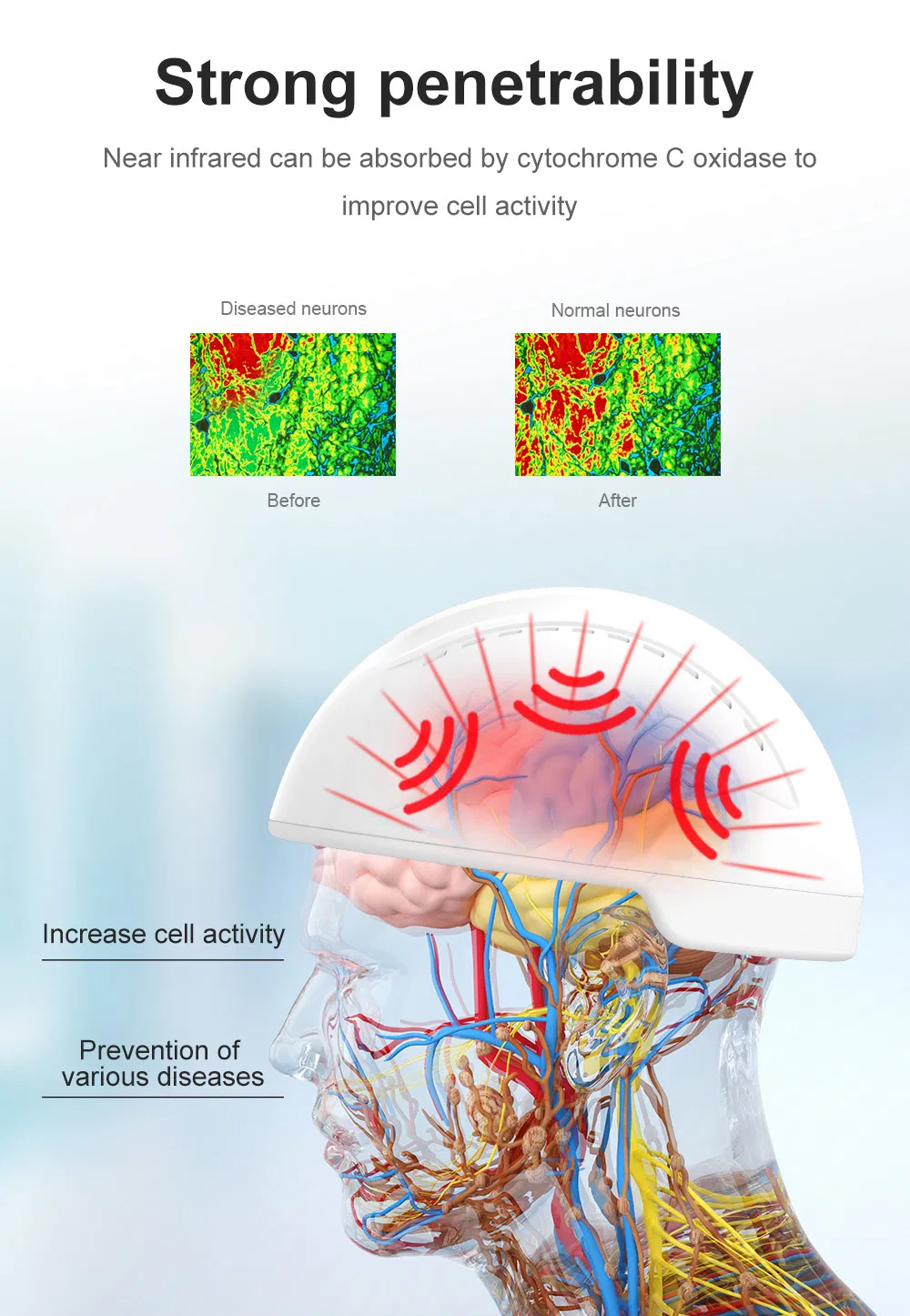
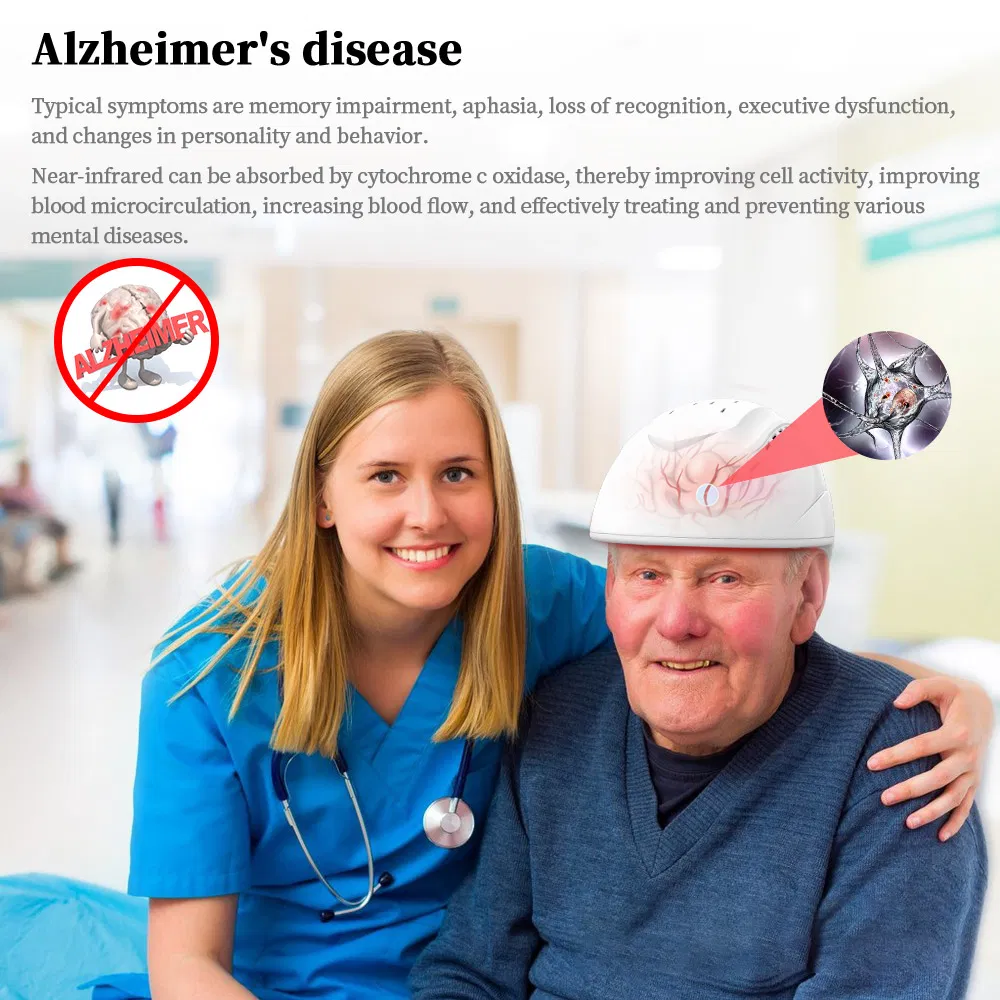
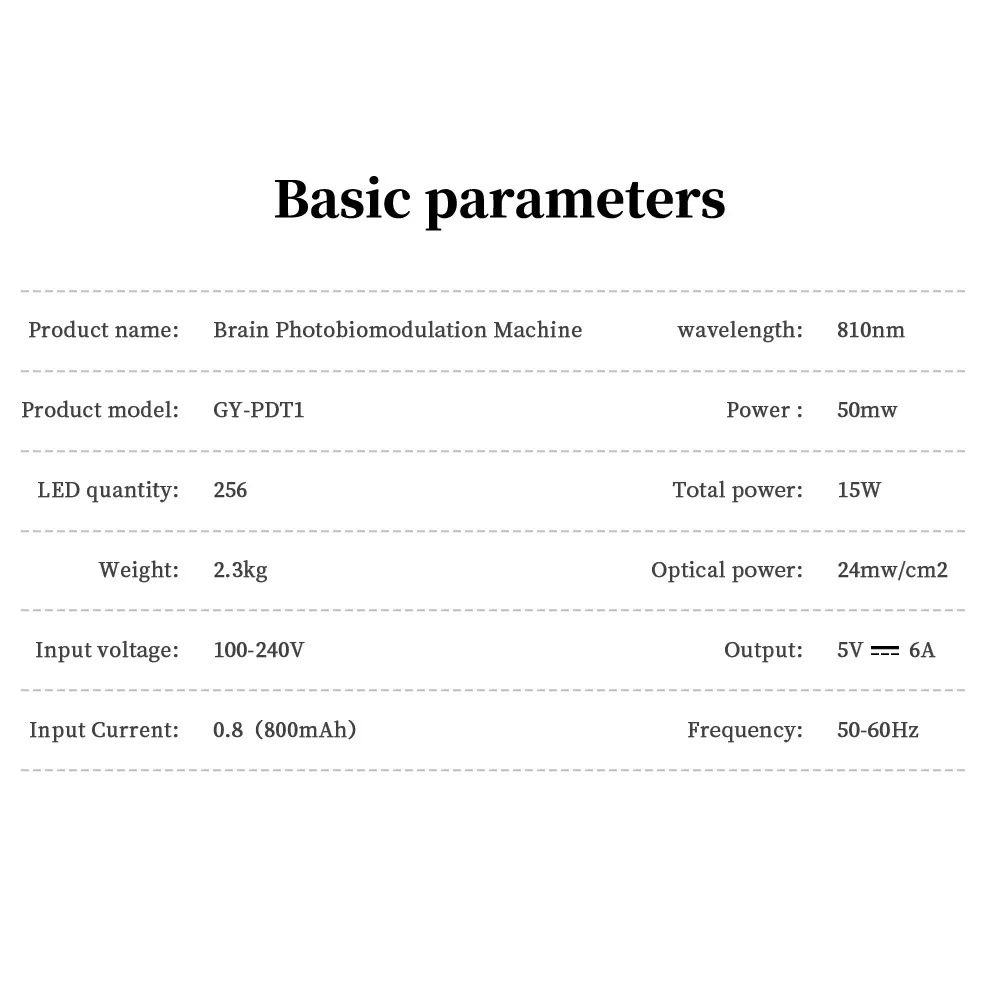

A: It uses 810nm near-infrared light to stimulate and protect brain tissue, aiding in the treatment of stroke, dementia, Alzheimer's, and various psychiatric disorders.
A: Yes, 810nm is a widely researched wavelength in Photobiomodulation (PBM) known for its ability to penetrate the skull and reach the brain tissue effectively and safely.
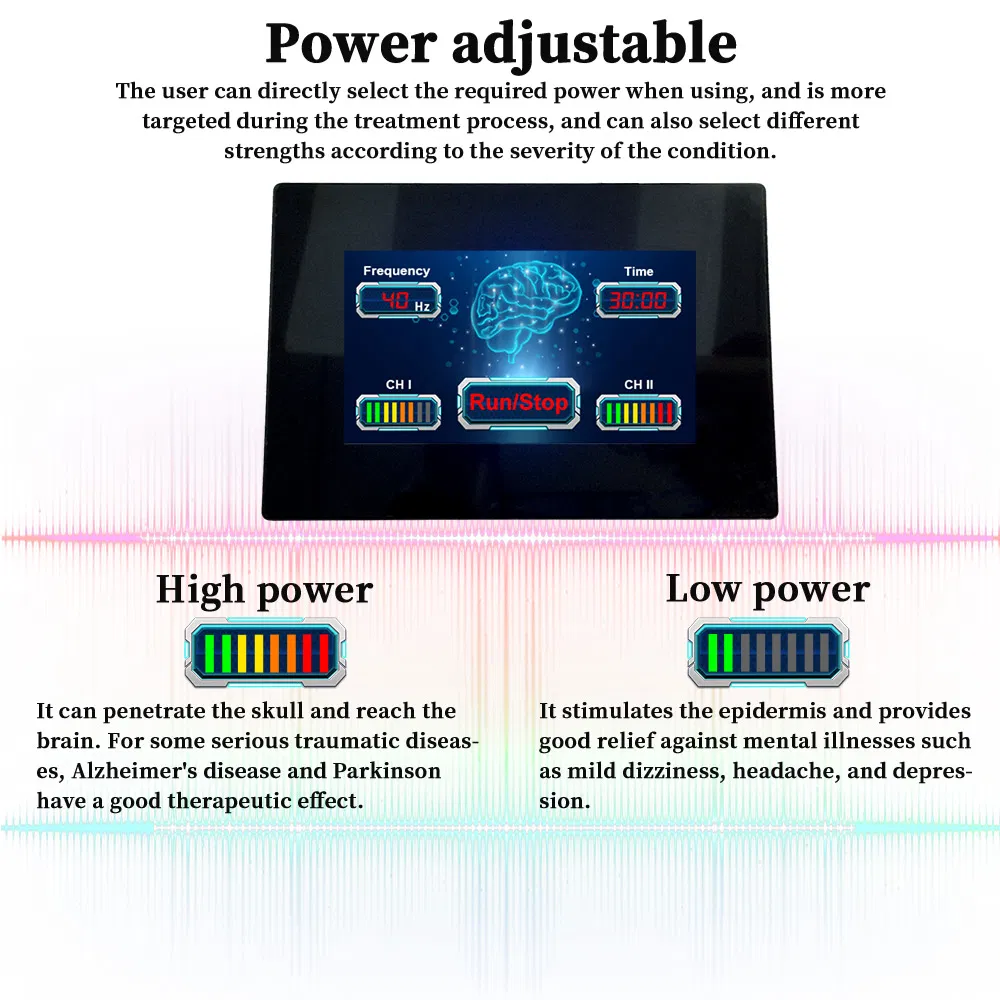
A: The device supports adjustable time settings from 1 to 30 minutes, allowing users to customize treatment according to professional advice.
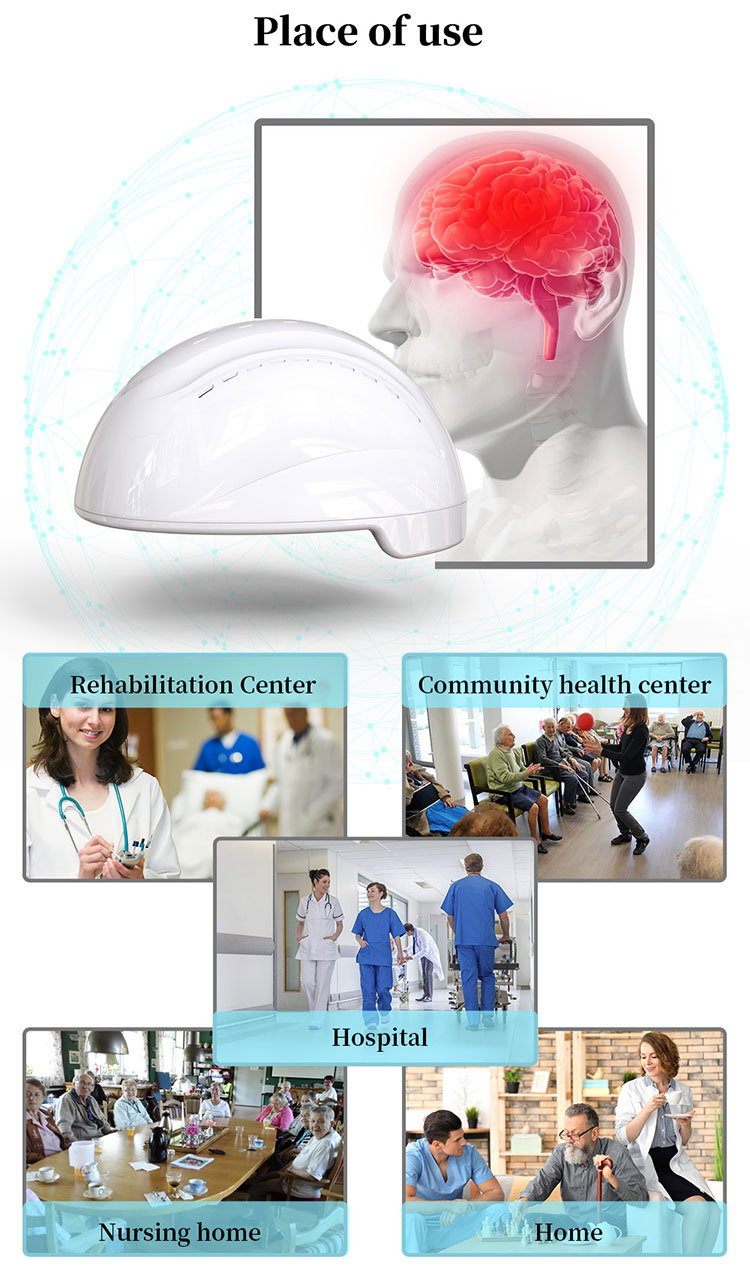
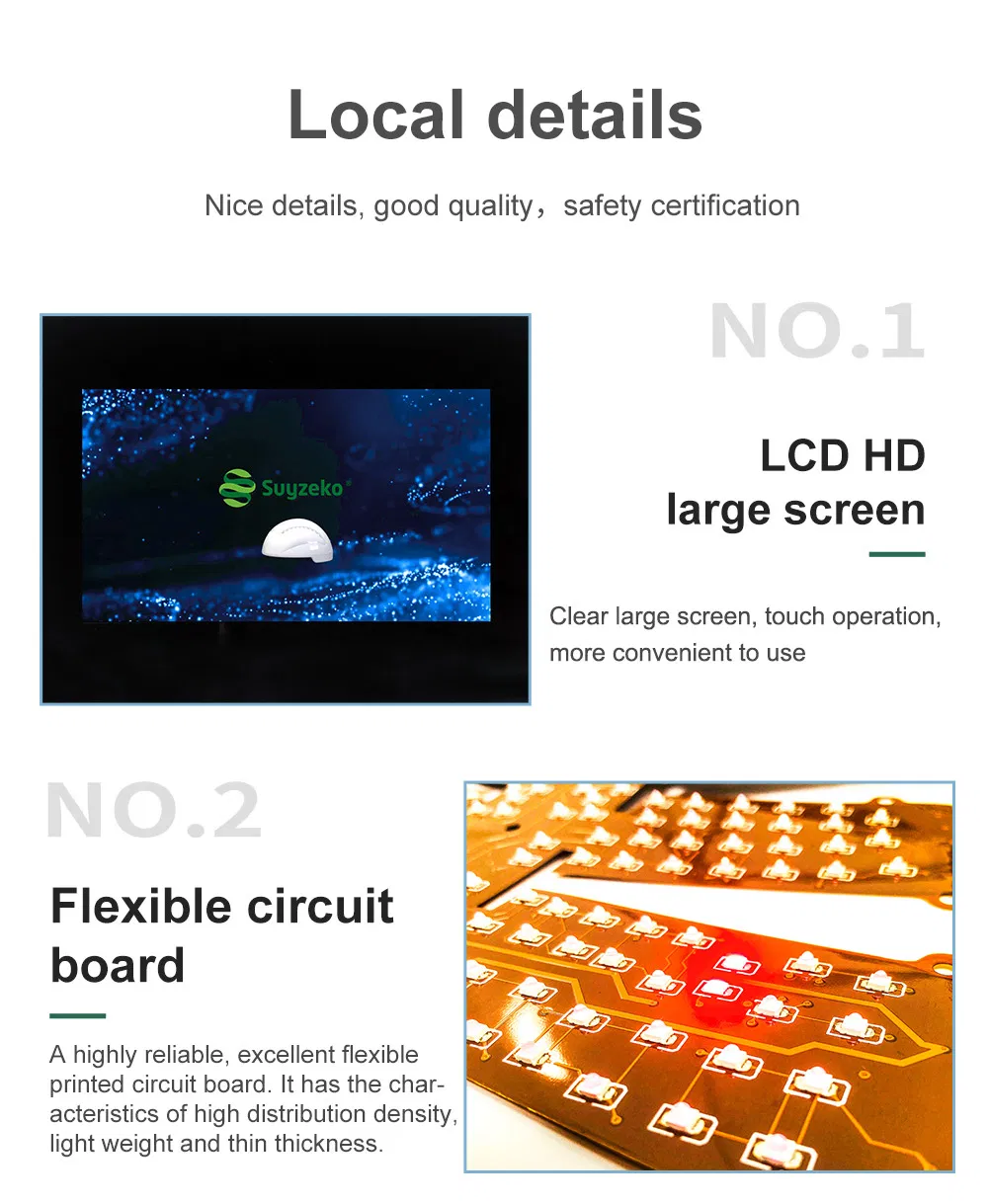
A: Yes, it is designed for both clinical and home use, featuring a user-friendly LCD display and adjustable frequency settings.
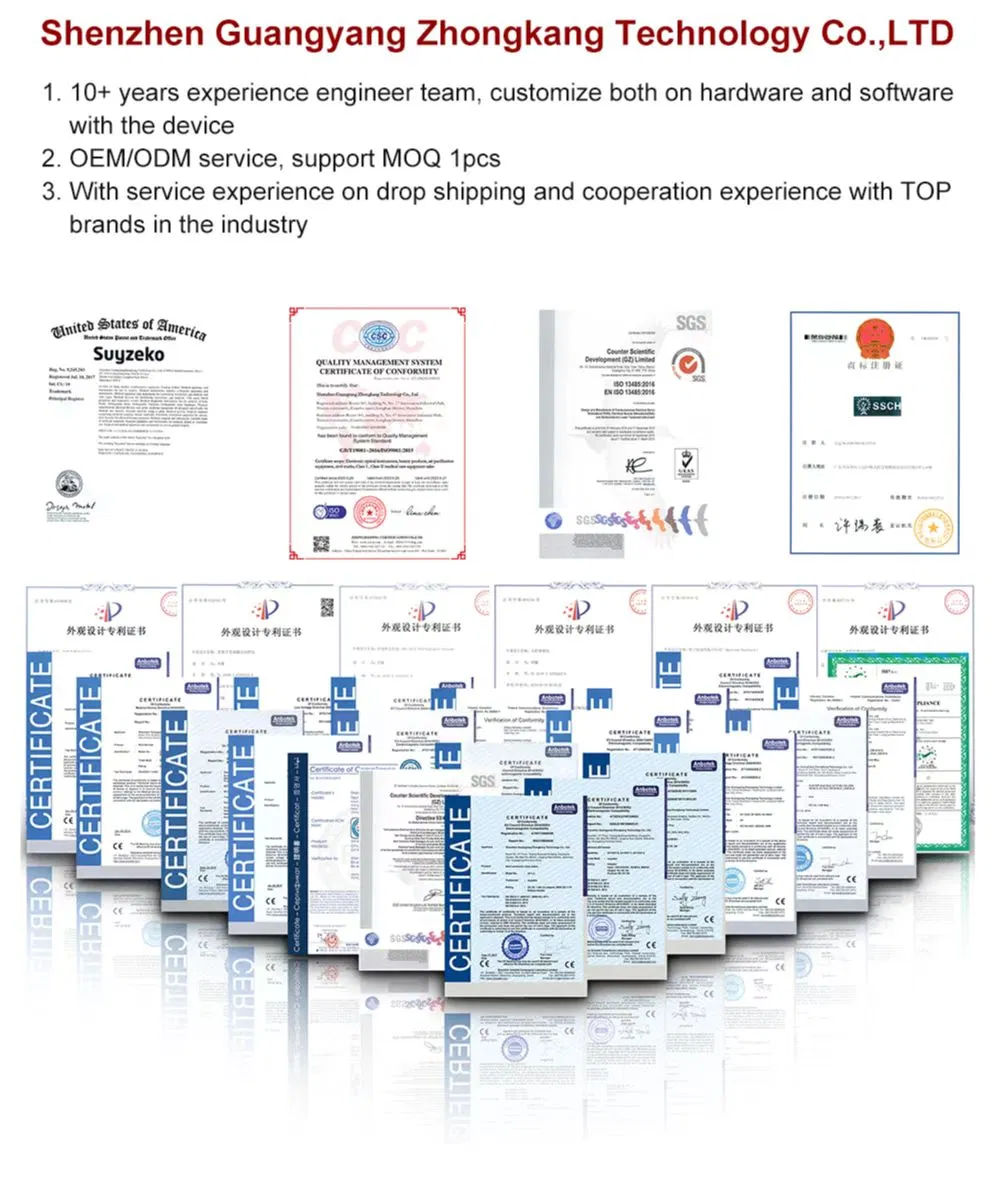
A: The GY-PDT-1 model is compliant with international standards and holds CE and FDA certifications.
A: Yes, the device offers a wide frequency range from 0Hz up to 20,000Hz to suit different therapeutic needs.