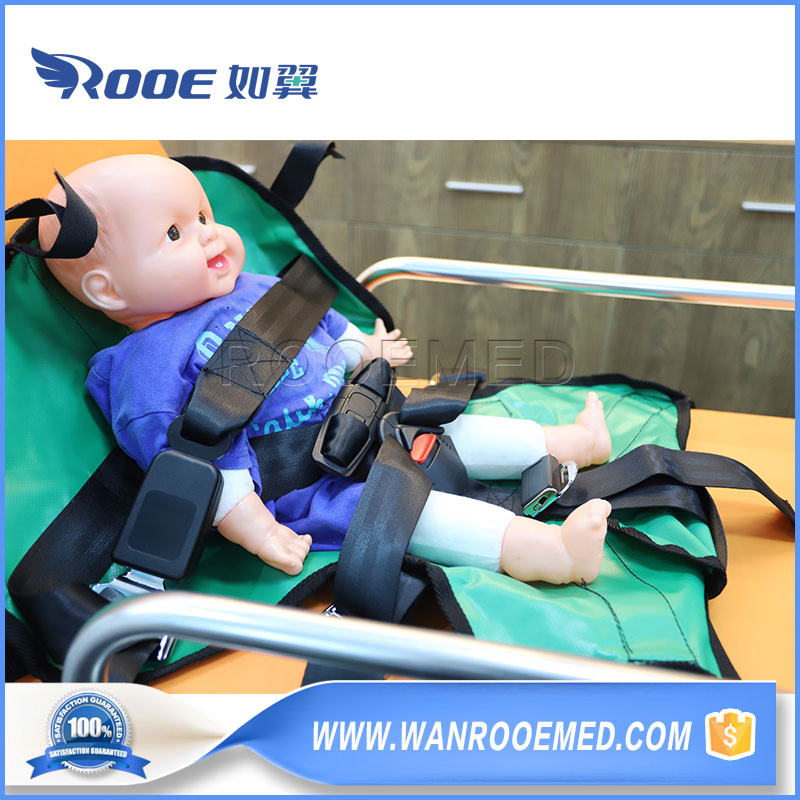
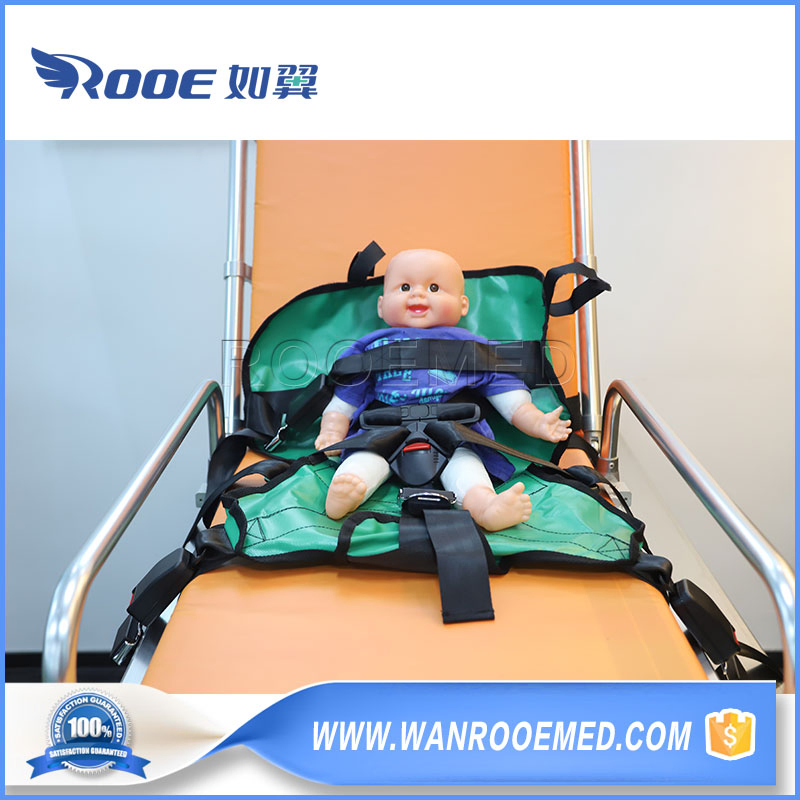
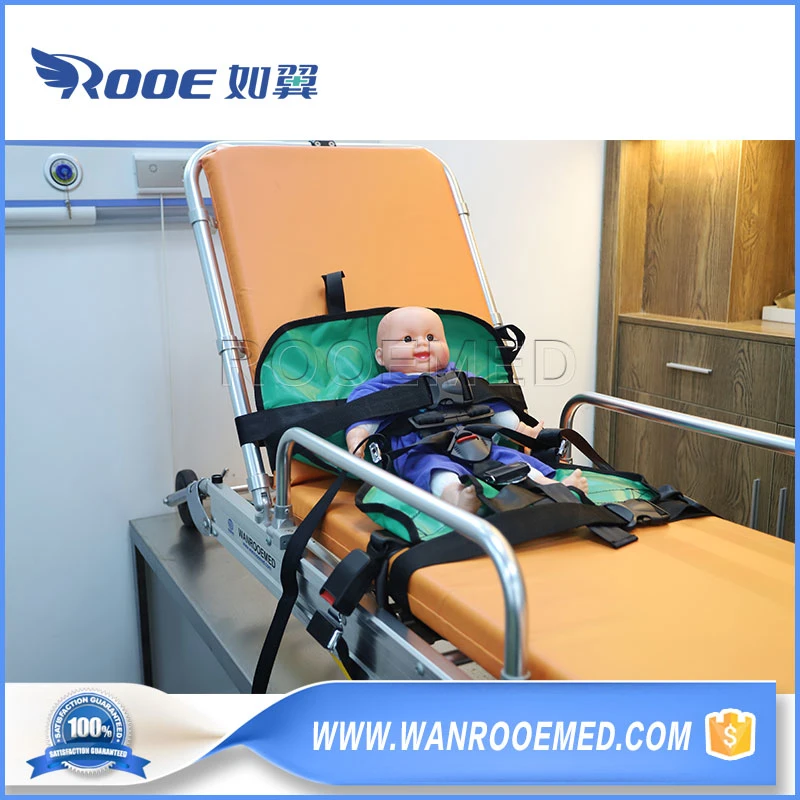
EB-3A Kendrick Extrication Device Child Immobilization Security Devices Restraint System
✔ Key Features & Advantages
🔵
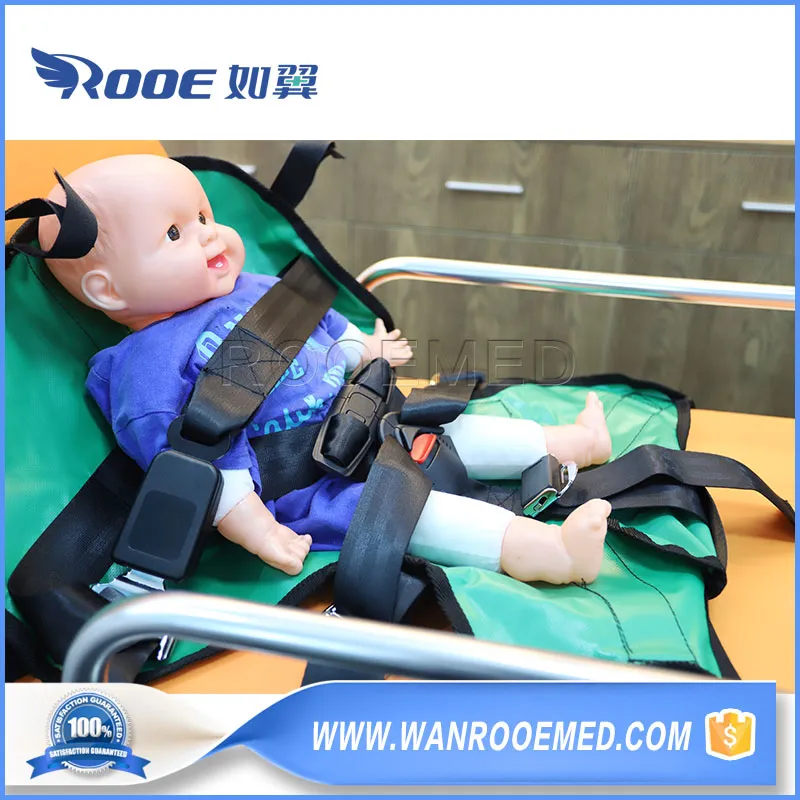
Suitable for children of all shapes and sizes, securely holding patients from 3.2kg to 18kg.
🔵
Universal design suitable for any stretcher bed without requiring bracket adapters.
🔵
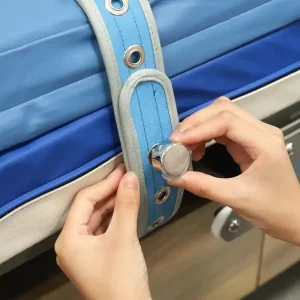
Advanced restraint system that tightens into the mattress, ensuring patient comfort and stability.
🔵
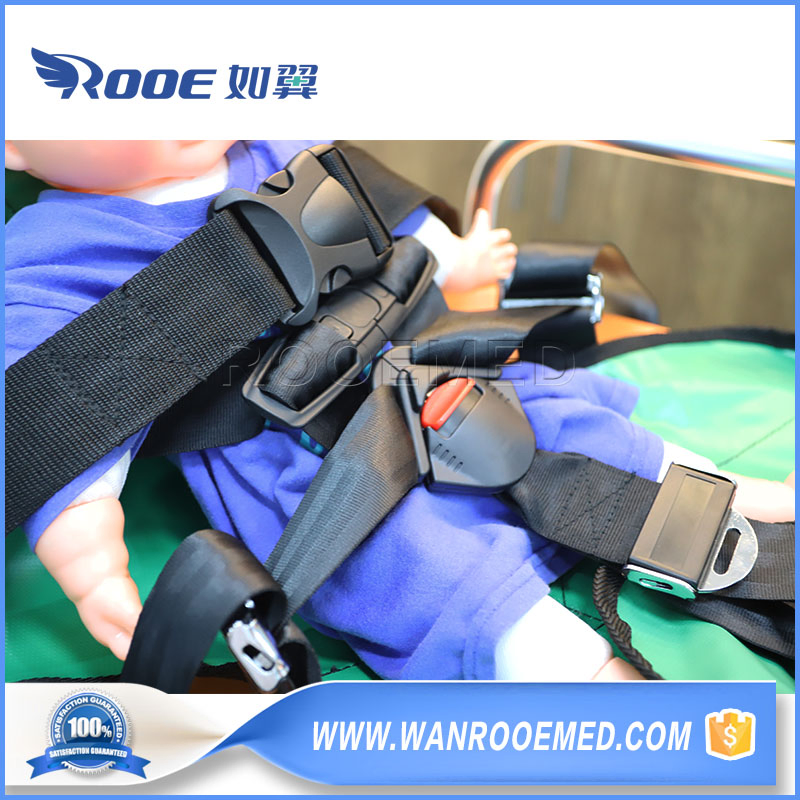
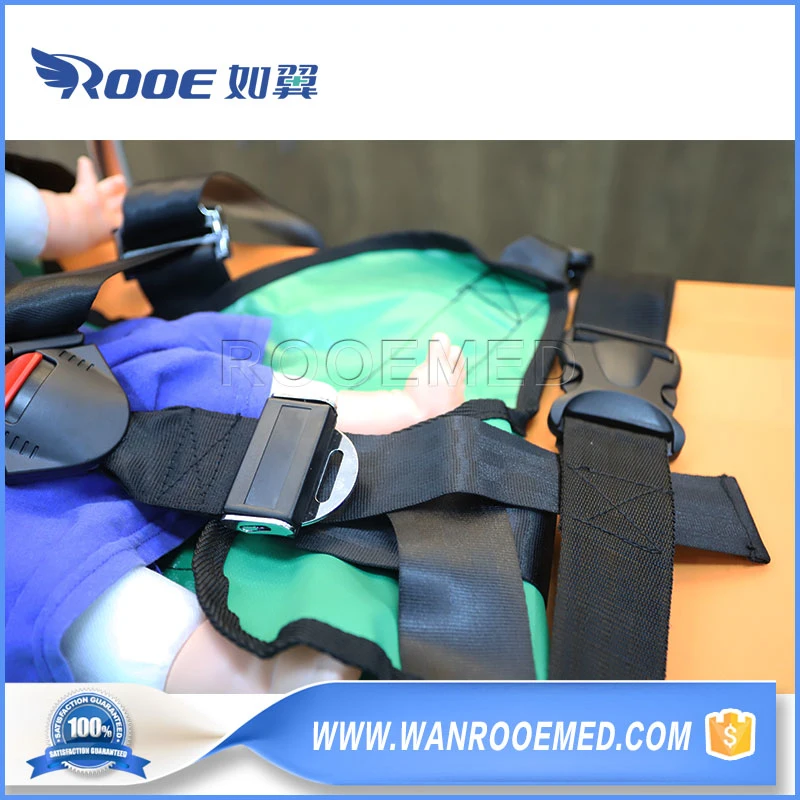
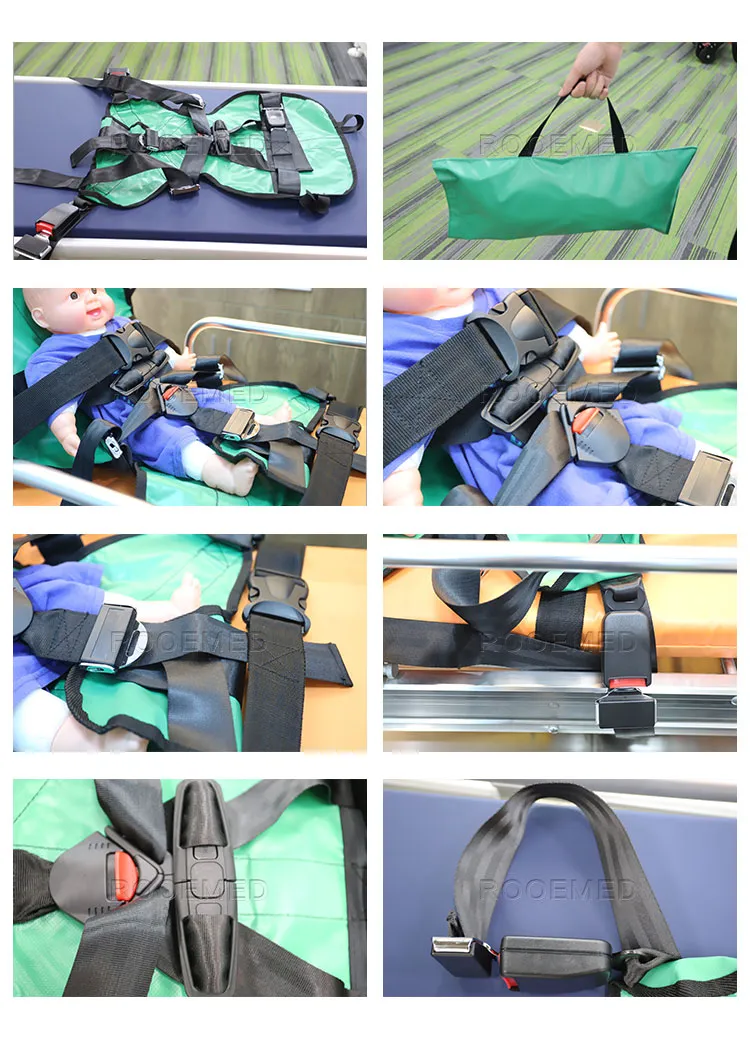
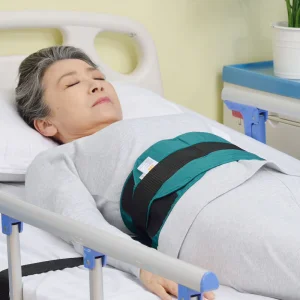
Heavy-duty 5-point black adjustable webbing safety belt for maximum security.
🔵
Equipped with high-quality metal quick-release hardware buckles for emergency speed.
🔵
High weight capacity range supporting children from 10 to 40 pounds.
🔵
Fully adjustable five-point hardness system for firm placement during emergency transportation.
🔵
Manufactured with non-toxic, high-quality PVC material that is extremely easy to clean.
🔵
Space-saving design; can be rolled up for efficient storage when not in use.
🔵
Includes a durable zipper storage bag with a handle for easy retrieval.
❓ Frequently Asked Questions
Q1: What weight range is this child immobilization device suitable for?
It is designed for infants and children weighing between 3.2kg and 18kg (approximately 10 to 40 pounds).
Q2: Can it be used with any standard ambulance stretcher?
Yes, it is designed to be compatible with any stretcher bed and does not require a specific bracket adapter for installation.
Q3: How secure is the harness system?
The device features a heavy-duty 5-point adjustable safety belt system with metal quick-release hardware to ensure the child is held firmly and safely.
Q4: Is the material easy to disinfect?
Yes, the device is made from high-quality, non-toxic PVC material which is smooth and easy to wipe down and clean between uses.
Q5: How is the device stored when not in use?
The device is highly portable; it can be rolled up and stored in the included zipper bag with a handle, allowing for efficient storage in emergency vehicles.
Q6: Does the restraint system put pressure on the child?
The restraint system is designed to tighten into the mattress of the cot rather than the patient, providing security without unnecessary pressure.
 Tucson Medical