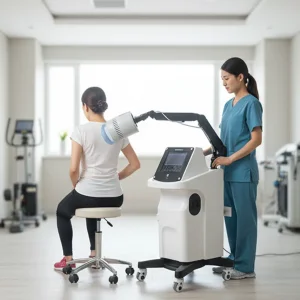
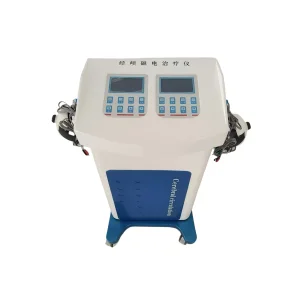
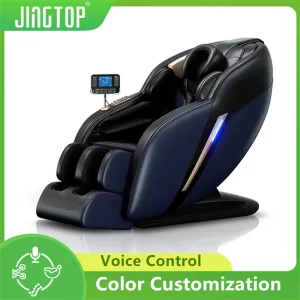
Specially adapted for the domestic care requirements of Lesotho’s urban centers and rural highlands.
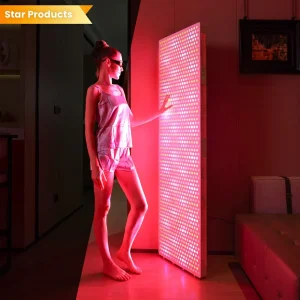
Lesotho, globally recognized as the "Kingdom in the Sky" due to its elevated altitude (exceeding 1,400 meters across the country), presents a unique clinical logistics challenge. Mountainous terrains, remote settlements in districts such as Thaba-Tseka, Mokhotlong, and Qacha's Nek, and limited primary hospital access make decentralized care essential. The Lesotho Ministry of Health highlights home-based healthcare as a critical component in easing the pressure on regional hubs like Queen 'Mamohato Memorial Hospital in Maseru.
Furthermore, the rising incidence of musculoskeletal disorders, post-stroke motor complications, and chronic circulatory illnesses in Southern Africa drives local healthcare providers to seek medical equipment that is both durable and easy to operate. Distributing home care beds, localized phototherapy systems, and portable laser therapy tools allows patients to manage recovery directly within their communities.
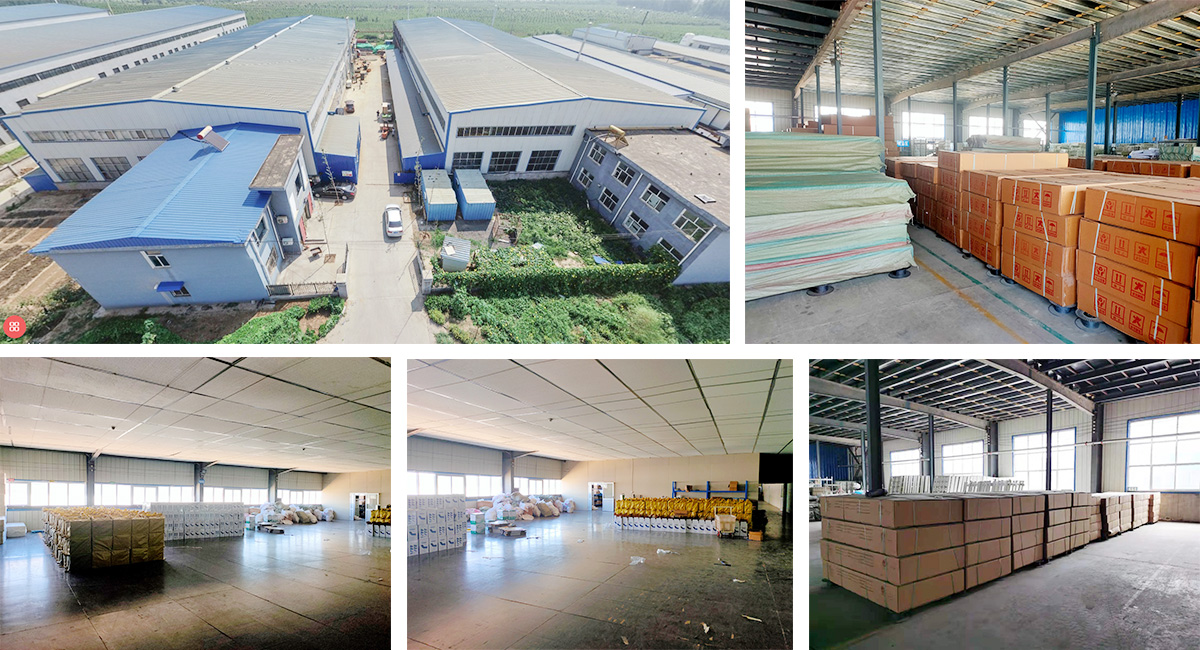
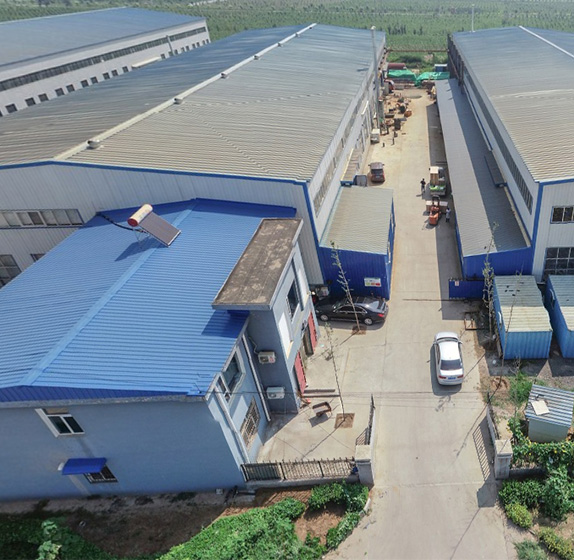
At Hangzhou Tucson Medical Co., Ltd., our manufacturing setup is designed to meet strict international standards for medical furniture and rehabilitation devices. Our facilities feature advanced laser cutting systems and robotic welding cells that deliver high precision and structural integrity. Every product, from heavy-duty hospital beds to home care equipment, is built to perform reliably over years of intensive clinical and domestic use.
Streamlined shipping systems built for secure landlocked delivery in Southern Africa.
Cargo is shipped directly to the Port of Durban, South Africa, and then transported by road or rail through border entries like Maseru Bridge or Maputsoe, avoiding inland delays.
We align all documentation with the Southern African Customs Union (SACU) guidelines, providing complete bills of lading, certificates of origin, and commercial invoices to simplify customs clearance.
Our products match international requirements, supported by ISO 9001:2015 and EN ISO 13485:2016 certifications to ensure consistent safety and performance.
Our quality control process covers every stage of manufacturing. In the primary production phase, we enforce strict tolerances on raw materials, structures, and coatings. The secondary stage focuses on final testing, verification of mechanical functions, and secure packaging to protect equipment during international transport.
We partner with regional distributors across Asia, South America, and Africa. By working closely with local partners, we gather feedback to continuously refine our designs and keep our products aligned with the practical needs of healthcare providers.
Designing home healthcare systems that remain reliable under challenging operational conditions.
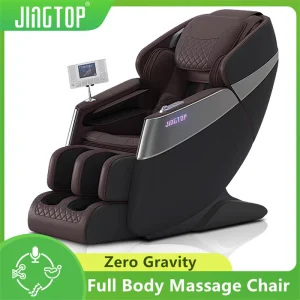
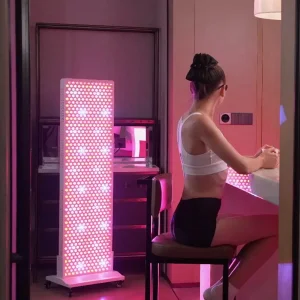
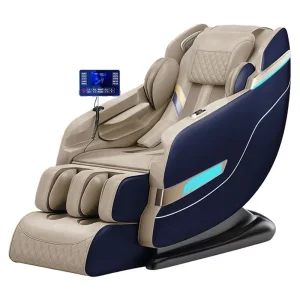
Electrical components in our light therapy panels and medical massagers are designed to handle voltage fluctuations, helping protect the equipment in regions with variable power grids.
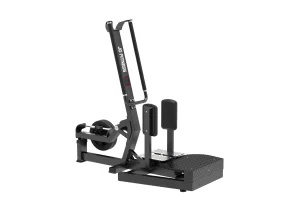
Our physical therapy benches and abductor machines feature modular designs, making them easier to transport over mountain passes and quick to set up on site.
By using standard components and accessible layouts, we ensure local technicians or facility staff can handle routine upkeep with basic training.
Certified medical solutions built for institutional and home-based recovery.
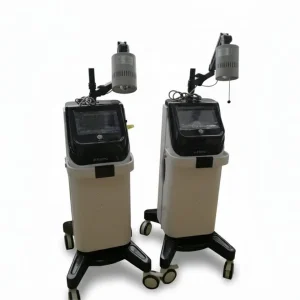
Key insights on selecting and deploying medical-grade home care devices in the SADC region.
When importing home healthcare equipment to Lesotho, regional distributors should focus on products built with durable frames and long-lasting mechanical components. The mountainous environment and variations in local humidity can cause standard carbon steel frames to rust quickly.
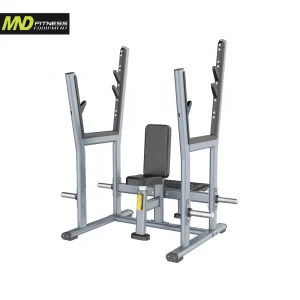
For home care beds, patient lifters, and physical therapy benches, we use high-strength alloys treated with multi-stage anti-corrosion coatings. This helps ensure structural stability, which is essential for patient safety during long-term rehabilitation.
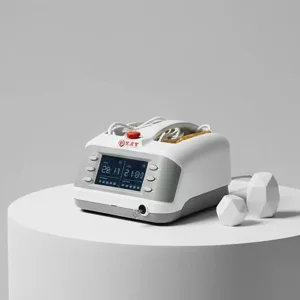
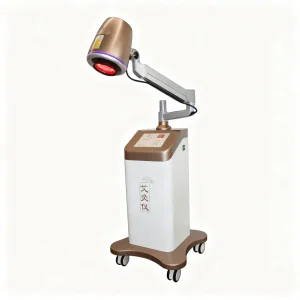
For electronic systems, such as phototherapy lights and digital moxibustion devices, internal power supplies must be built to handle voltage swings. Incorporating high-grade capacitors and overcurrent safety switches helps prevent damage from localized power drops or surges.
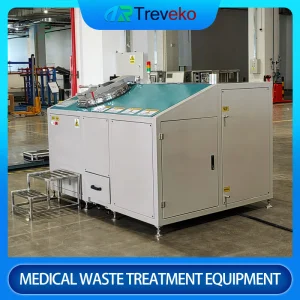
Managing medical waste at home is a growing concern for community healthcare groups in Lesotho. Remote areas often lack consistent clinical waste pick-up, creating health and safety risks.
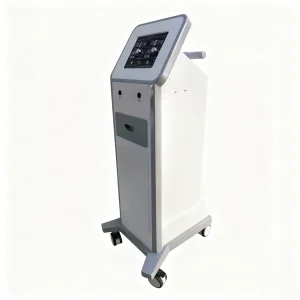
To address this, compact microwave sterilization systems offer a reliable solution. By sterilizing syringe casings, bandages, and clinical pads right at the point of care, these units convert biohazard waste into municipal-safe municipal refuse. This reduces the burden on local logistics and helps protect public health in rural communities.
Everything you need to know about purchasing, shipping, and maintaining our home healthcare equipment in Lesotho.
Get in touch with our team for bulk pricing, customized product adjustments, and detailed logistics plans to Southern Africa.
 Tucson Medical