Engineered for immediate clinical deployment, targeting radiation oncology, patient thermal management, regional climate control, and heavy-duty facility heating.
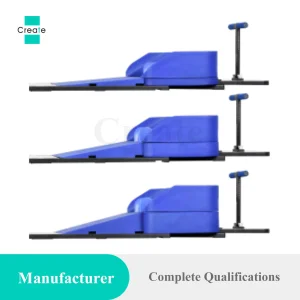
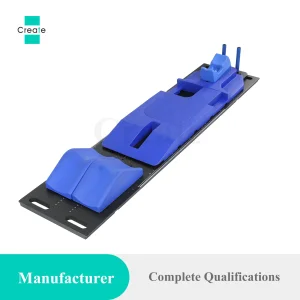
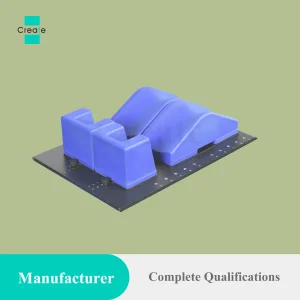
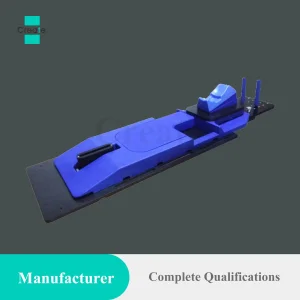
Vanuatu Medical Oncology Grade: High-precision carbon fiber supine positioning baseplate for breast radiotherapy.
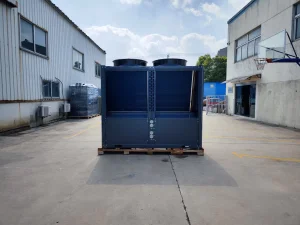
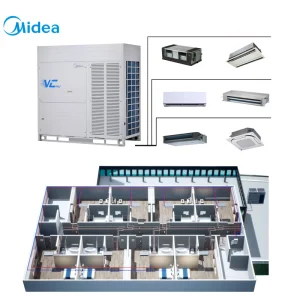
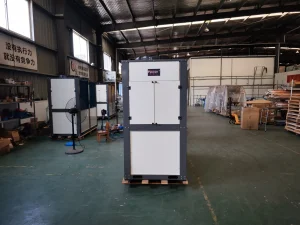
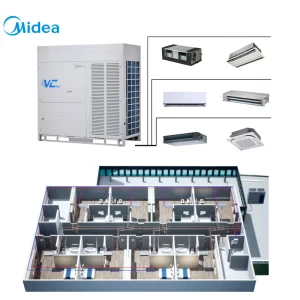
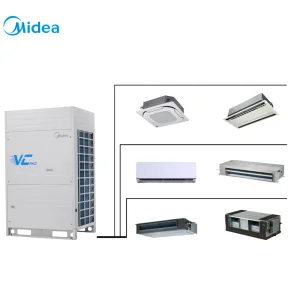
Tropical HVAC Solutions: 12HP dust-clean cooling only VRF central air system optimized for coastal salinity and high dust environments.
Sustainable Energy Option: Flat-plate solar combined heat pump supplying constant, hygienic hot water for clinical settings in Port Vila.
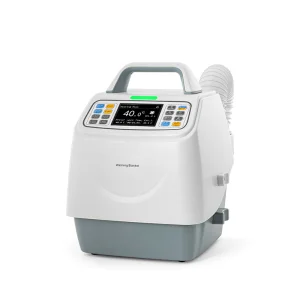
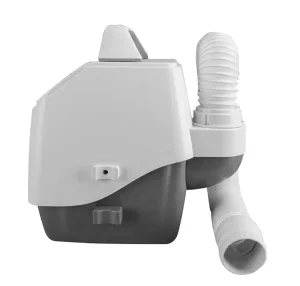
Perioperative Patient Warming: High-reliability Class II clinical warming system to prevent hypothermia during surgical procedures.
Vanuatu, an archipelagic nation of over 80 islands in the South Pacific, faces distinct structural and environmental challenges regarding medical device deployment. The healthcare network—anchored by key referral institutions such as the Vila Central Hospital in Efate and the Northern Provincial Hospital in Luganville—requires comfort support systems and mechanical infrastructure capable of sustained operations under demanding localized constraints.
As a leading supplier and exporter of medical devices, Tucson Medical aligns its product development directly with these island-specific parameters. By applying advanced manufacturing technologies—including precise robotic welding and laser cutting—we construct hospital beds, positioning baseplates, and mechanical frameworks that remain structurally inert in high-salinity zones, safeguarding both patient comfort and long-term capital investments.
Modern clinical efficacy relies on minimizing spatial variability and environmental fluctuation during patient care cycles. Within radiation oncology, patient immobilization is critical to target accuracy and organ-at-risk (OAR) sparing. Our supine and prone carbon fiber positioning systems are engineered for structural radiolucency, ensuring minimal photon attenuation and optimal mechanical lock-in on CT simulator and linear accelerator (LINAC) couches.
The Supine and Prone Breast Positioning Systems utilize high-modulus carbon fiber architectures. Carbon fiber provides an exceptional strength-to-weight ratio, allowing the baseplates to support patients stably without introducing beam-hardening artifacts. This is particularly crucial for regional healthcare hubs looking to establish or upgrade oncology programs in Oceania, where diagnostic precision directly impacts overall survival rates.
Thermoregulation is another fundamental pillar of patient safety. Intraoperative hypothermia poses a constant risk during prolonged surgical interventions under general anesthesia, leading to coagulopathy, delayed wound healing, and increased cardiac stress. The Class II Warming System addresses this with dynamic convective air currents, maintaining target patient temperatures without causing cutaneous burns or disrupting laminar air flow in operating theaters.
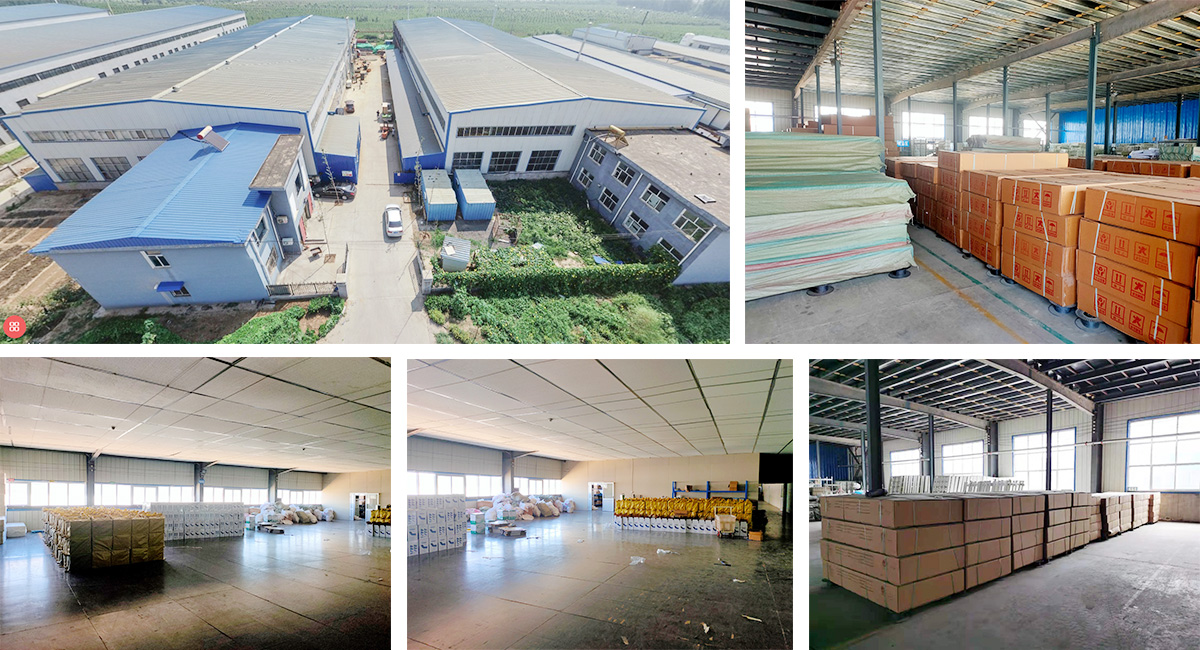
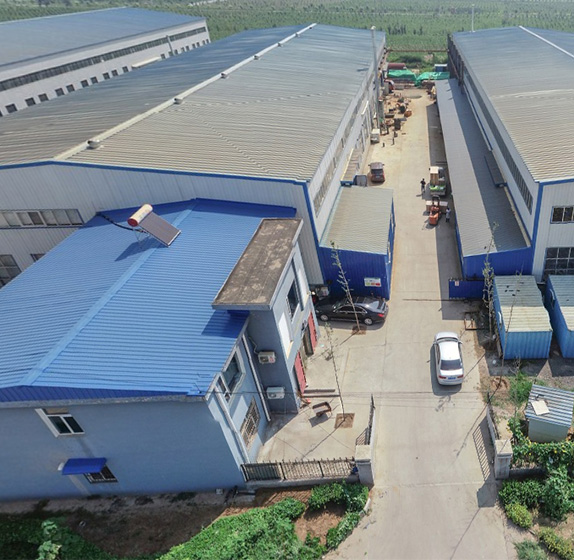
Tucson Medical's advanced manufacturing facility utilizing precision robotic welding for high-strength steel clinical furniture frames.
Beyond direct patient contact, the general ward and diagnostic suites must maintain constant temperature and humidity boundaries. High heat and moisture degrade sensitive electronics in MRI and CT rooms. Implementing industrial-grade HVAC technology, such as the Midea VRF Air Conditioning Systems with dust-clean functionality, provides high-efficiency sensible heat ratio (SHR) control while resisting salt-spray oxidation common in coastal Vanuatu towns.
At Tucson Medical, our dedication to patient safety and structural durability translates into rigorous manufacturing standards. We strictly control our raw materials and processing steps to produce hospital furniture, ICU beds, and positioning grids that meet rigorous clinical expectations.
Our Quality Management Systems (QMS) are audited under global medical standards, achieving ISO 9001:2015 and EN ISO 13485:2016 certifications. These credentials confirm that every comfort support system, mechanical chassis, and positioning baseplate exported to Vanuatu delivers dependable, long-term performance.
Robotic welding cell applying high-tolerance structural welds to support frames for ICU and clinical ward beds.
By establishing long-term partnerships with distributors and procurement teams across Oceania, we refine our designs based on actual clinical field data. This feedback loop ensures our systems perform reliably under regional usage patterns, allowing healthcare providers to maintain high standards of patient care.
Energy tariffs in the South Pacific are among the highest globally, making utility efficiency a critical concern for medical facilities. Upgrading clinical spaces in Vanuatu requires balancing patient thermal comfort, clean air exchange, and hot water supply with overall power draw.
Integrating Solar Combined Heat Pump Water Heating Systems reduces electrical demand in hospital laundries, surgical prep rooms, and patient wards. Using flat-plate solar collectors coupled with heat pump cycles allows these systems to harvest ambient thermal energy, generating sanitary hot water day and night. This configuration significantly reduces reliance on diesel generators, freeing up hospital budgets for other clinical needs.
Similarly, implementing smart VRF air conditioning systems provides precise cooling control in multi-zone clinical wings. By modulating refrigerant flow based on heat load demands, these systems prevent unnecessary power spikes while maintaining stable indoor climates. Dust-filtration features also help protect patient recovery areas from outdoor volcanic dust and marine salt spray.
Explore our full line of oncology positioning components, dynamic patient warming devices, smart climate control units, ergonomic workshop systems, and ward privacy curtains.
Oncology Comfort: Ergonomically optimized prone positioning structure reducing cardiac and lung dose during breast irradiation.
Large-Scale Cooling: 73kW smart capacity VRF/VRV central system engineered for general hospital wards and commercial spaces.
Clinical Safe-Zone: Patient convective warming system with comprehensive technical support and spare part packages.
Ergonomic Workspace: Heavy-duty double-column mechanics supporting laboratory technicians and manufacturing personnel.
Eco-Sanitation: Smart flat-plate solar heat pump configuration for high-efficiency clinical utility hot water.
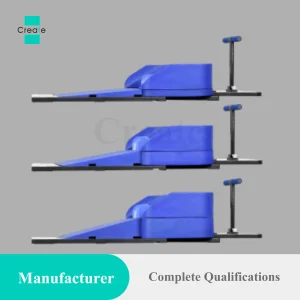
Precision Oncology: Low attenuation carbon fiber baseplate for lower limb stabilization in radiation therapy.
Acoustic Comfort: Low-noise 73kW VRF central HVAC unit, suitable for ICU and patient ward quiet zones.
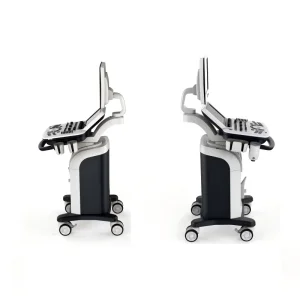
Diagnostic Support: High-resolution 4D color Doppler system for maternal health and general diagnostics.
Oncology Localization: High-precision supine immobilization systems for chest-wall clinical alignment.
Radiation Safety: Ergonomically balanced prone chest positioners for critical organ displacement.
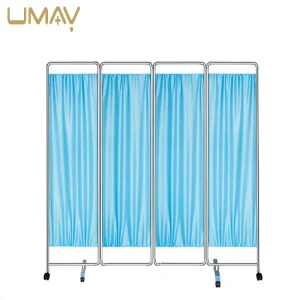
Infection Control: Flame-retardant, anti-microbial cubicle privacy curtains with integrated hook systems.
High-Efficiency HVAC: Meta-Technology 10-ton cooling multi-split DC inverter VRF system for remote clinics.
The next generation of clinical comfort systems must integrate smart diagnostics and eco-conscious engineering. As international regulatory bodies update energy and emissions standards, healthcare facilities in developing regions require future-ready infrastructure.
Tucson Medical is expanding its research into low-GWP (Global Warming Potential) refrigerants and integration with local solar microgrids. Our goal is to ensure that medical air systems, convective patient warmers, and diagnostic devices function efficiently, even in off-grid environments. By refining our manufacturing and structural designs, we help healthcare providers deliver reliable, long-term care throughout the South Pacific.
Find direct answers to common questions about installing, maintaining, and certifying clinical equipment in coastal environments.
Partner with a certified exporter to bring durable, reliable, and energy-efficient comfort support systems to your healthcare facility in Vanuatu.
Send Inquiry Now Tucson Medical