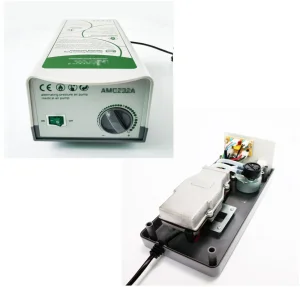
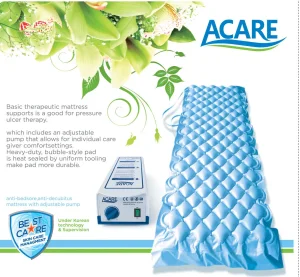
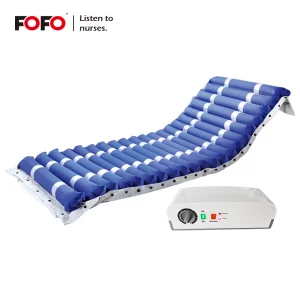
Engineered for ICU ward performance, optimized alternating pressure, and patient comfort in humid tropical climates.
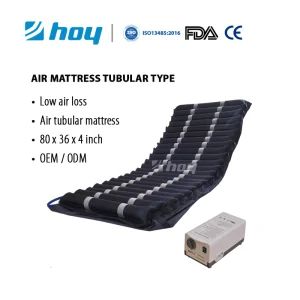
Pressure ulcers, commonly known as bedsores or decubitus ulcers, present a significant clinical challenge for healthcare facilities worldwide, particularly in critical care and long-term geriatric units. These localized injuries to the skin and underlying tissue are primarily caused by prolonged mechanical pressure, shear forces, and friction, which compromise capillary blood flow and lead to tissue ischemia. In Trinidad and Tobago, where demographic trends point to an aging population and a rising incidence of chronic lifestyle conditions such as diabetes and cardiovascular disease, the prevention of pressure injuries has become a key metric for healthcare quality assurance.
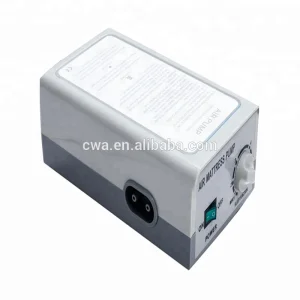
For patients with restricted mobility, standard static support surfaces fail to adequately distribute pressure. Professional anti-bedsore prevention systems address this through active alternating pressure therapy. By inflating and deflating individual air cells in a cyclic sequence, these systems shift the patient’s contact points continuously, ensuring no single anatomical region is subjected to persistent capillary closing pressures (typically exceeding 32 mmHg). This cycle promotes tissue perfusion and lymphatic drainage, preventing tissue breakdown at critical bony prominences such as the sacrum, heels, and scapulae.
A critical variable in pressure ulcer etiology is the skin microclimate—specifically, local temperature and moisture. In Trinidad and Tobago’s humid tropical maritime climate, perspiration-induced skin maceration represents a heightened risk factor. Moisture compromises the stratum corneum, rendering the skin highly susceptible to shear and friction forces. To combat this, advanced medical mattresses incorporate Low Air Loss (LAL) technology. These systems feature micro-perforations in the mattress cover that release a continuous, controlled flow of air beneath the patient, effectively carrying away moisture vapor and maintaining a dry, stable microclimate.
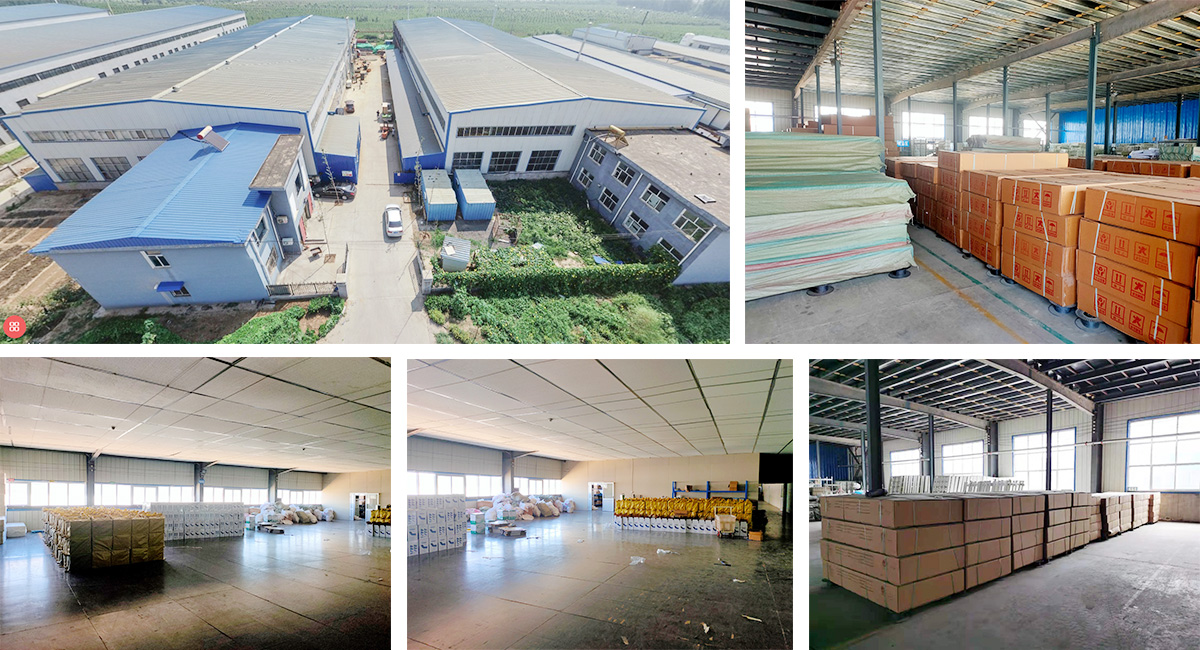
A frequent point of failure for imported medical equipment in the Caribbean region is mismatch in power grid compatibility. Trinidad and Tobago operates on a dual-voltage electrical supply system (typically 115V/60Hz and 230V/60Hz, using Type A, B, and G outlets). Many European-spec pumps (designed for 230V/50Hz) or Asian-spec standard configurations will operate inefficiently, overheat, or suffer premature compressor failure when connected to 60Hz grids without dedicated internal motor calibration.
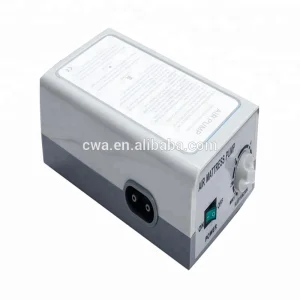
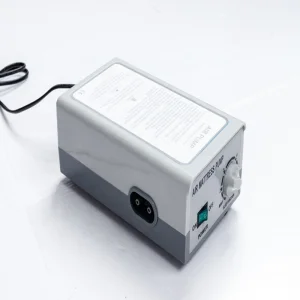
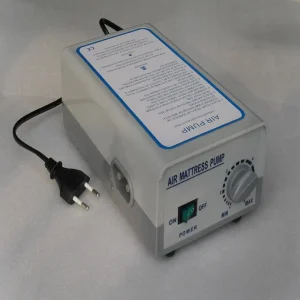
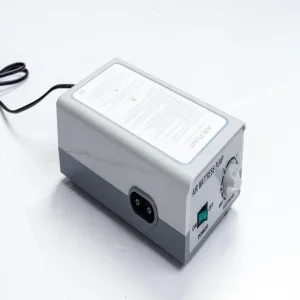
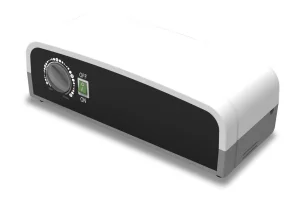
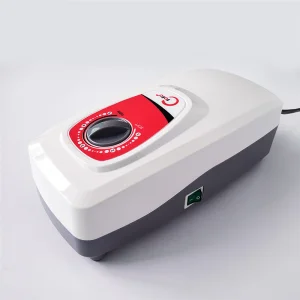
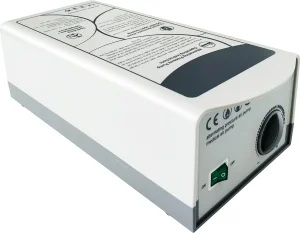
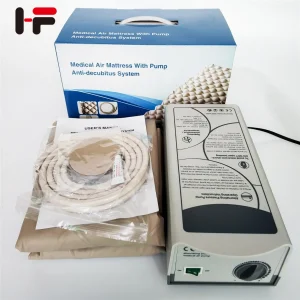
At Hangzhou Tucson Medical Co., Ltd., we customize our air compressors and digital pump control boards to match the electrical characteristics of the destination market. For the Trinidadian market, our systems are engineered to run on customized 115V/60Hz or 230V/60Hz configurations. This prevents internal magnetic core saturation, reduces operating temperatures, and ensures a decibel rating below 20dB—critical for maintaining a restful therapeutic environment in quiet hospital wards and home care settings.
In hot and humid climates, standard PVC-based air cells tend to lose elasticity, stiffen, and crack over time due to the migration of plasticizers. This degradation increases the risk of air leaks and cross-contamination. Hangzhou Tucson Medical manufactures its pressure ulcer prevention systems using advanced Thermoplastic Polyurethane (TPU) films laminated to high-density Nylon. TPU provides superior hydrolytic stability (resistance to degradation by water and humidity), high tensile strength, and excellent microbial resistance. Furthermore, the material is biocompatible, hypoallergenic, and can withstand strict clinical disinfection protocols utilizing chlorine-releasing agents or hydrogen peroxide vapor.
High-durability compressors and replacement options designed for long-term patient support.
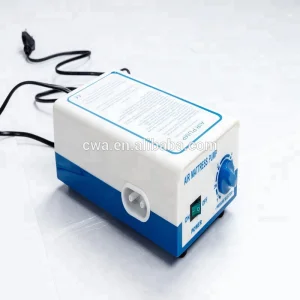
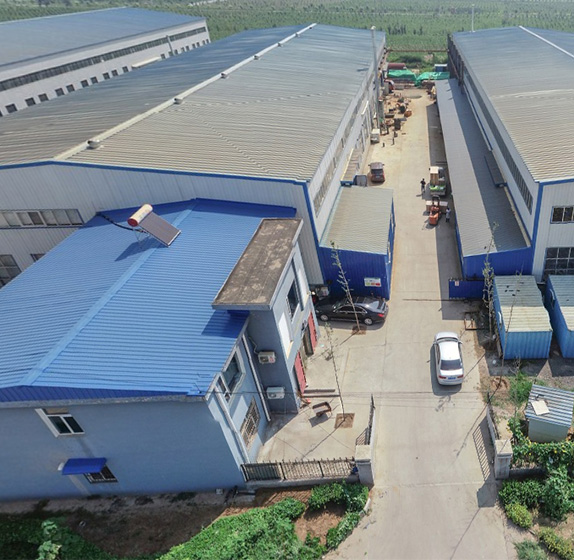
As a leading global manufacturer of hospital beds, home care mattresses, and medical furniture, Hangzhou Tucson Medical Co., Ltd. operates on a foundation of absolute reliability. We recognize that medical devices imported to Trinidad and Tobago, whether destined for public facilities under the regional health authorities (such as NWRHA or ERHA) or private surgical centers in Port of Spain, must meet international regulatory frameworks.
Our quality assurance workflow spans three core phases:
Our facility holds both ISO 9001:2015 and EN ISO 13485:2016 medical manufacturing certifications. We supply full documentation packs, including sterilization records, material certificates, and certificate of origin documents to streamline import clearance at Trinidadian ports such as Point Lisas or the Port of Port of Spain.
The traditional approach to pressure care relied on manual weight settings. A nurse would enter the patient's approximate weight, and the pump would scale the pressure. However, errors in setting the weight could lead to "bottoming out" (the patient touching the base bed frame through the deflated air cell) or hyper-inflation (which creates an excessively firm surface, exacerbating tissue stress).
Our R&D roadmap focuses on integrating intelligent feedback mechanisms. Our Digital Auto-Weight Control systems use embedded pressure sensors inside the air cells to continuously measure real-time patient immersion. The compressor dynamically adjusts the internal cell pressures, adapting instantly to changes in patient positioning, head-of-bed elevation, and patient shift. This closed-loop system mitigates the risk of human error and ensures optimal pressure redistribution across all patient profiles.
In addition, we are designing smart IoT connectivity modules. These allow remote monitoring of patient compliance, pressure cycle history, and system alarms. Centralized nurses' stations can monitor the operational status of all active support surfaces within an ICU ward, optimizing workflows and improving preventative care metrics.
Select from our range of ripple pads, digital control pumps, and heavy-duty hospital-grade anti-decubitus mattresses.
Clinical, engineering, and logistics answers for hospital buyers in Trinidad and Tobago.
Partner directly with a certified global manufacturer. Request full product catalogs and custom voltage pricing sheets today.
 Tucson Medical