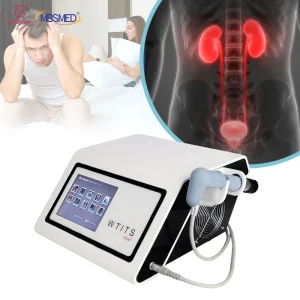
Explore our cutting-edge clinical systems engineered to optimize patient comfort, recovery safety, and ward efficiency.
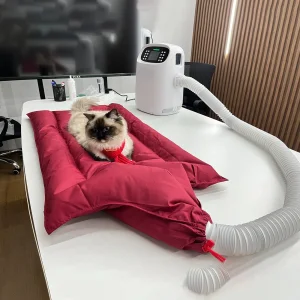
The global healthcare landscape is experiencing an unprecedented demographic transition. The World Health Organization (WHO) projects that by 2030, 1 in 6 people worldwide will be aged 60 years or older. This demographic shift is catalyzing a macro-level transformation in hospital administration, home healthcare frameworks, and specialized nursing care models. Modern clinical facilities are migrating away from legacy, reactive care models towards proactive, rehabilitative, and automated ecosystems. Long-term care solutions are no longer defined simply by basic clinical furniture; they represent integrated clinical strategies combining structural engineering, smart ergonomics, IoT monitoring, and thermoregulatory stability.
Global procurement teams are shifting search patterns from generic terms like "medical beds" to high-intent queries focused on functional integration, such as "decubitus prevention low-loss air mattresses" and "ISO 13485 certified electric home care beds." Systemic integration, certified patient outcomes, and structural durability are key to successfully aligning with global procurement frameworks.
For healthcare institutions and global medical distributors, sourcing hardware that complies with stringent regulatory frameworks (such as EN ISO 13485:2016) while remaining cost-efficient is a crucial competitive challenge. A sustainable solution requires deep collaborative partnerships with certified original equipment manufacturers (OEMs) who control the complete pipeline from raw material processing to robotic structural welding, surface finishing, and electrical functional testing.
Established as a premier force in medical hardware fabrication, Hangzhou Tucson Medical Co., Ltd. specializes in the development and large-scale manufacturing of hospital beds, home care beds, therapeutic air mattresses, hospital furniture, and allied clinical rehabilitation equipment. Guided by a core mission to enhance patient outcomes and improve the quality of life for the elderly, Tucson Medical has engineered a vertically integrated manufacturing system where strict quality control governs every phase of production.
1. Raw Material Sizing: Micro-metric precision laser cutting shapes cold-rolled steel profiles, establishing foundational load integrity.
2. Precision Robot Welding: Automated robotic welding stations guarantee ultra-durable joints free from structural micro-fissures.
3. Advanced Spray Coating: Strict temperature-controlled surface preparation and antibacterial powder coating prevent corrosion.
4. Multi-Phase Functional Testing: Extensive stress-testing of electrical actuators, structural load limits, and air flow metrics ensures compliance with EN ISO 13485:2016.
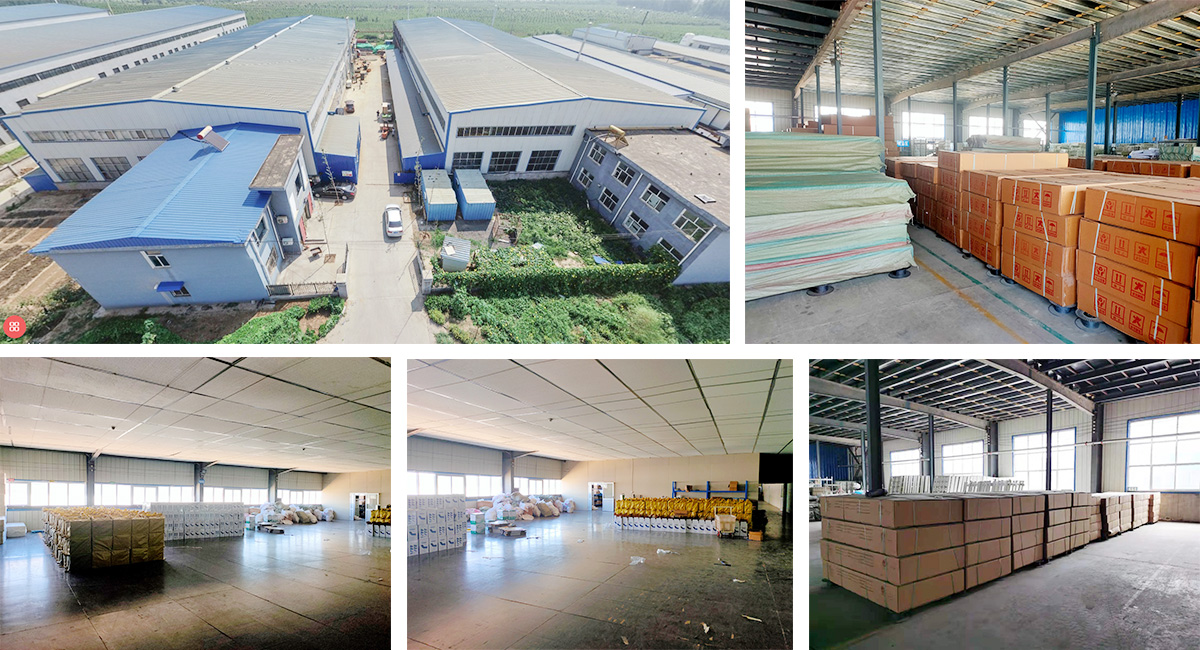
China's advanced medical manufacturing sectors offer distinct industrial capabilities that provide global procurement programs with significant technical and logistical advantages.
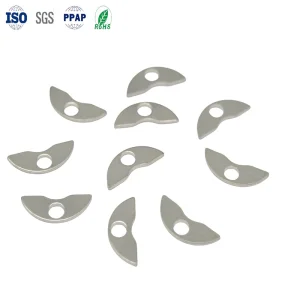
By leveraging high-speed robotic welding systems and laser tube-cutting equipment, Chinese factories minimize human-error variances. This achieves high structural integrity and dimensional consistency across bulk shipments of medical beds and custom-fabricated hospital furniture.
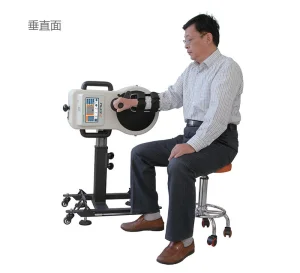
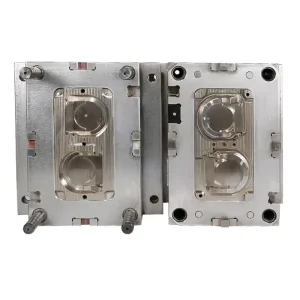
Tucson Medical maintains end-to-end control over fabrication pipelines—from processing premium cold-rolled steel and custom injection molding for fitness/rehabilitation shells to automated electronics integration. This structure reduces lead times and secures price stability.
Tucson Medical aligns its manufacturing with global regulatory standards, including ISO 9001:2015 and EN ISO 13485:2016. Every batch undergoes rigorous quality control, providing distributors in Europe, the Americas, and APAC with compliant, audit-ready products.
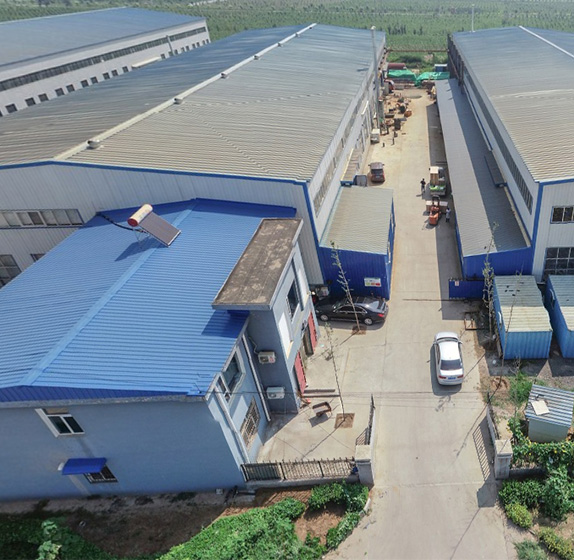
Navigating the complex landscape of B2B clinical sourcing requires understanding the major technological trends shaping long-term care equipment today:
Integrating healthcare hardware into real-world care settings requires dedicated systems configuration:
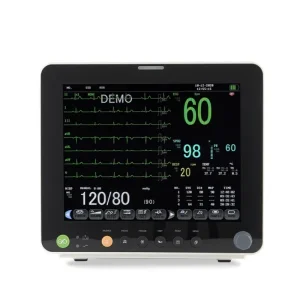
Configuration: Multi-parameter portable monitoring systems, gas bed head panels, and active air-warming blankets.
Impact: Stabilizes patient vitals, maintains safe body temperatures during recovery, and ensures critical access to medical oxygen and gases.
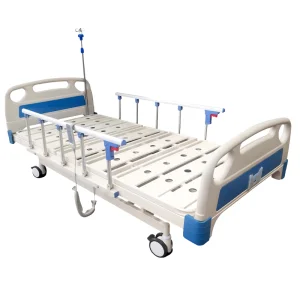
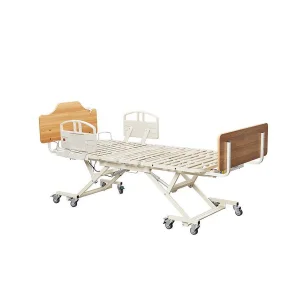
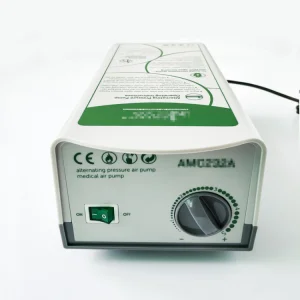
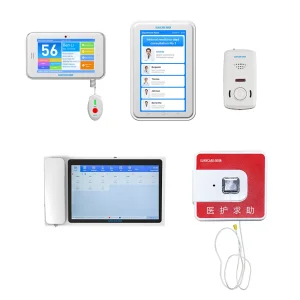
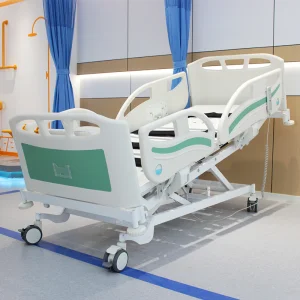
Configuration: Multi-functional electric standing beds, anti-decubitus alternating air mattresses, and smart nurse call panels.
Impact: Reduces physical strain on nursing staff, simplifies daily patient rotation, and keeps elderly residents safe and comfortable.
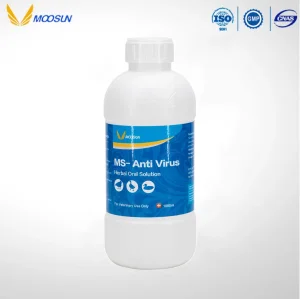
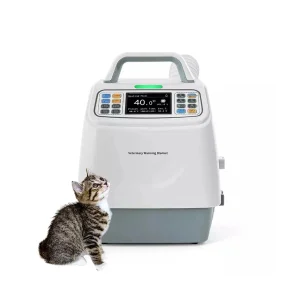
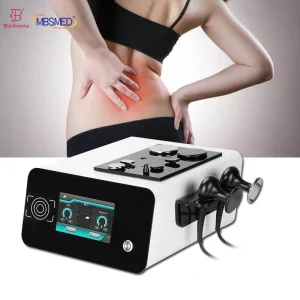
Configuration: Veterinary-grade constant temperature heating units and specialized anti-viral herbal solutions.
Impact: Provides precise, safe temperature regulation for post-operative recovery, supporting improved therapeutic outcomes for animal care.
Sourcing medical devices globally requires navigating strict regulatory standards. Distributors must verify that products comply with local healthcare directives. Key certifications include ISO 9001:2015 for quality management and EN ISO 13485:2016 for medical device design and manufacturing.
In addition to regulatory documentation, structural and physical testing are critical. Long-term care beds must undergo structural load limit testing to ensure they can withstand patient weights. The materials must feature antimicrobial and flame-retardant surface coatings to prevent hospital-acquired infections (HAIs) and meet fire safety standards. Electromagnetic compatibility (EMC) testing is also necessary for motor actuators to prevent interference with vital ward electronics.
Tucson Medical provides comprehensive global logistics support, including custom packaging, drop-testing, and compliance documentation. This ensures that every shipment arrives intact and meets all regional import requirements.
Expert technical and logistical insights addressing key questions from global healthcare distributors and procurement teams.
Browse our selection of specialized ward furniture, recovery devices, and mobility therapy systems.
 Tucson Medical