In the high-stakes ecosystem of modern clinical care, patient safety and the prevention of accidental injury are paramount. Restraint systems have evolved far beyond mere confinement; they are now engineered as therapeutic interventions aimed at preserving patient dignity, preventing falls, ensuring post-surgical site integrity, and protecting nursing staff. As a leading
This document serves as an industry whitepaper examining the structural innovations, manufacturing capabilities, and global clinical standards driving modern patient physical containment systems. By exploring material advancements, ergonomic structures, and digital calling integration, healthcare procurers and medical distributors can identify the key metrics necessary to secure high-tier, risk-free solutions.
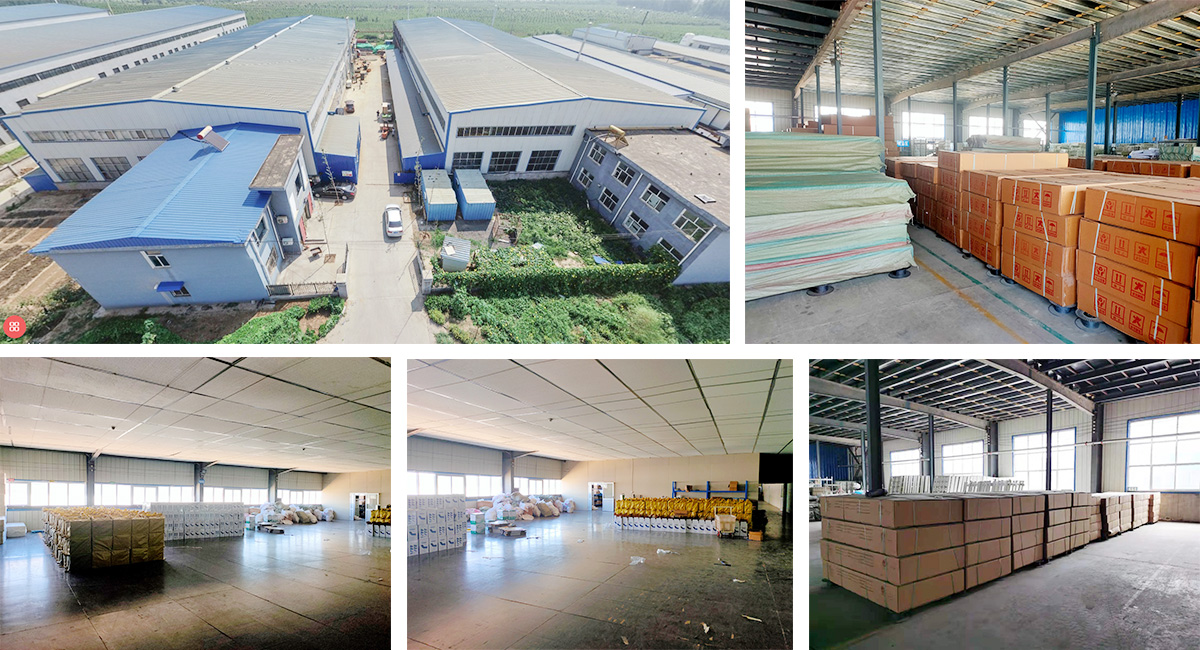
Hangzhou Tucson Medical Co., Ltd. is a prominent manufacturer specializing in the research, development, and mass production of hospital beds, home care beds, alternating pressure air mattresses, medical positioning platforms, and related clinical support equipment. Guided by our foundational ethos—enhancing the quality of life, comfort, and psychological happiness of patients and geriatric populations—we enforce strict quality parameters across every production cycle.
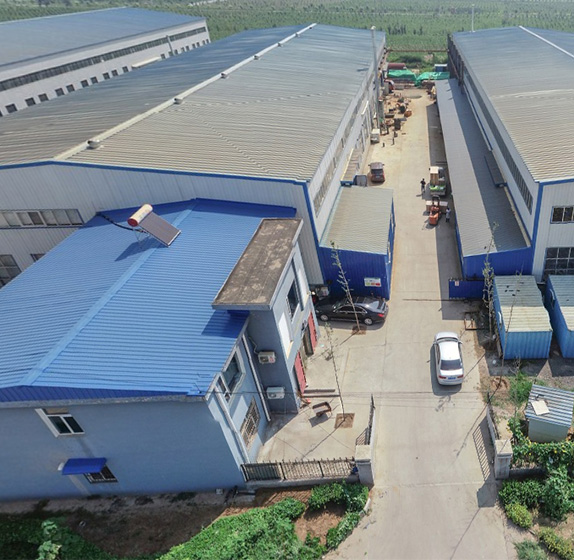
Our state-of-the-art production complex incorporates
Furthermore, our quality control framework is divided into two distinct checkpoints:
Modern clinical settings are moving towards a philosophy of "least restrictive containment," which influences how suppliers design patient restraint belts, limbs straps, and positioning vests. When selecting a partner from China, procurement departments analyze several key technological and regulatory movements:
Traditional heavy canvas restraints are being replaced by multi-layered polyester webbing and polyurethane-coated padding. These materials prevent skin abrasion and minimize shear forces during sudden patient movement. The fabric must be biocompatible, moisture-resistant, and capable of enduring high-temperature sterilization.
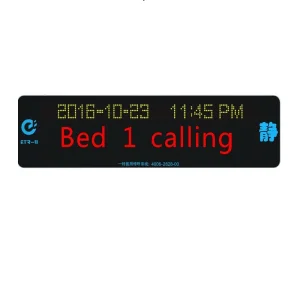
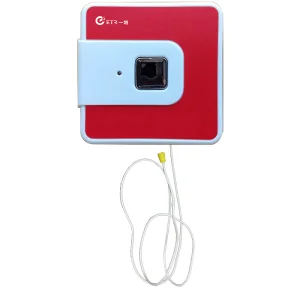
Advanced restraint setups are designed to interface directly with PC-based nurse call systems. If a high-risk patient attempts to unbuckle their safety vest or exits a bed pressure zone, the system alerts the central nursing station immediately, minimizing physical intervention response times.
Magnetic lock keys provide security against patient tampering while allowing rapid detachment by authorized clinical staff in emergency situations. The quick-lock design reduces the cognitive and mechanical load on nursing teams, ensuring fast release during resuscitation procedures.
Regulatory hurdles present major obstacles for international buyers sourcing medical equipment. Hangzhou Tucson Medical removes these compliance bottlenecks through rigorous adherence to internationally recognized standard structures. Our production procedures and facilities comply with the following credentials:
This compliance framework enables Tucson Medical to export to markets in
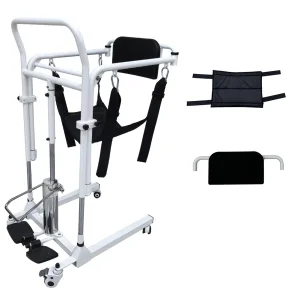
Restraint systems do not function in isolation. To minimize clinical risk, they must integrate with specialized furniture and patient handling systems. Hangzhou Tucson Medical offers unified ecosystems that cover multiple clinical scenarios:
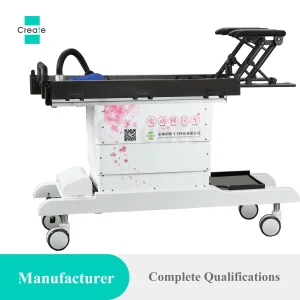
During advanced targeted cancer therapies, millimeter precision is required. Our Brachytherapy Positioning Transfer Bed integrates positioning systems, enabling gentle patient mobilization and secure containment to ensure treatment accuracy.
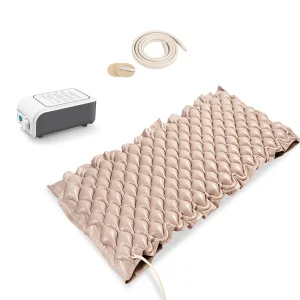
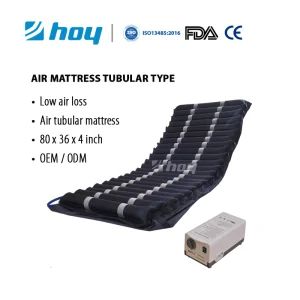
Immobilized or restrained patients are highly vulnerable to bedsores. Combining our high-durability restraints with our Alternating Pressure Bubble Beds & Low Air Loss Mattress Systems helps distribute pressure points and manage skin moisture levels.
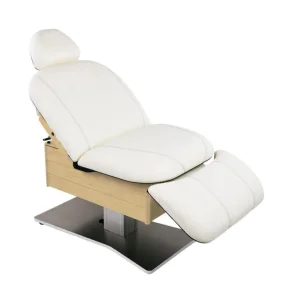
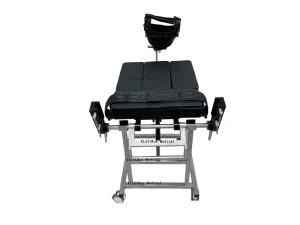
For specialized orthopedic procedures like shoulder arthroscopy, our Shoulder Arthroscopy Beach Chair system coordinates with safe restraints to secure the patient in stable physiological angles.
International medical distributors and hospital procurers operate under strict budgeting, compliance, and custom configuration demands. Partnering with a specialized factory like Hangzhou Tucson Medical addresses these needs:
Different clinical environments demand distinct specifications. For example, behavioral health facilities require heavy-duty reinforced seams and lock systems, while rehabilitation centers focus on softer padded restraints. We provide custom services, adjusting length, strap placement, and material coatings to fit local bed systems and clinical preferences.
By manufacturing in Hangzhou, China, we leverage established raw material networks and advanced automation. This approach helps control production costs without compromising structural safety, providing competitive pricing margins for our distributors.
We back all products with comprehensive warranty frameworks and responsive customer service. If issues arise during installation or clinical application, our technical support team provides troubleshooting solutions to keep hospital operations running smoothly.
Expert insights on selecting, importing, and implementing medical-grade patient restraint systems and clinical furniture solutions.
 Tucson Medical