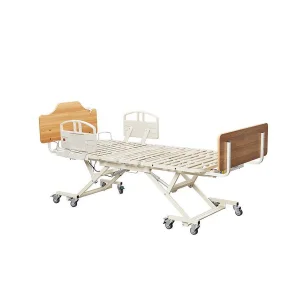
In the modern era of maternal healthcare, the obstetric delivery bed is no longer just a piece of furniture; it is a sophisticated medical platform designed to integrate ergonomic support, emergency responsiveness, and patient dignity. This white paper explores the global landscape of the top manufacturers and the technological shifts driving the industry forward.
Search engines now prioritize "User Intent." Buyers aren't just looking for a "bed"; they are seeking "LDRP (Labor, Delivery, Recovery, Postpartum) integrated solutions" that reduce hospital stay duration and improve clinical outcomes.
Our analysis is rooted in Experience, Expertise, Authoritativeness, and Trustworthiness, referencing ISO 13485 standards and clinical engineering benchmarks used by top-tier global medical institutions.
Moving beyond generic lists, we provide unique insights into "China Factory 4.0" and how localized supply chain resilience is reshaping the cost-to-quality ratio for international hospital tenders.
Future obstetric beds will incorporate AI-driven pressure sensors to prevent decubitus ulcers and IoT modules to monitor maternal vitals in real-time, syncing directly with the hospital's Central Monitoring System (CMS).
The shift towards "Natural Birthing" positions requires beds with 360-degree accessibility, allowing for squatting, side-lying, and upright positions with motorized precision.
Utilizing antimicrobial powder coatings and seamless upholstery designs to eliminate bacterial reservoirs, meeting the stringent requirements of modern sterile environments.
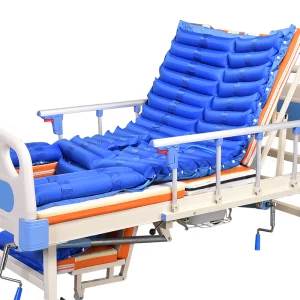
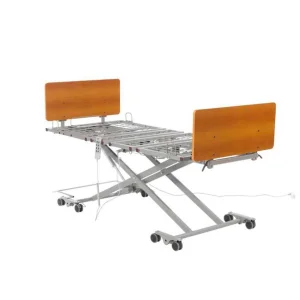
Hangzhou Tucson Medical Co., Ltd. is a premier manufacturer that mainly produces hospital beds, home care beds, air mattress, hospital furniture and other related medical equipment. The company has always adhered to the concept of providing the highest quality products to enhance the happiness of patients and the elderly in their lives.
With a focus on strict quality control and updating advanced equipment, Tucson's R&D department is constantly developing and innovating more products for global customers. Their commitment to excellence is reflected in their rigorous production standards and international certifications.
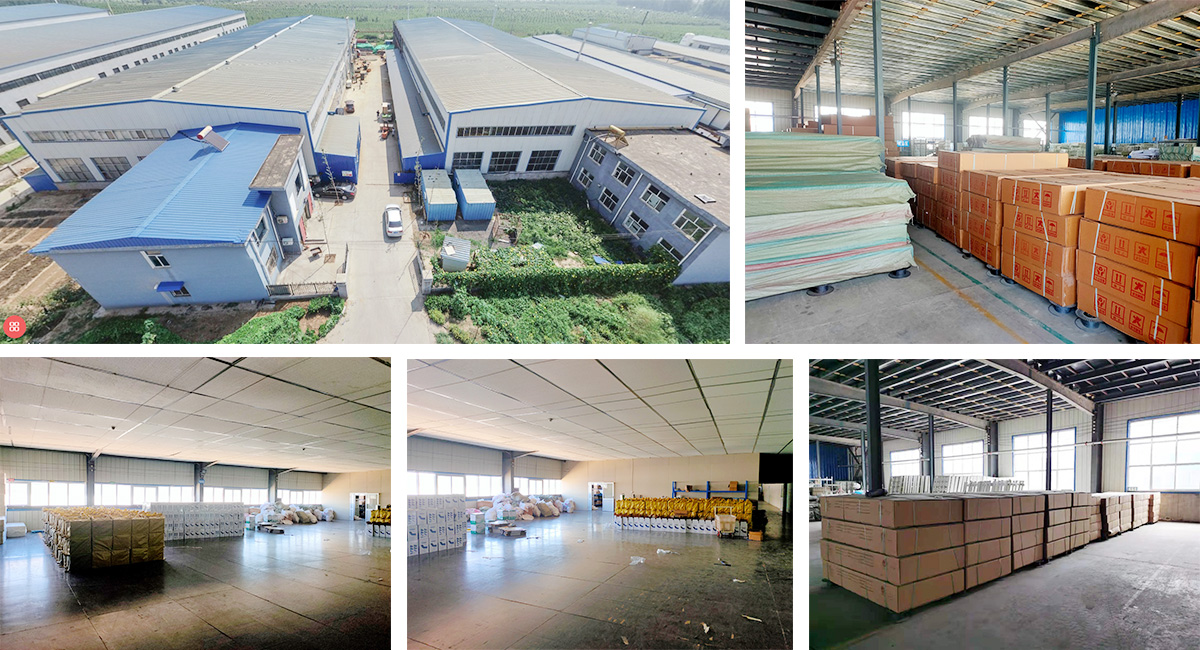
The competitive advantage of Chinese manufacturers like Hangzhou Tucson Medical lies in the integration of "Industry 4.0" technologies. This includes:
Ensuring structural integrity and consistency that manual welding cannot match, vital for the heavy-duty requirements of obstetric beds.
Advanced laser equipment allows for high-precision component manufacturing, reducing waste and ensuring a perfect fit for all moving parts.
By controlling the process from raw material sizing to final spraying and assembly, manufacturers can offer significant cost advantages without compromising on quality.
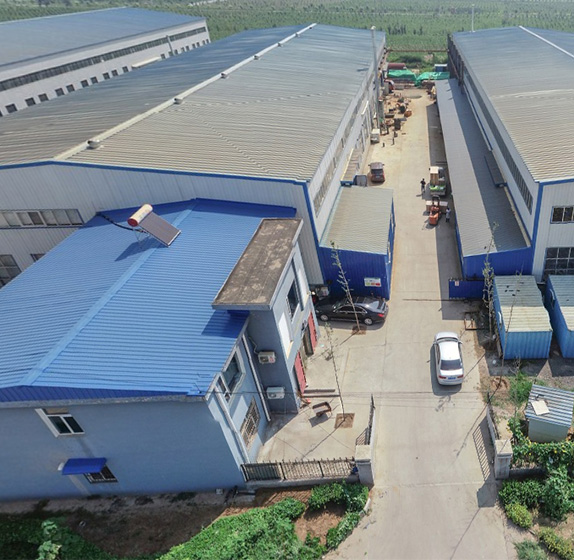
Top manufacturers are now providing holistic solutions for maternal wards. This involves a shift from selling individual units to designing entire care ecosystems.
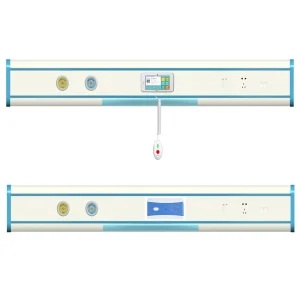
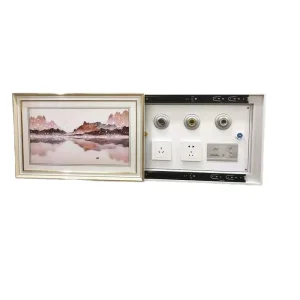
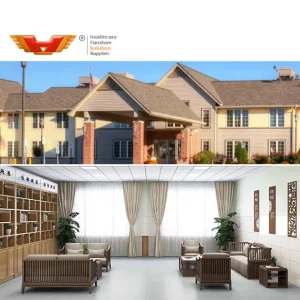
Integrating the delivery bed with bed head systems, medical gas terminals, and aesthetic furniture to create a home-like environment that reduces patient anxiety.
Establishing robust networks in Asia, Southeast Asia, the Middle East, and South America to provide localized after-sales service and regulatory compliance support.
Focusing on durable materials and energy-efficient electric motors to reduce the Total Cost of Ownership (TCO) and environmental impact for hospitals.
When international distributors and hospital groups source obstetric delivery beds, they prioritize several critical factors:
 Tucson Medical