Select medical devices, supportive surfaces, and ergonomic equipment optimized for international healthcare facilities, critical wards, and physical therapy centers.

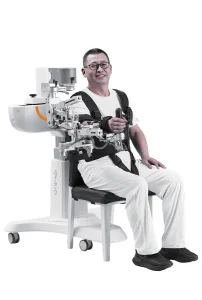
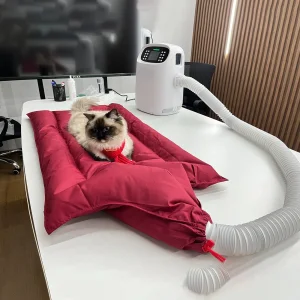

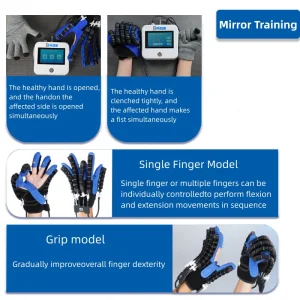

The global healthcare sector is experiencing a structural paradigm shift towards preventative rehabilitation and post-operative therapeutic support. Within clinical environments, the demand for certified medical-grade pillows has escalated from general patient comfort accessories to critical clinical instruments designed to support recovery, prevent pressure injuries, and ensure correct physiological alignment.
As healthcare facilities transition towards home-based recovery models and specialized senior care networks expand globally, B2B procurement strategies are increasingly focusing on the quality, safety, and mechanical consistency of supportive materials. The convergence of ergonomics, infection control, and mechanical stability dictates that standard domestic-grade pillows are insufficient for clinical settings, highlighting the need for specialized suppliers like Hangzhou Tucson Medical Co., Ltd. who manufacture products under rigorous quality management structures.
Industrial medical distributors, institutional purchasing agents, and hospital managers prioritize compliance metrics, batch uniformity, and material traceability. Medical-grade pillows must feature high-density polyurethane viscoelastic foam or engineered medical gels that maintain their supportive properties under repeated compression cycles. Furthermore, these products must adhere to stringent international flame-retardant standards (such as CA117 or BS5852) and comply with antibacterial, hypoallergenic, and skin-neutral requirements to prevent cross-contamination in high-turnover patient zones.
Proper management of patient posture is essential to prevent secondary complications in bedridden, post-surgical, or rehabilitating individuals. A medically engineered pillow must be designed to maintain the natural cervical lordosis curve (C1 through C7 vertebrae) in both supine and lateral sleep positions.
Inadequate cervical support can result in persistent mechanical stress, restricted vascular circulation, and potential compression of the cervical nerve roots. In clinical settings, optimizing pressure distribution—measured in mmHg—is critical for preventing occipital bedsores and reducing muscle fatigue. A true medical-grade pillow is designed to distribute surface interface pressure evenly, avoiding localized pressure peaks exceeding 32 mmHg, which is the clinical threshold for capillary occlusion.
To meet these requirements, manufacturers must utilize advanced material formulations:
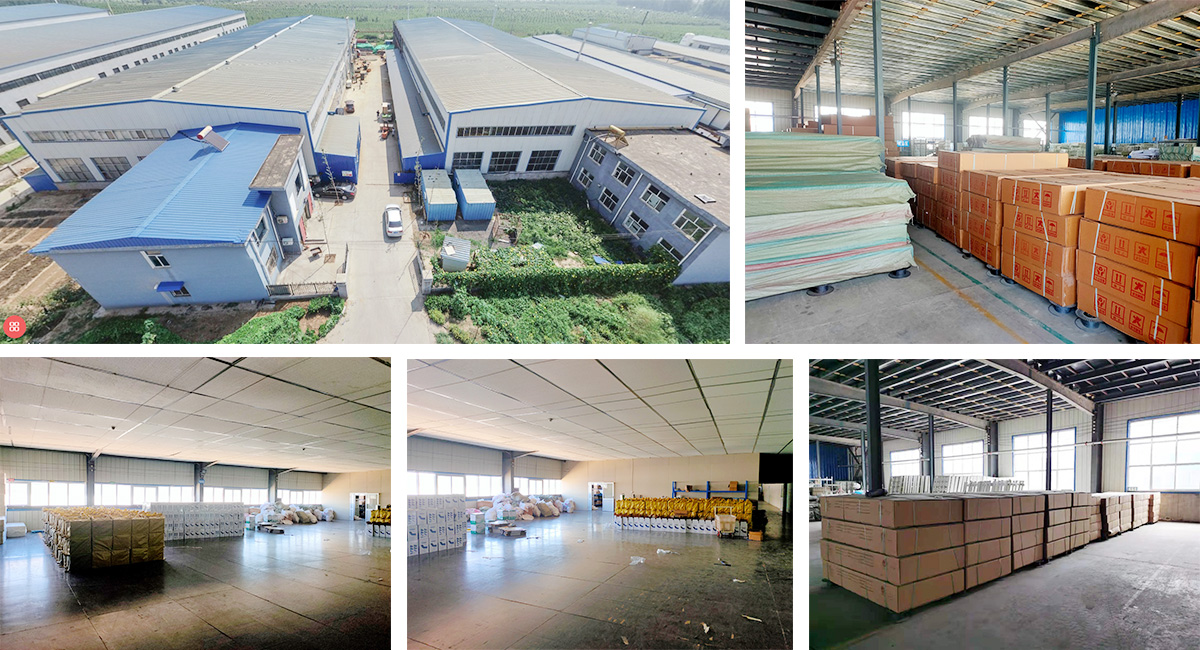
As global supply chains navigate changing economic conditions, Hangzhou Tucson Medical Co., Ltd. utilizes modern manufacturing methods to maintain product quality, cost efficiency, and supply chain reliability. Our production processes integrate advanced automated technologies to ensure high-precision output across all product runs.
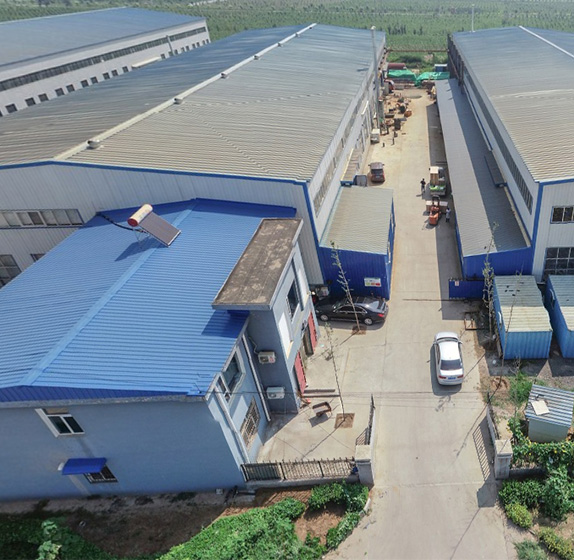
We utilize advanced laser cutting machinery and robotic welding systems to ensure precise structural dimensions, reliable structural welds, and uniform frame strength across our medical equipment lines.
Our quality management involves strict inspection of incoming raw materials, structural checks during production, precision control of spray coatings, and detailed post-production testing of all functional components.
Located in the manufacturing hub of Hangzhou, we leverage local component supply networks, optimized packaging, and professional logistics management to maintain consistent production lead times for global orders.
Our commitment to clinical safety and manufacturing quality is supported by our certified management systems. Our factory operates in compliance with ISO 9001:2015 for general quality management and EN ISO 13485:2016 for medical device manufacturing. These certifications verify that our engineering, production, testing, and documentation procedures meet the safety and performance standards required by international medical regulatory bodies.
Medical equipment procurement requirements vary across global markets based on regional regulatory structures, healthcare demographics, and facility operating models. Understanding these specific application scenarios ensures that sourced products align with localized clinical needs.
In markets like North America and Europe, which are managing aging demographics, long-term care facilities require supportive products designed to mitigate the risks associated with immobility. Medical-grade pillows and pressure-redistribution mattresses help reduce shear and friction forces, supporting patient positioning protocols to prevent pressure ulcers.
In acute care settings, stabilizing the head, neck, and upper spine is critical following orthopedic surgeries. Specialized foam contours help maintain correct positioning, reduce tension on surgical incisions, and support patient stability during recovery.
With healthcare systems moving toward shorter hospital stays, patients often complete their recovery at home. Providing home care equipment that offers similar functional benefits to clinical-grade items helps maintain care quality, comfort, and safety outside of traditional hospital settings.
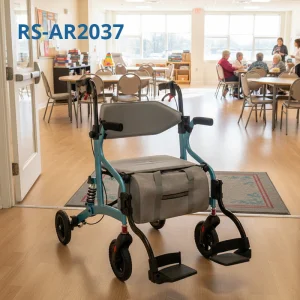
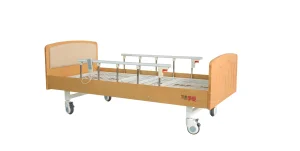
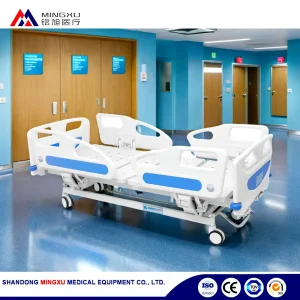
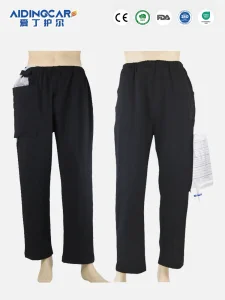
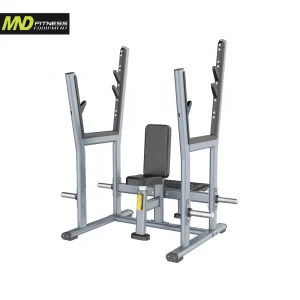
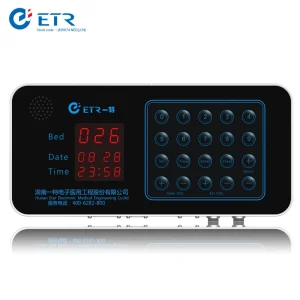
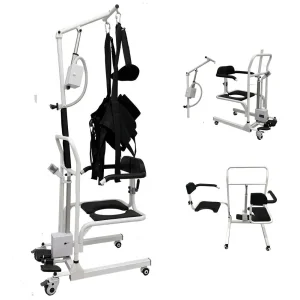
Explore our range of patient mobility devices, specialized clinical furniture, and monitoring solutions designed to meet the demands of modern medical facilities.

 Tucson Medical