Explore our integrated systems designed for patient safety, rehabilitation, and critical clinical intervention.
An expert analysis of active risk mitigation, structural bed ergonomics, and intelligent patient tracking ecosystems.
In modern clinical and long-term care environments, patient falls represent one of the most critical challenges to patient safety, health outcomes, and healthcare economics. Globally, healthcare providers are shifting from reactive fall management to proactive, multi-modal fall prevention systems. Achieving zero-fall protocols requires more than isolated devices; it calls for a coordinated ecosystem of smart furniture, active pressure monitoring, fast signal transmission, and structural containment.
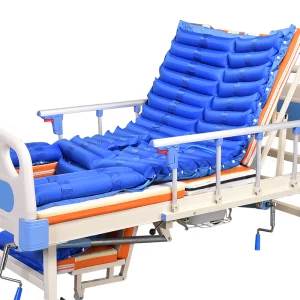
As a leading OEM/ODM Fall Prevention System Supplier, Hangzhou Tucson Medical Co., Ltd. is positioned at the intersection of mechanical excellence and electronic patient monitoring. We specialize in producing hospital beds, home care beds, air mattresses, hospital furniture, and other related medical equipment designed to protect vulnerable patients. By combining precision steel engineering with advanced sensing technologies, our products act as structural and digital pillars in institutional and residential fall-prevention frameworks.
For global distributors and institutional purchasers, selecting an OEM/ODM partner requires evaluating manufacturing quality, material durability, and regulatory compliance. Our production processes focus on structural integrity—such as robot-welded bed frames, double-insulated electrical components, and heavy-duty side-rail configurations—to ensure that our systems prevent accidents rather than compound risks.
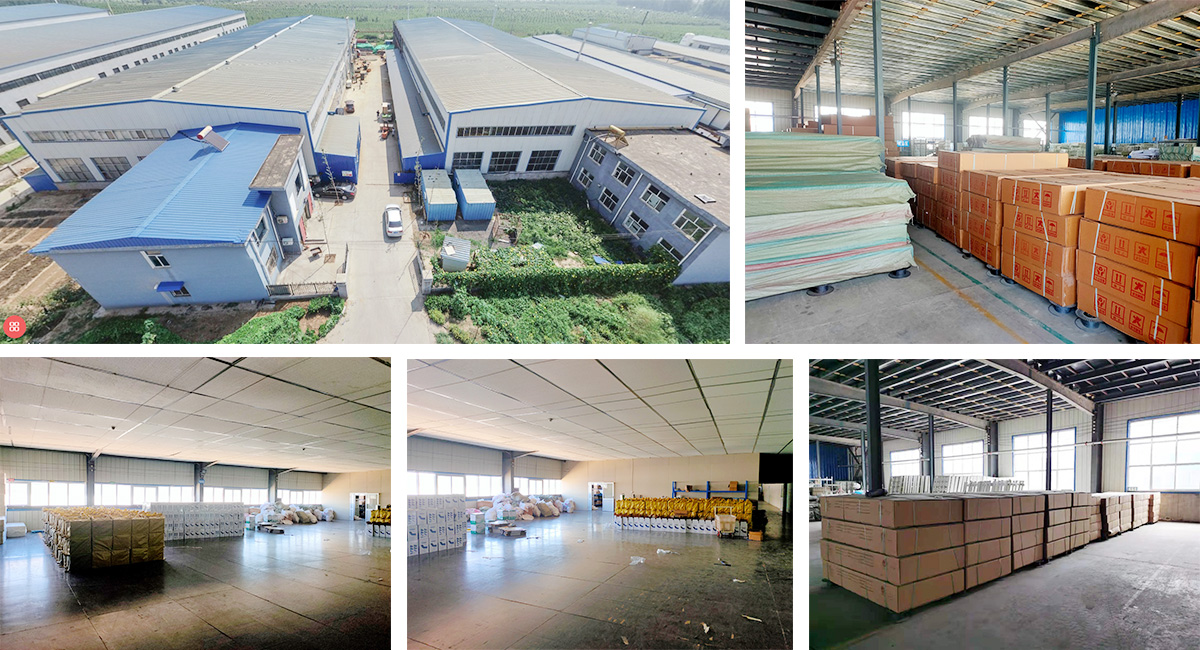
At Hangzhou Tucson Medical Co., Ltd., we control quality strictly at every stage of the manufacturing process to deliver reliable equipment for critical environments. Our quality protocol is divided into two primary phases:
We utilize advanced laser cutting equipment and robot welding processes to achieve structural consistency across all batches. Our products meet international medical device standards, backed by ISO 9001:2015 and EN ISO 13485:2016 quality management system certifications.
Tailoring fall prevention ecosystems to diverse clinical, rehabilitation, and long-term care environments.
Designed for high-acuity wards, combining integrated side-rail sensors with rapid nurse call system communication to alert staff before a patient exits the bed.
Low-height adjustable beds and pressure-redistributing air mattresses support patient independence while reducing injury risks during transfers.
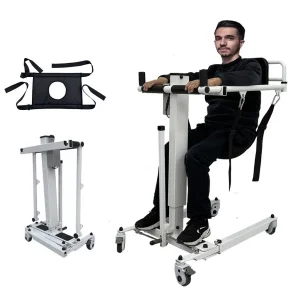
Easy-to-use patient lifts and height-adjustable beds allow caregivers to execute safe transfers, lowering the risk of accidental drops.
Advancing active fall prevention from physical barriers to predictive IoT patient safety networks.
The future of clinical fall prevention relies on integration. Rather than treating patient beds, pressure pads, and nurse call systems as independent units, our development roadmap moves toward a unified IoT healthcare ecosystem. Our R&D department works to incorporate smart technologies directly into the physical structure of our care systems.
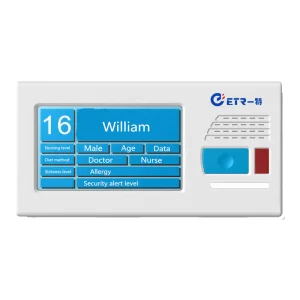
Phase 1: Multi-Zone Smart Sensing (Current R&D): Integrating capacitive and resistive array sensors directly into mattress structures and side rails. These arrays analyze shift patterns in a patient's center of gravity to alert nursing staff via wired ward call bell systems before an exit attempt occurs.
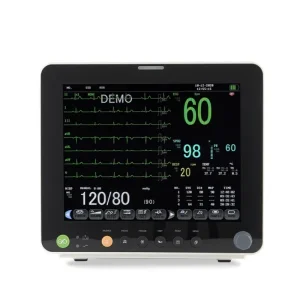
Phase 2: Predictive Diagnostics and Mobility Tracking: Integrating data from multi-parameter monitoring systems with mechanical bed telemetry. By tracking patient weight, heart rate shifts, and movement, the system flags patterns indicating restlessness or emergency egress needs.
Phase 3: Machine Learning & Automated Safety Response: Future systems will utilize local edge processors within the adjustable bed control unit. If a patient attempts to leave the bed while unsupervised, the system will automatically lower the frame height and activate soft under-bed LED lighting to reduce fall impacts.
Leveraging advanced technology and structural optimization to benefit global medical sourcing partnerships.
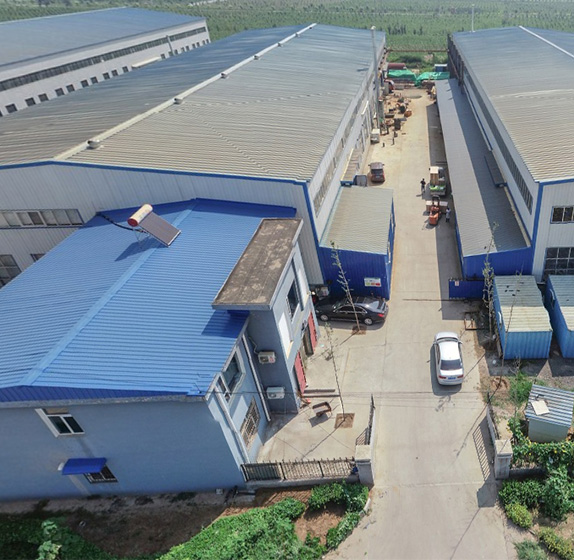
Sourcing medical furniture and patient safety systems requires balancing component reliability, manufacturing volume, and cost control. Operating from Hangzhou, China, Tucson Medical utilizes local supply chains, engineering talent, and automated production facilities to provide high-quality medical equipment globally.
By using advanced laser cutting machines, we cut structural tubing with high accuracy, ensuring proper alignment of mechanical links in our height-adjustable beds and patient lifts. Our robotic welding systems apply consistent, clean welds that withstand continuous daily use in high-throughput hospitals.
Our global supply chain is built to mitigate risk for international buyers. We maintain long-term partnerships with certified raw material suppliers to ensure steady access to high-tensile steel, biocompatible polymers, and reliable medical-grade motors. This manufacturing foundation allows us to offer scalable OEM/ODM production, consistent quality, and on-time international delivery.
Assisting international medical distributors with complete regulatory compliance and after-sales support.
Our overseas market extends across Asia, Southeast Asia, the Middle East, South America, and other regions. We have established relationships with local medical distributors, helping them expand their market share by supplying reliable products and adjusting designs based on local feedback.
We provide comprehensive technical assistance and after-sales support. For any operational or mechanical issues, we supply diagnostic solutions and replacement parts quickly to minimize equipment downtime in healthcare facilities. Our commitment is to offer the high-quality products and complete service support that help our partners compete effectively in their local markets.
In-depth insights into engineering standards, sensor integration, and OEM/ODM configuration options.
Explore our additional line of specialized care solutions, hospital ward equipment, and patient monitoring technologies.
 Tucson Medical