In the contemporary healthcare paradigm, fall prevention has transitioned from a reactive nursing task to a proactive, technology-driven strategic priority. As a premier China Wholesale Bed Exit Alarm System Supplier, Hangzhou Tucson Medical Co., Ltd. recognizes that "bed exit alarms" are no longer simple pressure mats; they are critical components of a comprehensive patient safety ecosystem. Global healthcare expenditures related to fall injuries exceed billions of dollars annually, necessitating a shift toward robust, high-fidelity monitoring systems that minimize "alarm fatigue" while maximizing intervention windows.
The global demand for bed exit monitoring is surging, driven by a "Silver Tsunami"—the rapidly aging population in North America, Europe, and Asia-Pacific. Institutional care facilities are seeking "Smart Fall Prevention" solutions that integrate seamlessly with Nurse Call Systems (NCS) and Electronic Health Records (EHR). This white paper explores the critical intersection of Chinese manufacturing prowess and the evolving clinical needs of global healthcare providers.
Reduction in Fall Rates with Integrated Systems
13485:2016 Certified Quality Standards
Countries Served Across 5 Continents
Continuous Innovation & Patent Development
Modern sensors utilize high-sensitivity capacitive or resistive layers that distinguish between shifting body weight and an actual exit attempt, reducing false positives.
Transitioning from corded to cord-free systems eliminates tripping hazards and allows for flexible positioning in ICU, geriatric, and home care environments.
Emerging systems leverage AI to analyze movement patterns, providing caregivers with "pre-exit" notifications before the patient even leaves the mattress.
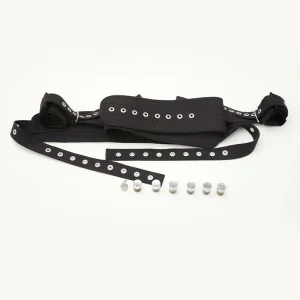
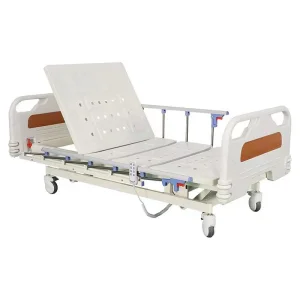
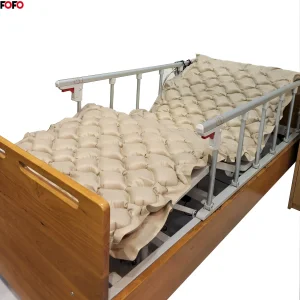
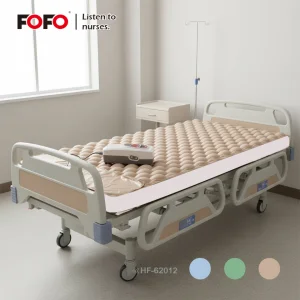
Global procurement trends indicate a shift toward multi-functional patient safety systems. Buyers are no longer looking for standalone alarms; they require integrated solutions that include low-air-loss pressure redistribution, adjustable medical beds, and ergonomic restraint systems. Hangzhou Tucson Medical addresses this by offering a vertical supply chain—from the core mattress technology to the structural furniture.
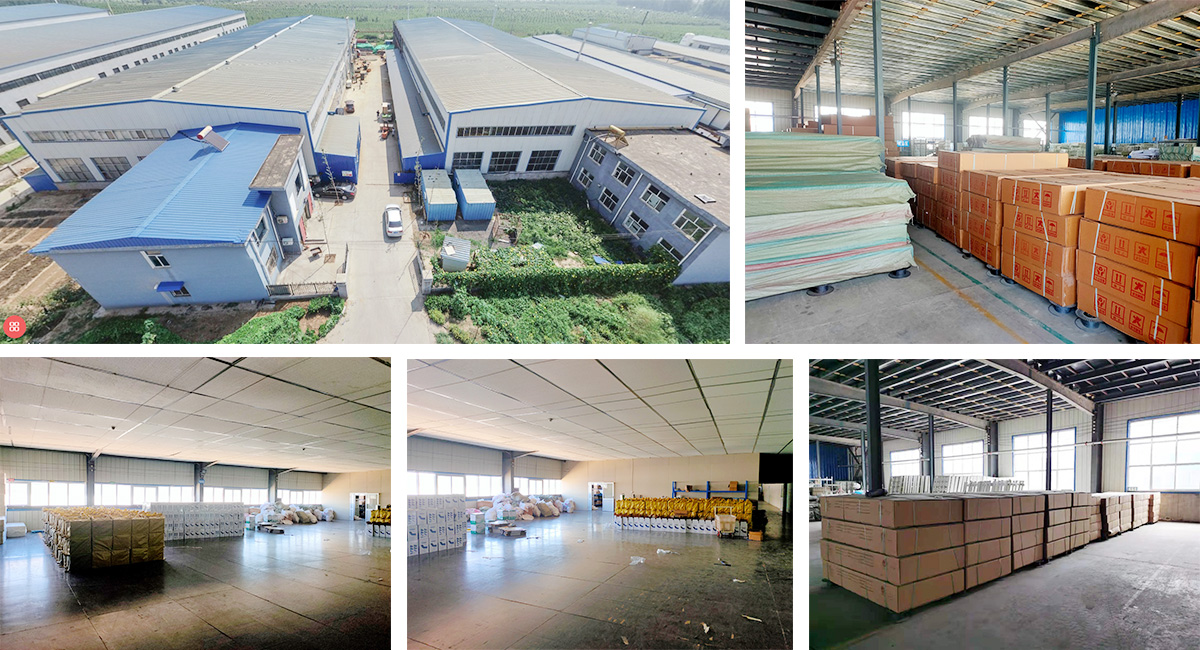
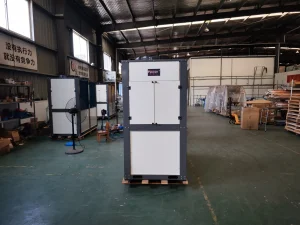
At Hangzhou Tucson Medical, our facility exemplifies the "China 4.0" initiative. We utilize advanced laser cutting equipment and robotic welding processes to ensure that every hospital bed and alarm frame meets surgical-grade precision. Our commitment to ISO 9001:2015 and EN ISO 13485:2016 certifications isn't just about compliance; it's about the reliability required when a human life is at risk.
Our footprint extends across Southeast Asia, the Middle East, and South America, allowing us to understand the unique "User Intent" behind procurement in different regions. Whether it is a high-traffic urban hospital in Dubai or a specialized nursing home in Singapore, our systems are designed for localized needs.
Focus on rapid-response integration with hospital nurse call systems and high-durability sensors that withstand frequent sterilization.
Prioritizing patient dignity with "invisible" sensors and wireless alarms that reduce the clinical feel of the environment while maintaining 24/7 safety.
Cost-effective, easy-to-install kits for family caregivers, often paired with adjustable home care beds and disposable adult diapers for comprehensive bed-bound patient management.
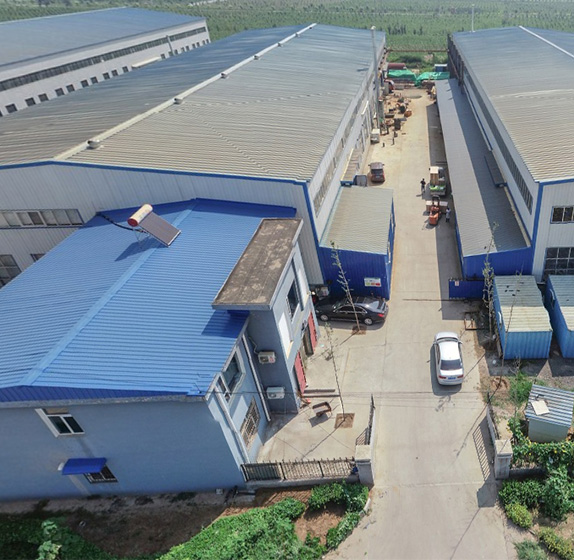
Hangzhou Tucson Medical Co., Ltd. stands as a beacon of reliability in the medical equipment sector. Our core philosophy is simple: Enhance the happiness of patients and the elderly by providing superior care tools. We don't just manufacture beds; we engineer environments that promote healing and safety.
Our R&D department is a hub of innovation, constantly optimizing product ergonomics based on feedback from our global distributor network. This circular feedback loop ensures that our Bed Exit Alarm Systems and Air Mattresses are not just theoretically sound but clinically effective in real-world conditions. We provide comprehensive after-sales service, ensuring that our partners in the field have the technical support they need to maintain continuous patient safety.
 Tucson Medical