Decoding the 2024 Industrial Shift in Bassinet Manufacturing and Global Export Standards
In the high-stakes environment of neonatal care, the CE Certified Bassinet has evolved from a simple piece of hospital furniture into a sophisticated medical device. As global birth rates stabilize and healthcare investments in emerging markets surge, the demand for precision-engineered, safe, and ergonomically superior bassinets has reached an all-time high. The global market for infant hospital beds is projected to grow at a CAGR of 5.8%, driven by a paradigm shift towards patient-centric design and stringent safety regulations in the EU and North America.
Leading exporters, particularly those anchored in China's advanced manufacturing hubs like Hangzhou, are now integrating AI-driven design optimizations and robotic precision to meet these global demands. For procurement officers and medical facility directors, understanding the nuance of "CE Certification" — specifically adherence to EN 1130:2019 and EN ISO 13485 — is no longer optional; it is the fundamental benchmark for liability reduction and patient safety.
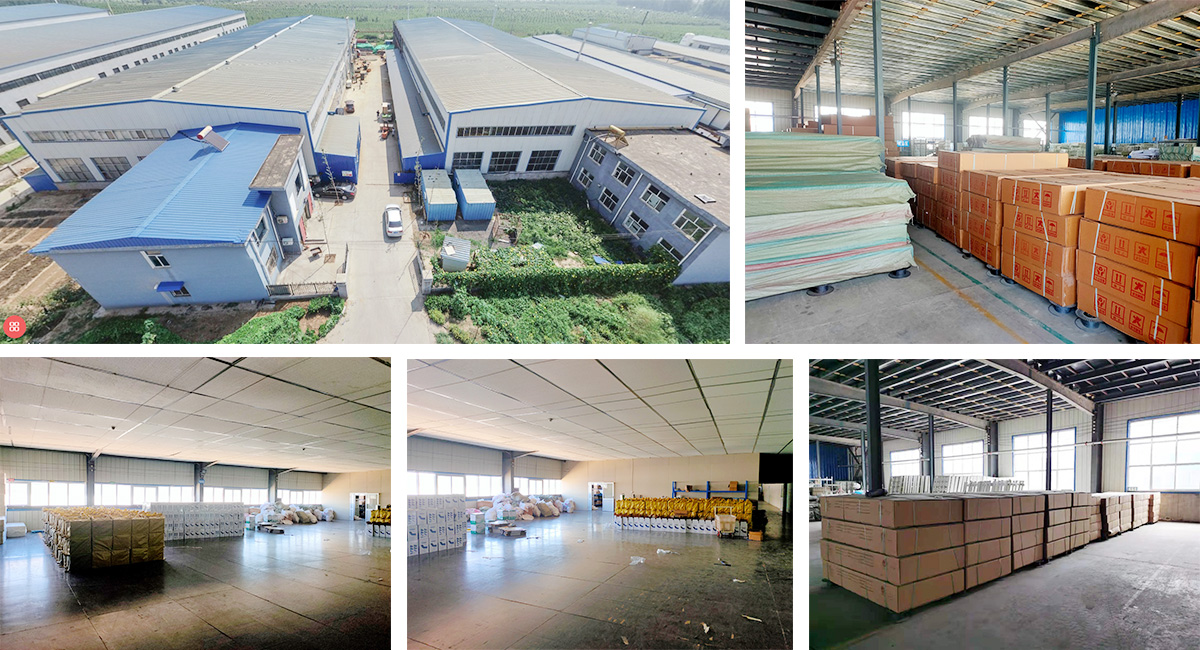
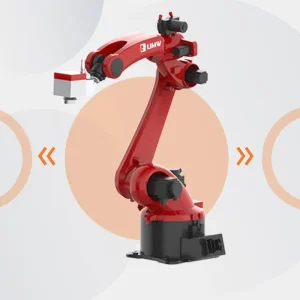
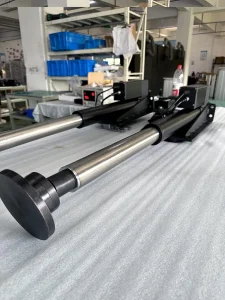
Figure 1: Automated robotic welding process ensuring structural integrity in medical-grade bassinets.
Welding Precision
Exporting Countries
13485 Certified
Technical Support
Why leading global medical brands choose Hangzhou Tucson Medical for OEM/ODM
Utilizing high-precision laser technology ensures that every component of the bassinet is burr-free and perfectly fitted, critical for infant safety.
Automated robotic welding processes eliminate human error, providing consistent structural strength that manual welding cannot replicate.
Strict control over raw material sourcing, focusing on non-toxic, anti-microbial coatings and high-grade alloys that withstand rigorous sterilization.
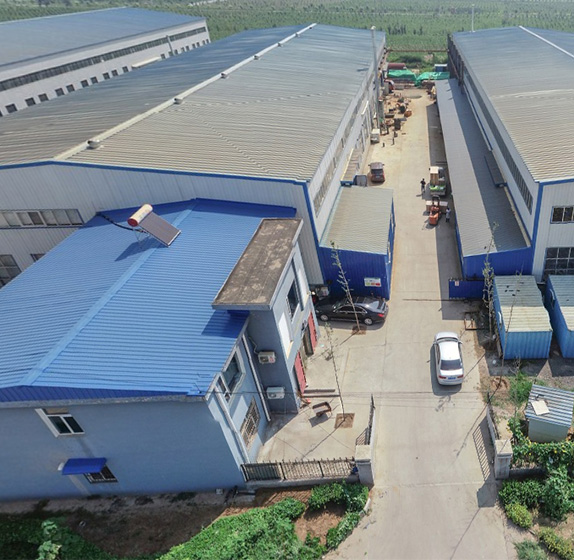
Hangzhou Tucson Medical Co., Ltd. exemplifies this industrial prowess. As a premier manufacturer of hospital beds, home care beds, and air mattresses, the integration of advanced R&D with a strict ISO 9001:2015 quality control framework allows for high-volume production without sacrificing the minute details that newborn care requires.
Incorporating load sensors and connectivity to hospital HIS systems for real-time weight monitoring.
Development of "Zero-Seam" designs and specialized polymers that resist biofilm formation.
A move towards 100% recyclable metal components and modular designs to extend product lifecycles.
It ensures compliance with EN 1130, which tests for stability, structural integrity, and the absence of small parts or entrapment hazards. For exporters, this is the legal passport to the European Economic Area.
Our process is two-fold: First, in-production checks for raw material precision and welding quality. Second, post-production functional testing, packaging integrity audits, and compliance verification with EN ISO 13485 standards.
Yes. Through our dedicated R&D department, we innovate and optimize product designs based on feedback from our partners in the Middle East, South America, and Asia, ensuring the furniture fits local clinical workflows.
Leveraging our advanced laser and robotic systems, we maintain a high throughput. Specific lead times vary by customization level but are optimized for global supply chain demands.
Procuring medical furniture is not merely a transaction; it is a partnership. To ensure long-term ROI and patient safety, enterprises should follow this framework:
 Tucson Medical