Rehabilitation is a critical process for recovery from injuries and surgeries. However, many individuals struggle with finding the right tools to aid their rehabilitation journey. Understanding how to support rehabilitation with proper equipment can make a significant difference. The right equipment not only enhances recovery speed but also improves overall effectiveness.
When selecting rehabilitation tools, consider both functionality and comfort. Each piece of equipment should cater to specific needs. For instance, resistance bands can provide gentle resistance, perfect for beginners. Wheelchairs or walking aids can boost independence during recovery. However, it is essential to assess individual progress regularly. Not all equipment will suit every patient, making customization necessary.
This article provides ten practical tips to ensure individuals make informed choices. Emphasizing proper equipment will lead to more effective rehabilitation. It’s time to explore these insights and help individuals reclaim their lives more confidently and effectively.
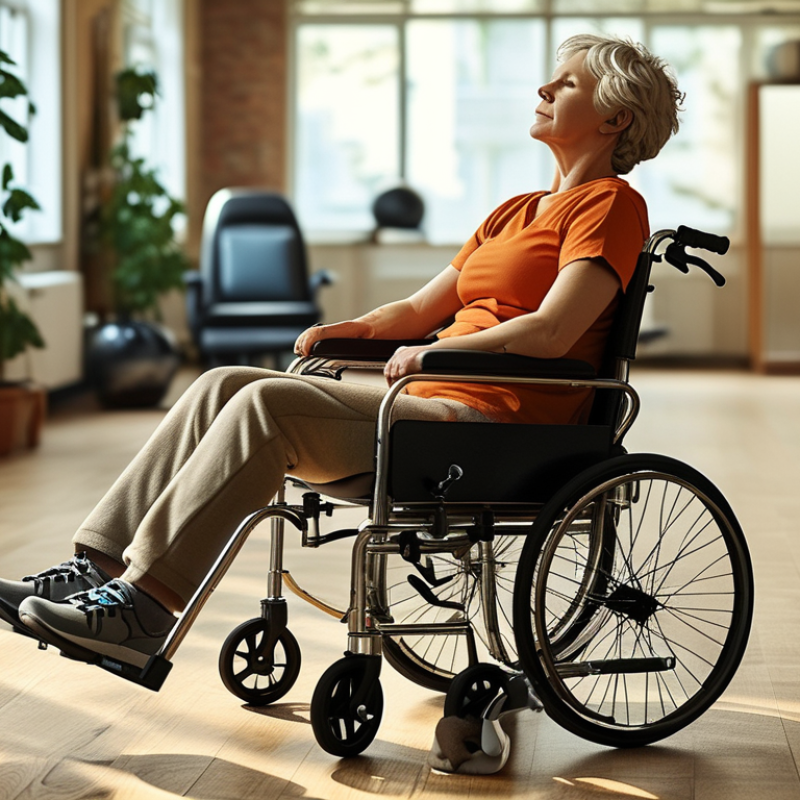
Rehabilitation equipment plays a crucial role in recovery. According to a 2021 report by the World Health Organization, around 2.4 billion people need rehabilitation services. The right tools can make a significant difference in healing processes.
Choosing suitable equipment enhances mobility and independence. For instance, therapeutic exercise devices improve muscle strength, while mobility aids can facilitate safe movement. Here are a few tips for selecting the right tools: Ensure they are easy to use and fit individual needs. Test various options to find the most comfortable solutions.
Patients often report frustration with equipment that doesn't meet their expectations. Some may even abandon rehabilitation altogether. It's essential to encourage open discussions about equipment preferences. Consider involving healthcare professionals in the selection process. Their expertise can guide patients towards effective resources for better recovery outcomes.
Using proper rehabilitation equipment is integral to improving patients' lives. Data indicates that adherence to rehabilitation protocols increases significantly with the right tools. Tailoring equipment choices to individual needs fosters a more successful recovery journey.
| Tip Number | Equipment Type | Key Features | Benefits |
|---|---|---|---|
| 1 | Wheelchair | Adjustable and lightweight | Enhances mobility and independence |
| 2 | Walkers | Padded grips and wheels | Provides stability and support during walking |
| 3 | Exercise Bands | Variable resistance levels | Facilitates strength training and flexibility |
| 4 | Standing Frames | Adjustable height and support | Aids in weight-bearing and improving posture |
| 5 | Therapeutic Balls | Various sizes and resistance | Enhances balance, coordination, and core strength |
| 6 | Biofeedback Devices | Real-time data tracking | Promotes awareness of body movements |
| 7 | Stairlifts | Compact and easy to install | Facilitates access to multi-level homes |
| 8 | Adaptive Cutlery | Ergonomic design | Supports independent dining for those with limited mobility |
| 9 | Compression Wear | Breathable and flexible materials | Promotes circulation and reduces swelling |
| 10 | Rehabilitation Software | User-friendly interface | Tracks progress and customizes training programs |
: Rehabilitation equipment is vital for recovery. It helps improve strength, mobility, and overall function post-injury.
Resistance bands assist in strength training. They build muscle and enhance mobility after injuries, showing effective results for many patients.
Aquatic therapy reduces joint stress and supports cardiovascular fitness. Patients with knee injuries particularly benefit from water-based exercises.
Balance trainers improve stability and confidence. They are essential for patients recovering from ankle sprains or strokes.
Some patients experience discomfort or frustration with exercises. This can lead to abandoning their routines due to delayed results.
Choosing the right equipment based on individual needs enhances recovery. It tailors the process to specific physical capabilities.
Regular evaluations ensure the equipment suits the patient’s evolving needs. Adjustments may be needed as recovery progresses.
Open communication allows for better equipment selection. Feedback from patients helps adapt treatment, improving overall effectiveness.
Weight, height, and mobility matter greatly. Personalization enhances comfort and effectiveness during recovery.
Reflection helps identify what works and what needs change. Understanding the journey is key to effective rehabilitation progress.
In the journey of recovery, understanding how to support rehabilitation with proper equipment is crucial for achieving optimal outcomes. Rehabilitation equipment plays a significant role in facilitating recovery, catering to various injuries and conditions. By selecting the right tools based on individual patient needs and specific rehabilitation goals, healthcare providers can enhance the effectiveness of recovery processes.
Additionally, integrating technology into rehabilitation equipment can provide enhanced support, allowing for personalized adjustments and better tracking of progress. Regular maintenance and customization of the equipment ensure that it meets the evolving needs of patients, ultimately leading to improved rehabilitation results. By following these principles, practitioners can significantly contribute to the efficacy of the rehabilitation process.

 Tucson Medical