How to Prevent Bedsores in Bedridden Patients Effectively?

Time:2026-08-13 Author:Aria
0%

Preventing bedsores in bedridden patients is crucial for their well-being. Bedsores, also known as pressure ulcers, can develop quickly. They are painful and can lead to infections. Understanding how to prevent bedsores for bedridden patients is essential for caregivers and healthcare professionals.

Effective prevention requires knowledge and consistent effort. Regular repositioning helps alleviate pressure on vulnerable areas. A schedule for turning patients should be established. Providing specialized mattresses can also reduce the risk. Nutrition plays a vital role; a balanced diet supports skin health and healing.

Despite best efforts, bedsores can still occur. It's a reminder of the complexities in patient care. Evaluating prevention strategies regularly can help identify gaps. Communication between caregivers is vital for sharing observations and strategies. Prioritizing this issue ensures better outcomes for those in need.
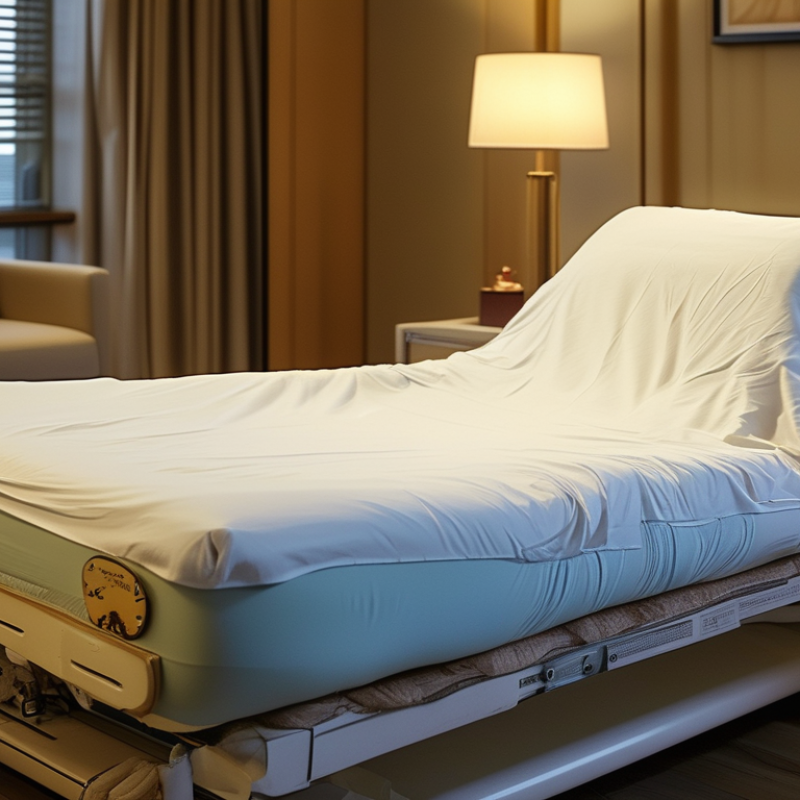
How to Prevent Bedsores in Bedridden Patients Effectively?

Understanding Bedsores and Their Causes in Bedridden Patients

Understanding bedsores and their causes in bedridden patients is crucial for effective prevention. Bedsores, also known as pressure ulcers, occur when prolonged pressure cuts off blood flow to the skin. This can lead to painful sores and serious infections. Patients immobilized for extended periods are at a heightened risk. Factors such as moisture, poor nutrition, and impaired circulation contribute significantly to the development of these injuries.

Tips for prevention include regularly repositioning the patient. Every two hours is a good rule of thumb. This reduces pressure on vulnerable areas. Use cushions or specialized mattresses to alleviate pressure. Good skin care is paramount. Keep the skin clean and dry to avoid moisture buildup. Look for early signs of redness or skin breakdown every day.

Nutrition plays an important role in prevention. A balanced diet that includes enough protein can promote skin health. However, many patients may struggle with appetite. It's important to find appealing foods that provide necessary nutrients. Encourage patients to stay hydrated, but be mindful of their mobility issues. Preventing bedsores requires consistent effort and observation. Regular assessments can help identify risk factors early and adjust care accordingly. Always be vigilant and ready to adapt strategies as needed.

How to Prevent Bedsores in Bedridden Patients Effectively?

Prevention Method Description Frequency Effectiveness
Regular Position Changes Changing the patient's position every 2 hours to relieve pressure on vulnerable areas. Every 2 hours High
Use of Pressure-Relieving Devices Using specialized mattresses and cushions designed to distribute weight evenly. Continuous Very High
Skin Care and Hygiene Keeping the skin clean and moisturized to prevent breakdown. Daily High
Nutrition and Hydration Ensuring adequate nutrition and hydration to support skin health and healing. Daily High
Patient Education Teaching caregivers about the importance of pressure relief and skin care. Ongoing Medium

Risk Assessment for Bedridden Patients: Identifying Vulnerabilities

Pressure ulcers, commonly known as bedsores, pose serious risks for bedridden patients. The National Pressure Ulcer Advisory Panel reports that nearly 2.5 million individuals in the United States develop pressure ulcers each year. Effective risk assessment is crucial for identifying patients who are particularly vulnerable. Factors such as immobility, incontinence, and poor nutrition significantly increase the likelihood of developing sores.

Routine skin assessments can help in early detection. Look for any changes in skin color and texture. Skin that appears red or feels warm may indicate impending problems. Use standardized assessment tools, like the Braden Scale, which evaluates a patient’s risk based on mobility, activity, and sensory perception.

**Tips:**
- Reposition patients every two hours to alleviate pressure.
- Ensure hydration and a balanced diet to support skin health.
- Maintain skin hygiene with gentle cleansers, avoiding harsh products.

Identifying individuals at risk allows for targeted interventions. However, it is essential to remain vigilant. Regular follow-ups and adjustments to care based on individual needs are necessary. Awareness of these factors is key in preventing complications and promoting better outcomes for bedridden patients.

Effective Positioning Techniques to Prevent Bedsores

Effective positioning techniques are crucial in preventing bedsores in bedridden patients. Studies indicate that pressure injuries affect nearly 2.5 million individuals in the United States each year. Correct body alignment and frequent repositioning are simple yet vital strategies.

Repositioning patients every two hours can significantly reduce the risk of bedsores. When doing so, use pillows to support bony areas, which alleviates pressure points. The 30-degree lateral position is recommended, as it distributes weight evenly and minimizes friction. Moreover, clinicians emphasize the importance of assessing skin condition regularly. Early detection allows for prompt intervention, which can prevent more severe injuries.

Incorporating a cushion or specialized mattress can help distribute pressure over a larger area. However, these solutions are not always perfect. Some patients may resist repositioning due to discomfort. Staff and caregivers need to balance comfort with prevention strategies. With ongoing education and patient involvement, the risk of bedsores can be substantially reduced, improving overall patient outcomes.

Maintaining Skin Health: Hygiene and Moisturization Strategies

Maintaining skin health is crucial for bedridden patients. Regular hygiene practices can significantly reduce the risk of developing bedsores. Daily bathing with gentle soap can help. Using lukewarm water is recommended to avoid skin irritation. Remember to dry the skin thoroughly, especially between the folds.

Moisturization is another important strategy. Skin can easily become dry, leading to increased vulnerability. Applying a fragrance-free moisturizer helps maintain skin hydration. Focus on areas prone to pressure, like elbows and heels. Reapply moisturizer daily, ensuring it absorbs well into the skin. It’s easy to overlook these details, but they are vital for skin integrity.

Bedridden patients may resist these routines out of discomfort or fatigue. Gentle reminders can encourage participation. Observing skin for redness or irritation can lead to early intervention. Consistent practices might not feel perfect, but they lay a foundation for better skin health. Caregivers should strive for improvement, even if the process is imperfect.

Utilizing Supportive Devices for Pressure Relief and Comfort

Utilizing supportive devices for pressure relief and comfort is crucial in preventing bedsores in bedridden patients. Special cushions and mattresses are designed to redistribute weight evenly. These devices minimize pressure on vulnerable areas of the body. Patients often spend long hours in one position, increasing the risk of skin breakdown. A good quality foam mattress can help with this.

In addition to specialized mattresses, other supportive devices like heel protectors and cushioning pads provide extra comfort. These can be placed under bony prominences to prevent pressure injuries. Regular repositioning, ideally every two hours, is still necessary. However, using these devices makes it easier to maintain comfort. Caregivers should also assess the patient’s skin regularly for any signs of pressure sores.

However, there is no one-size-fits-all solution. Not every device works for every patient. Some individuals may feel uncomfortable despite the use of these aids. Caregivers should stay alert to any changes in the patient's condition. It’s vital to solicit feedback from patients. Their comfort level often indicates the effectiveness of the devices used.

FAQS

: What are pressure ulcers?

: Pressure ulcers, or bedsores, develop from prolonged pressure on the skin. They are a significant risk for bedridden patients.

How can I identify patients at risk for bedsores?

Look for immobility, incontinence, and poor nutrition as key risk factors for developing pressure ulcers.

What is the importance of routine skin assessments?

Routine skin assessments help detect any changes in skin color or texture. Early detection is crucial for effective intervention.

How often should patients be repositioned?

Patients should be repositioned every two hours to relieve pressure and prevent skin breakdown.

What supportive devices can help prevent bedsores?

Specialized cushions, mattresses, and heel protectors are useful for redistributing weight and minimizing pressure.

Are all supportive devices suitable for every patient?

No, what works for one patient may not work for another. Individual comfort levels may vary significantly.

How can caregivers ensure skin health?

Caregivers should maintain skin hygiene and support hydration and a balanced diet for overall skin health.

Why is patient feedback important?

Patient feedback helps assess the comfort and effectiveness of supportive devices. Their feelings often guide care adjustments.

What should caregivers look for during skin assessments?

Caregivers should check for skin redness, warmth, or any changes in texture as signs of potential pressure issues.

Is regular follow-up necessary in patient care?

Yes, regular follow-ups and adjustments to care plans are essential based on the patient's evolving needs and conditions.

Conclusion

Preventing bedsores in bedridden patients is crucial for maintaining their overall health and comfort. Understanding bedsores and their underlying causes is the first step in tackling this issue. Conducting a thorough risk assessment helps identify vulnerable areas on the patient’s body, allowing caregivers to implement targeted prevention strategies.

Effective positioning techniques, such as regularly changing the patient's position, play a vital role in alleviating pressure on the skin. Additionally, maintaining skin health through proper hygiene and moisturization is essential. The use of supportive devices can further enhance pressure relief and comfort, ensuring that caregivers are well-equipped on how to prevent bedsores for bedridden patients effectively. By combining these methods, healthcare providers can significantly reduce the incidence of bedsores and improve the quality of life for those confined to bed.

Aria

Aria

Aria is a dedicated marketing professional with a deep passion for innovative strategies and a keen understanding of our company's product offerings. With a wealth of experience in the industry, Aria excels at crafting engaging content that highlights the unique features and benefits of our......