How to Improve Patient Comfort in Hospital Beds?

Time:2026-06-10 Author:Isabella
0%

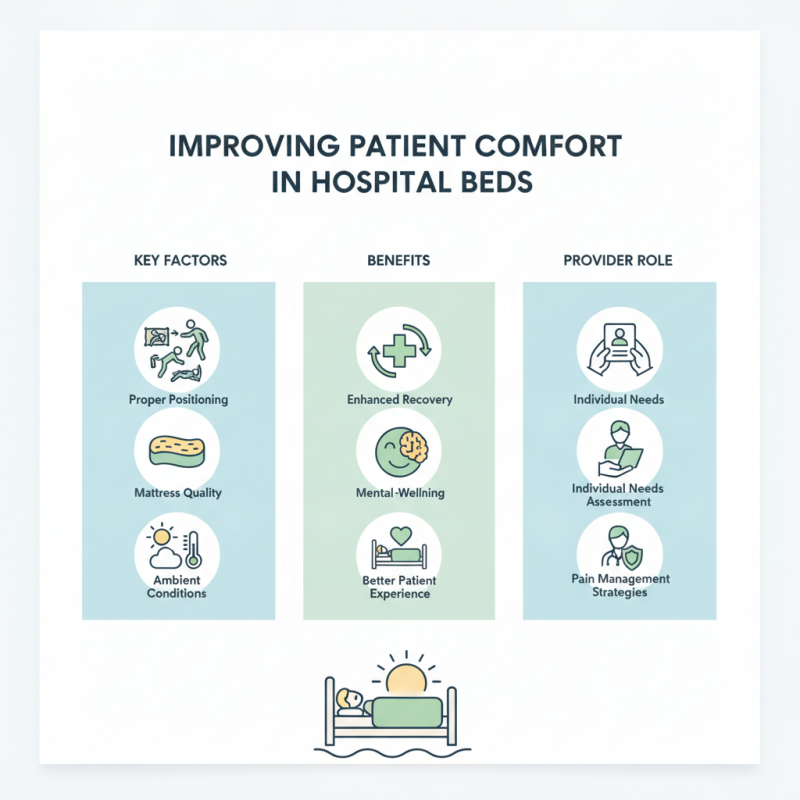
Patient comfort in hospital beds is crucial for recovery. Many factors affect this comfort level, influencing overall patient experience. Proper positioning, mattress quality, and ambient conditions play significant roles.

A well-designed hospital bed can alleviate discomfort and enhance rest. However, not all beds cater to patients’ unique needs. Some may find traditional designs inadequate, leading to pain and frustration.

Understanding what factors affect patient comfort in hospital beds is essential for healthcare providers. They must consider individual preferences and pain management strategies. Failure to address these aspects can diminish the healing environment. Improved patient comfort not only supports recovery but also impacts mental well-being.
How to Improve Patient Comfort in Hospital Beds?

Understanding the Importance of Patient Comfort in Hospital Beds

Understanding patient comfort in hospital beds is essential for recovery. A comfortable environment can enhance healing, reduce stress, and improve overall satisfaction. It can also lower anxiety levels, which is crucial for many patients. Discomfort can lead to complications, such as pressure ulcers. Hence, focusing on hospital bed design and features is vital.

Here are some tips to enhance patient comfort. Adjusting the bed height and angle can make a big difference. Using softer linens and pillows adds to the overall comfort level. In some cases, patients may require additional support, such as side rails. Regular checks on mattress integrity are necessary, as worn-out mattresses can cause discomfort.

Communication is also key. Nurses should frequently ask patients about their comfort levels. Patients may not always voice their needs. Keeping the room at a comfortable temperature can further enhance relaxation. Implementing these aspects can create a more healing environment, nurturing both physical and emotional well-being.

Factors Affecting Patient Comfort in Hospital Settings

Patient comfort in hospital beds significantly hinges on various factors. One major aspect is the bed's adjustability. Beds that can be easily adjusted to different angles enhance patient comfort. Patients should feel support for their back and legs. Additionally, the presence of comfortable mattresses plays an essential role. A mattress that reduces pressure points can aid in preventing soreness.


Another crucial factor is the hospital environment itself. Noise levels can greatly impact a patient’s ability to rest. Hospitals often struggle with excessive noise, which disrupts sleep and prolongs recovery. Adequate lighting, both natural and artificial, is vital. Soft, warm light can foster an inviting atmosphere.


Staff interactions are equally important for patient comfort. A kind word or a reassuring presence fosters trust and relaxation. However, the inconsistency in staff availability can lead to feelings of isolation. Patients often report wanting more communication from healthcare providers. This interaction can make a significant difference in their overall experience in hospital settings.

Design Features of Hospital Beds that Enhance Comfort

Hospital beds play a crucial role in enhancing patient comfort. Their design features can significantly influence how patients feel during recovery. According to a study published in the Journal of Healthcare Engineering, comfortable beds can lead to a 20% reduction in patient anxiety levels. Key components such as adjustable head and foot sections allow patients to find their preferred seating positions, which can help ease discomfort.

Incorporating pressure relief systems is vital as well. Beds that feature advanced foam and air mattress technology can prevent bed sores. The American Nursing Association reports that around 2.5 million patients develop pressure ulcers annually. This can be reduced by implementing beds designed for better weight distribution and support.

Tips: Regularly assess the bed's functionality. Is the height adjustable? Are the controls easy to use? This functionality is essential for both patients and caregivers. Encourage patients to express their comfort preferences, which can often be overlooked. The feedback can lead to more effective design improvements in hospital settings. Investing in patient comfort pays off.

Techniques for Adjusting Hospital Beds for Optimal Patient Support

Adjusting hospital beds correctly is crucial for patient comfort and recovery. Studies show that proper positioning can reduce pressure ulcers, which affect 2.5 million patients annually. Adjusting the bed's height ensures easy access for both patients and caregivers. It helps minimize strain during transfer and enhances overall safety.

Optimal patient support requires customizing bed angles. A 30 to 45-degree backrest position can significantly enhance comfort for patients with respiratory issues. It promotes better lung function and may reduce the need for supplemental oxygen. Additionally, elevating the legs can improve circulation, particularly for patients with heart conditions.

Despite the advantages, not all healthcare providers are consistent in implementing these adjustments. Challenges exist in staff training and the time required for proper bed positioning. Reports suggest that only 60% of healthcare settings regularly adjust beds effectively, leading to potential discomfort. Acknowledging these inconsistencies could drive improvements in patient care and comfort strategies.

Incorporating Technology to Monitor and Improve Patient Comfort

Incorporating technology is crucial for enhancing patient comfort in hospital beds. Recent studies show that over 80% of patients report discomfort during their hospital stay. This discomfort can lead to increased anxiety and prolonged recovery times. Innovative technologies are emerging, focusing on both monitoring and improving pillow and mattress quality.

Smart beds equipped with sensors track vital signs and adjust positions automatically. These beds can help reduce pressure sores by redistributing weight. Hospitals adopting such technology have reported a 30% decrease in pressure ulcer rates, according to the Journal of Healthcare Engineering. However, not all facilities implement these advancements uniformly, leading to disparities in patient care.

Patient feedback is vital for improving comfort levels. Surveys indicate that 70% of patients prefer beds that offer adjustable firmness settings. Integrating user-friendly interfaces for bed controls could further enhance satisfaction. Yet, the challenge remains: many staff members need more training to operate these advanced systems effectively. Balancing technology with patient needs is an ongoing process in healthcare facilities, requiring consistent evaluation and adaptation to ensure optimal comfort.

FAQS

: What is the role of hospital beds in patient comfort?

: Hospital beds significantly influence patient comfort, affecting recovery and anxiety levels.

How do adjustable sections in beds help patients?

Adjustable head and foot sections allow patients to find comfortable seating positions, easing discomfort.

Why are pressure relief systems important in hospital beds?

They prevent bed sores, improving patient comfort and reducing the incidence of pressure ulcers.

How can hospital staff assess bed functionality?

Regular checks should include height adjustability and control ease.

What does patient feedback indicate about bed features?

Many patients prefer adjustable firmness settings for enhanced comfort.

How do smart beds contribute to patient comfort?

Smart beds monitor vital signs and adjust positions automatically, helping reduce pressure sores.

What disparities exist in the use of advanced bed technology?

Not all healthcare facilities implement new bed technologies equally, affecting patient care quality.

What is a common issue with staff training on advanced bed systems?

Many staff members require more training to effectively operate these complex systems.

How can patient comfort be improved with technology?

Incorporating user-friendly interfaces and advanced mattress quality can enhance overall satisfaction.

Why is ongoing evaluation important in healthcare facilities?

Continuous assessment ensures that technology aligns with patient needs for optimal comfort.

Conclusion

Patient comfort in hospital beds is crucial for promoting recovery and enhancing overall patient experience. Understanding what factors affect patient comfort in hospital beds involves recognizing elements such as bed design, adjustability, and the presence of supportive features. Various factors, including mattress quality, bed height, and ease of mobility, significantly impact how patients feel during their hospital stay.

Additionally, incorporating innovative design features and advanced technologies can further enhance comfort levels. Techniques for adjusting hospital beds, such as elevation or tilt functionalities, provide optimal support tailored to individual patient needs. Utilizing technology that monitors patient comfort can also facilitate timely adjustments, ensuring that patients have a more pleasant experience during their treatment and recovery process.

Isabella

Isabella

Isabella is a dedicated marketing professional with a sharp focus on driving brand growth and engagement through strategic content creation. With an extensive background in digital marketing, she combines her passion for storytelling with her keen understanding of industry trends to deliver......