Home healthcare equipment has become increasingly vital for patients seeking autonomy in their care. Dr. Mark Johnson, a renowned expert in home healthcare, highlights this importance by stating, "Home healthcare equipment empowers patients to maintain independence while receiving necessary treatment." The question arises: what are the benefits of home healthcare equipment?
With advancements in technology, patients can access vital tools right at home. This convenience allows them to monitor their health closely. Devices such as blood pressure monitors and pulse oximeters provide immediate feedback. Patients can engage in their recovery more actively. Comfort plays a significant role; being at home reduces anxiety often felt in clinical settings.
However, not all patients may recognize the potential of these devices. Some may resist using new technology due to fear or lack of knowledge. This underscores the importance of education and support. By addressing these concerns, we can better inform those in need. Ultimately, embracing home healthcare equipment can lead to significant improvements in patient outcomes.
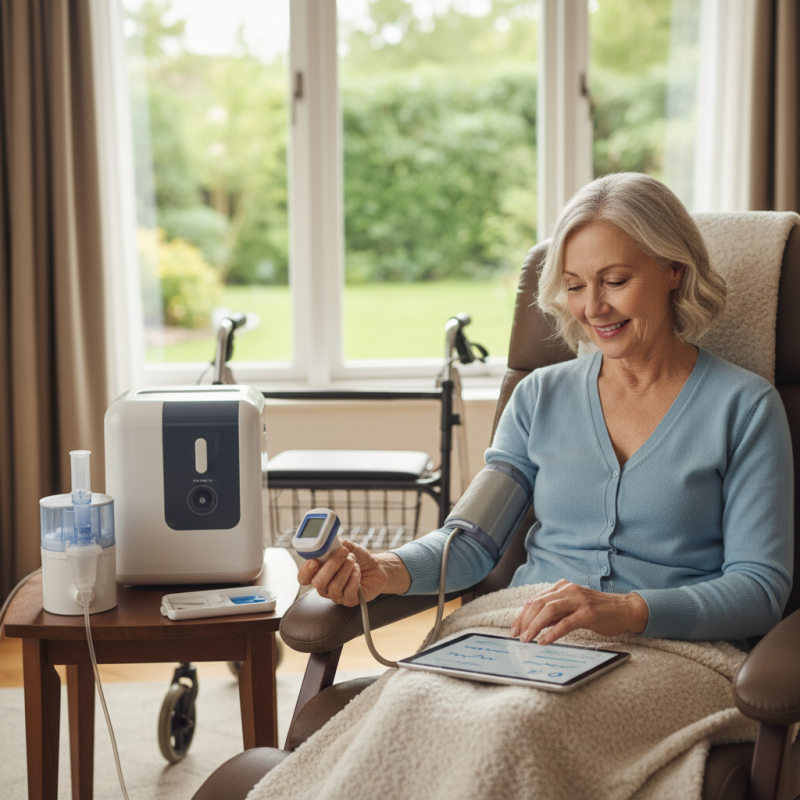
Home healthcare equipment plays a critical role in promoting patient independence. As patients recover at home, this equipment offers them the freedom to manage daily activities with greater ease. According to a report by the National Association for Home Care & Hospice, over 60% of patients using home healthcare equipment experience improvements in their overall quality of life.
Mobility aids, such as walkers and wheelchairs, enable patients to navigate their homes and engage with family and friends. Increased mobility contributes significantly to emotional well-being. Studies show that maintaining independence reduces feelings of isolation and depression, which are common among individuals with limited mobility. However, not all patients are comfortable using this equipment at first. Training and support are crucial for ensuring they utilize these aids effectively.
Monitoring devices, such as blood pressure monitors and glucose meters, empower patients to track their health from home. This self-management approach increases their confidence in handling chronic conditions. Nevertheless, patients sometimes struggle with understanding data and adjusting their routines. Healthcare professionals must provide ongoing guidance to help bridge this gap. Home healthcare equipment has the potential to transform lives, but effective support is essential for maximizing its benefits.
: Home monitoring devices can reduce readmission rates by over 30%. This empowers patients to manage health conditions at home effectively.
Common devices include blood pressure cuffs and glucose meters. They help healthcare providers track patients' health proactively.
Patients using these devices experience 25% fewer severe health events. They can receive earlier interventions from medical professionals.
Some patients struggle with technology, leading to inconsistent data. This can create a false sense of security and complicate health management.
Regular training sessions are vital. Open communication with healthcare providers can improve adjustments and support for better outcomes.
Patients often feel more relaxed and at ease in familiar settings. For instance, using a hospital bed at home can ease mobility issues.
They should share challenges with healthcare providers. This can lead to better adjustments and personalized support.
No, not all patients find technology easy to use. Some may need additional support or training to manage devices effectively.
Patients can monitor health in real time. This fosters adherence to treatment plans and proactive care approaches.
Inconsistent data from devices can lead to confusion. Careful evaluation and support are necessary for effective use in chronic disease management.
Home healthcare equipment offers numerous advantages that significantly enhance patient care and outcomes. One of the primary benefits is the promotion of patient independence, enabling individuals to manage their health in the comfort of their own homes. This equipment has been shown to improve health outcomes, as evidenced by data indicating reduced hospital readmission rates among users. Moreover, the cost-effectiveness of home healthcare solutions presents a financial advantage, as they can lead to substantial savings on long-term care expenses.
Additionally, home healthcare equipment enhances the overall comfort and convenience of patients, contributing to higher satisfaction rates as reflected in various studies. Integration of advanced technology into home healthcare solutions also plays a crucial role in the effective management of chronic diseases, providing patients with valuable tools to monitor their conditions. In summary, understanding "what are the benefits of home healthcare equipment" reveals a compelling case for its adoption in modern healthcare practices, positively impacting both patients and healthcare systems alike.

 Tucson Medical