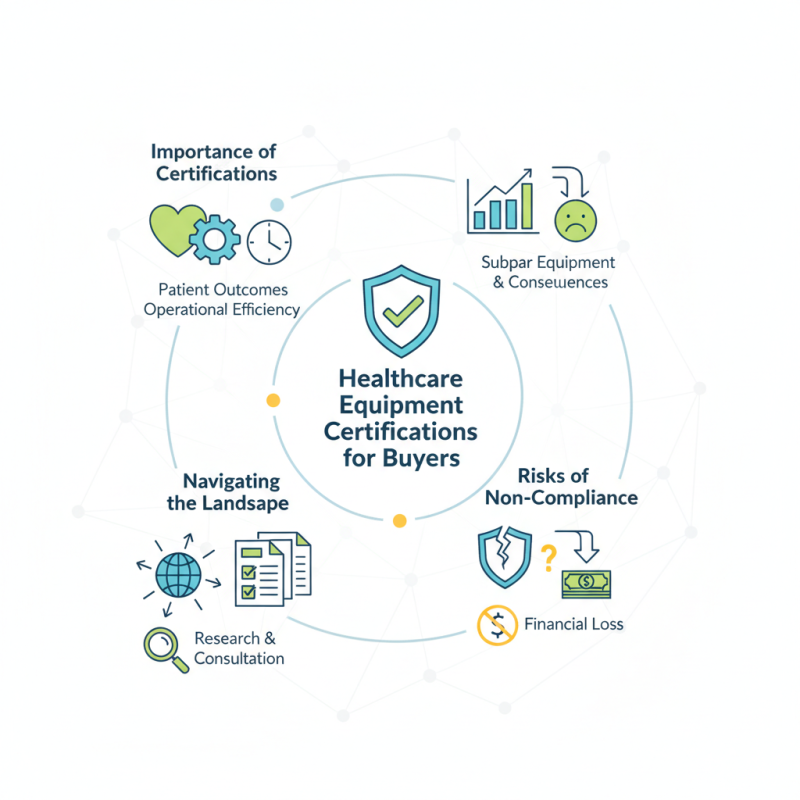
When purchasing healthcare equipment, understanding what certifications should healthcare equipment have is crucial. These certifications ensure that the devices meet safety and quality standards. Buyers must navigate a complex landscape of regulations and standards that vary across regions and equipment types.
Reliable equipment is essential in healthcare. It impacts patient outcomes and operational efficiency. However, many buyers may overlook certification details, which can lead to serious consequences. Not all certifications are the same. Some are more recognized and respected than others.
A lack of awareness about required certifications can be detrimental. Buyers might invest in subpar equipment, believing it meets necessary standards. This situation demands careful research and consultation with professionals. Engaging with knowledgeable sources can enhance understanding and foster better decision-making in purchasing healthcare equipment.
When considering healthcare equipment, certification is paramount. This validation ensures the devices meet quality and safety standards. Various organizations provide these certifications. Regulatory bodies often require adherence to protocols for medical devices. Compliance with these standards is not just a formality. It reflects the commitment to patient safety and enhances trust among users.
Key certifications to look for include ISO 13485 and CE marking. ISO 13485 indicates that manufacturers follow quality management systems. It reassures buyers that products are produced consistently under stringent controls. CE marking signifies conformity with health, safety, and environmental protection standards in the European Union. However, granting certification does not guarantee perfection. Some equipment might still have flaws or face recalls.
Before purchasing, buyers should research the certification status. Verify that the equipment has current certifications. Some companies may overstate their compliance. It’s crucial to seek comprehensive documentation. Reviewing previous incidents or recalls associated with a product can provide insights. Speaking with other healthcare professionals can also offer honest feedback about equipment reliability.
In healthcare, the importance of equipment certification cannot be overstated. ISO standards are crucial for ensuring patient safety and equipment reliability. According to a report by the World Health Organization, about 10% of all medical devices globally are unsafe or ineffective. This highlights the need for rigorous certification processes to mitigate risks in healthcare settings.
ISO 13485, for instance, specifies requirements for a quality management system. It directly affects the design and manufacturing of medical devices. Compliance with this standard can help organizations improve their products and enhance customer satisfaction. Data from the International Organization for Standardization indicates that companies with ISO certifications report a 20% reduction in product recalls. This statistic underscores the potential for well-certified equipment to protect public health.
Another key standard is ISO 14971, which focuses on risk management in medical devices. This framework guides manufacturers in identifying hazards and implementing controls. A reported 40% of medical device recalls occur due to inadequate risk assessment. This alludes to the necessity of rigorous testing protocols to ensure compliance with health regulations. Buyers must thoroughly check certifications to ensure they are investing in reliable, safe equipment.
When it comes to purchasing medical devices, FDA approval is a crucial factor. This approval indicates that a device has met specific safety and efficacy standards. Buyers can feel more assured knowing that their equipment has undergone rigorous testing. The FDA examines the design, materials, and performance before granting approval. This process takes time but is essential for patient safety.
However, FDA approval alone does not guarantee perfection. Some approved devices may later reveal issues as they enter general use. Monitoring post-market performance is vital. Users need to stay informed about any recalls or adverse events related to their devices. They must engage with reliable sources for updates. Lack of ongoing education can lead to poor decisions.
Moreover, it's important to consider that not all medical devices require the same level of scrutiny. Some lower-risk items may receive a faster clearance process. Buyers should not solely rely on FDA approval but also evaluate clinical data and user reviews. A more comprehensive approach involves looking at all certifications and aligning them with specific needs. This ensures that choice is based on both trust and evidence.
| Certification Name | Description | Relevance to Medical Devices | FDA Approval Status |
|---|---|---|---|
| FDA Approval | Indicates that the medical device has been evaluated and deemed safe and effective by the FDA. | Essential for devices intended for clinical use; ensures compliance with health standards. | Mandatory for many medical devices before they can be marketed in the U.S. |
| ISO 13485 | International standard for quality management systems specific to the medical devices industry. | Demonstrates a commitment to consistent quality in the design and manufacture of medical devices. | Not required by FDA, but often a prerequisite for market entry in other countries. |
| CE Marking | Signifies conformity with health, safety, and environmental protection standards for products sold within the European Economic Area. | Important for devices sold in Europe; ensures devices meet EU regulations. | Not relevant for FDA but necessary for compliance in European markets. |
| UL Certification | Certification for safety and performance standards, particularly for electrical products. | Reassures buyers about the safety of electrical medical devices. | Not a substitute for FDA approval but adds an extra layer of safety assurance. |
In the healthcare industry, ensuring that equipment is certified is crucial for both safety and functionality. The CE marking plays a vital role in this context, particularly within the European market. Equipment bearing the CE mark demonstrates compliance with EU safety, health, and environmental protection standards. According to a report from the European Commission, approximately 90% of all medical devices in Europe carry the CE mark, reinforcing its significance.
When purchasing medical equipment, buyers must consider the implications of CE certification. Without it, there could be risks related to safety and quality. A study from the Medical Device Publishers indicates that equipment without proper certification often leads to higher failure rates in clinical settings. This highlights a clear correlation between certification and reliability.
Tips: Always verify the availability of CE markings. Consult the vendor for relevant documentation. Regularly review equipment performance data to ensure ongoing compliance. Buyers should also seek recommendations from healthcare professionals. Engaging with experts can provide insights beyond mere compliance, contributing to better decision-making in equipment purchases.
When assessing healthcare equipment, the certifications it holds are critical. Various certifications demonstrate compliance with safety and efficacy standards. For example, the FDA classifies devices into categories based on risk, guiding manufacturers in the certification process. Industry reports reveal that 80% of healthcare facilities prioritize equipment with recognized certifications, highlighting its importance in purchasing decisions.
Moreover, certifications like ISO 13485 ensure a consistent quality management system. This standard has become a staple for manufacturers in the medical device industry. According to a recent study, certified companies often experience fewer product recalls. This correlation suggests that certifications reinforce reliability. Unfortunately, not all products meet these benchmarks, which can pose risks to patient safety.
Healthcare buyers should also consider emerging standards, like those from the International Electrotechnical Commission (IEC). These certifications cover electrical safety and performance. A report indicated that 30% of healthcare equipment lacks IEC certification, which raises concerns. While choices abound, relying solely on basic certifications may lead to oversights. Continuous evaluation of evolving certifications is vital for making informed decisions.
: Certification ensures that medical devices meet quality and safety standards. It builds trust among users.
Key certifications include ISO 13485 and CE marking. These indicate compliance with safety and quality management standards.
No, certification does not guarantee perfection. Some devices may still have flaws or face recalls.
Research the certification status and check for current certifications. Look for comprehensive documentation from the manufacturer.
Look into previous recalls or issues associated with the product. Testimonials from other healthcare professionals can be useful.
ISO 13485 ensures quality management systems are in place in the manufacturing process. This enhances reliability.
Risk management helps identify hazards and implement safety controls. A lack of it can lead to recalls.
Companies with ISO certifications report a 20% reduction in product recalls. This highlights the importance of compliance.
About 10% of medical devices globally are considered unsafe or ineffective, stressing the need for rigorous certification.
Be cautious. Some companies may overstate their compliance. Conduct thorough research and verify claims independently.
In the healthcare sector, understanding what certifications should healthcare equipment have is essential for ensuring safety and efficacy. Medical devices must comply with necessary certifications that indicate they meet stringent safety standards. Key certifications include ISO standards, which provide a framework for quality management systems specific to healthcare equipment, and FDA approval, which is crucial for the United States market, signifying that a device is safe and effective for public use.
Additionally, in the European market, CE marking is mandatory for medical devices, demonstrating compliance with health, safety, and environmental protection standards. Buyers should also evaluate other relevant certifications that may apply to specific types of healthcare equipment, ensuring they make informed purchasing decisions. By considering these certifications, healthcare providers can enhance patient safety and improve outcomes.
Tucson Medical