Home nursing environments play a critical role in patient care. Ensuring safety in these settings is paramount for both nurses and patients. Understanding how to improve safety in home nursing environments can make a significant difference in fostering a secure atmosphere for recovery.
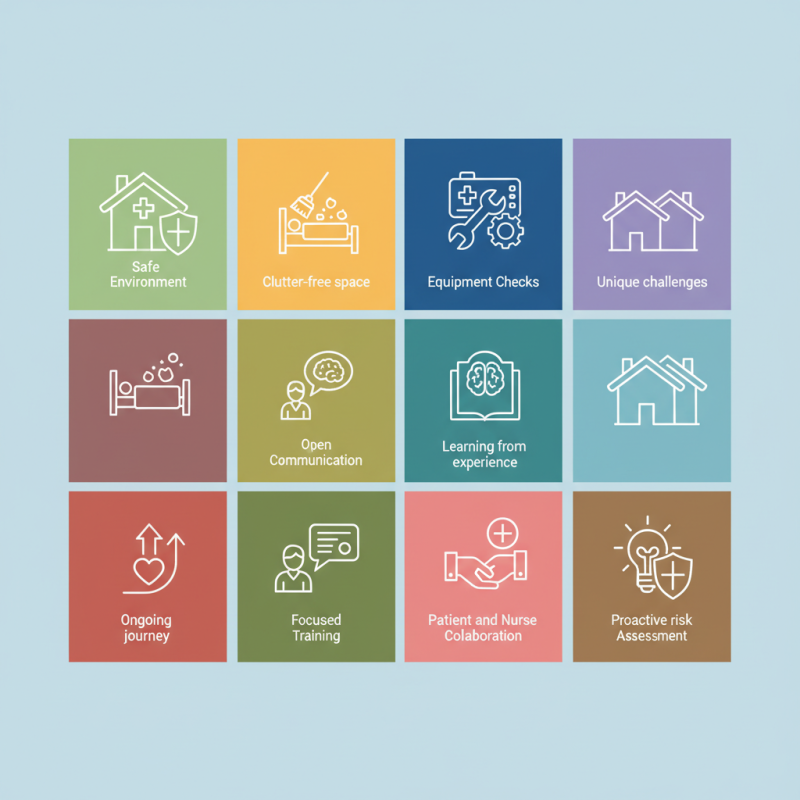
Implementing simple yet effective strategies can greatly enhance safety. For instance, maintaining a clutter-free space reduces the risk of falls. Regularly checking equipment for functionality is also vital. Not all nursing environments are the same. Each home presents unique challenges that require careful consideration. Reflecting on past experiences can lead to better safety practices.
Ultimately, enhancing safety is an ongoing journey. It demands adaptability and a commitment to learning from incidents. Encouraging open communication among team members can help identify potential risks. Focused training sessions can provide the knowledge needed to navigate these challenges confidently.
Creating a safe home nursing environment starts with thorough assessments. Evaluate the physical space. Look for potential hazards like loose rugs or clutter. These issues can cause falls, especially for frail individuals. Ensure that hallways and rooms are well-lit. Poor lighting can lead to accidents. Consider installing grab bars in bathrooms. They provide essential support and enhance mobility.
Check medical equipment regularly. Equipment should be functional and safe to use. If a device is broken, it can create a dangerous situation. Maintain easy access to emergency contacts. In case of any health issues, prompt communication is vital. Review your home layout as well. Ensure that all essential items are within reach. This step reduces the need for risky movements.
Assessing the home environment requires constant attention. Changes in health or mobility may require adjustments in the home setup. Regular reassessment helps identify new risks. Safety in home nursing isn’t a one-time task; it's an ongoing process. Reflect on past incidents to improve future safety measures. Every small step makes a difference in ensuring a secure nursing environment.
In home nursing, infection control is paramount. Caregivers must understand that a single lapse can lead to severe consequences. The environment must be clean and organized. Regularly disinfecting surfaces helps reduce the risk of germs spreading. Patients with compromised immune systems are vulnerable. They need extra precautions.
Using personal protective equipment is essential. Masks and gloves shield both caregivers and patients. Training in proper hand hygiene is crucial. Washing hands before and after patient care can prevent infections. It's vital for all household members to be involved. Everyone should understand the importance of cleanliness. This collective effort creates a safer home environment.
Sometimes, despite best efforts, infections can still occur. Reflecting on these situations can reveal gaps in protocols. Are caregivers regularly updating their knowledge? Is there a system for reporting infections? Continuous learning and adapting are necessary. Engaging the entire household in safety practices is key to improved outcomes.
This bar chart illustrates the importance of various safety tips to enhance infection control in home nursing environments. The data represents a survey of healthcare professionals ranking the significance of each tip on a scale from 1 to 10.
Effective communication is vital in home nursing. Nurses often face unique challenges. Patients may have varying levels of understanding. Families can feel overwhelmed and anxious. Implementing clear communication strategies can improve patient outcomes and foster trust.
Start by using simple language. Avoid technical jargon that may confuse patients or families. Active listening is crucial. Pay attention to concerns and questions. Acknowledge emotions and validate feelings. This approach encourages open dialogue, making patients feel understood.
Visual aids can enhance communication. Simple diagrams or illustrations can clarify treatment plans. Regular check-ins can help monitor understanding. Sometimes, despite best efforts, miscommunication can occur. Reflecting on these moments can lead to better strategies in the future. Adapting to each patient's needs is a continuous journey in home nursing.
| Tip | Description | Communication Strategy | Importance |
|---|---|---|---|
| Regular Assessments | Conduct frequent evaluations of patient conditions and home environments. | Engage in open conversations about any changes in health. | Ensures timely interventions. |
| Infection Control | Implement standard hygiene practices to prevent infections. | Discuss hand hygiene with patients and family. | Reduces infection risks. |
| Medication Management | Organize medication schedules and ensure adherence. | Review medication plans regularly with patients. | Prevents medication errors. |
| Emergency Preparedness | Develop a plan for emergencies and educate the family. | Create a communication plan for emergencies. | Ensures safety during crises. |
| Environmental Safety | Assess and modify the home environment to prevent accidents. | Discuss home modifications with the family. | Decreases fall risks. |
| Patient Education | Provide education on managing health conditions. | Encourage questions to enhance understanding. | Empowers patient self-management. |
| Crisis Communication | Establish clear strategies for communicating during crises. | Maintain transparency with patients and families. | Builds trust and reduces anxiety. |
| Technology Utilization | Use technology for monitoring patient health remotely. | Explain how technology can assist care. | Enhances monitoring and response times. |
| Feedback Mechanism | Create channels for regular feedback from patients. | Encourage patients to voice their concerns. | Improves the quality of care. |
| Cultural Sensitivity | Respect and accommodate cultural differences in care. | Discuss cultural practices with patients and families. | Fosters a supportive care environment. |
In the realm of home nursing, utilizing technology is vital for enhancing patient safety. A report from the World Health Organization found that nearly 1 in 10 patients experience harm in health care settings. Monitoring technologies can drastically reduce these risks. For instance, wearable devices can track patient vitals in real-time, alerting caregivers to changes that require immediate attention. This is essential, especially for patients with chronic conditions.
Another tip is to use smartphone apps designed for home care. These apps can simplify communication between nurses and family members. Data suggests that effective communication can decrease medical errors by up to 30%. Patients feel safer knowing their caregivers are just a message away. However, it’s crucial to ensure all technology used is appropriate for the patient’s needs and user-friendly for caregivers.
Despite technological advances, not all issues can be resolved through gadgets. Some caregivers may struggle with adopting new tools. Training programs should be implemented to enhance comfort and competence in using tech. Taking time to familiarize staff with new systems can prevent resistance and ensure smoother operations. It’s essential to reflect on the challenges posed by technology while maximizing its benefits in home nursing.
Creating a safe physical environment for home care is crucial for both patients and caregivers. A 2021 study by the National Association for Home Care and Hospice reported that over 5 million Americans receive home health care annually. This increasing trend highlights the necessity for safety measures within these settings. Simple adjustments can greatly enhance safety. For instance, securing rugs can prevent falls, a common issue among elderly patients. It's essential to remove clutter and provide adequate lighting in all areas.
Furthermore, having emergency numbers visible and easy to access is vital. Caregivers should prepare for unforeseen circumstances. A safety checklist can help ensure all necessary precautions are taken. The CDC highlights that around 1 in 4 older adults experience a fall each year, making fall prevention a priority. Maintaining a tidy environment can also reduce the risk of injuries. Regularly assessing the home for safety hazards is necessary. Small changes can make a significant difference. Even the presence of well-placed grab bars in bathrooms can help mitigate risks.
Engaging family members in safety planning can lead to a greater sense of security. Communication about safety needs ensures that everyone is on the same page. The home nursing environment must be adaptable; what works initially may change. Reflecting on past incidents or close calls can guide future safety measures. Active involvement and continuous assessment are essential for creating a truly safe home care environment.
: Look for loose rugs or clutter. These can increase the risk of falls.
Hallways and rooms must be well-lit. Poor lighting can lead to accidents.
Grab bars provide essential support. They enhance mobility and prevent slips.
Regular checks are necessary. Equipment must be functional to avoid dangerous situations.
Regular reassessment is important. Adjust the home setup based on changing health needs.
Use simple language. Avoid jargon to avoid confusion and anxiety.
Visual aids can clarify treatment plans. They help improve patient understanding.
They track vitals in real-time. This alerts caregivers to health changes instantly.
They enhance comfort and competence. Familiarization helps prevent resistance to new tools.
Reflect on the situation. Learning from these moments can improve future communications.
To enhance safety in home nursing environments, it is crucial to conduct thorough home assessments that identify potential hazards and areas for improvement. This proactive approach helps ensure that the environment is conducive to patient care. Additionally, infection control measures must be strictly adhered to, as they play a vital role in preventing the spread of illness within the home.
Effective communication strategies are essential for fostering a collaborative relationship between nurses, patients, and families. By utilizing technology, healthcare providers can monitor patient safety more effectively, allowing for timely interventions when necessary. Lastly, creating a safe physical environment, which includes eliminating risks and ensuring accessibility, is fundamental. By implementing these strategies, caregivers can significantly learn how to improve safety in home nursing environments, leading to better health outcomes for patients.

Tucson Medical