10 Essential Tips to Assist Elderly Patients with Mobility at Home

Time:2026-05-16 Author:Charlotte
0%

Creating a supportive home environment for elderly patients is crucial. Many face mobility challenges that require careful attention. Knowing how to assist elderly patients with mobility at home can enhance their quality of life. Practical strategies can significantly empower both patients and caregivers.

Consider the layout of the home. Ensure that pathways are clear of obstacles. Furniture placement should allow for easy movement. Adding grab bars in key areas can provide extra support. Using non-slip mats can also help prevent falls. These small adjustments make a substantial difference in daily life.

It's essential to foster communication. Engage with elderly patients to understand their needs and concerns. Listen to their feedback about mobility aids and home modifications. Regular discussions can lead to better care and adaptability. Remember, nobody's perfect in this journey. Being open to change and learning from experiences is vital. Thoughtful adjustments in how to assist elderly patients with mobility at home can create a more secure and nurturing environment.
10 Essential Tips to Assist Elderly Patients with Mobility at Home

Assessing Mobility Needs of Elderly Patients for Home Setup

Assessing the mobility needs of elderly patients is crucial for a safe and comfortable home setup. Each individual has unique requirements. Conduct a thorough evaluation of their physical abilities. Consider factors like strength, balance, and endurance. Observe how they move around their space. Identify any obstacles that might impede their mobility.

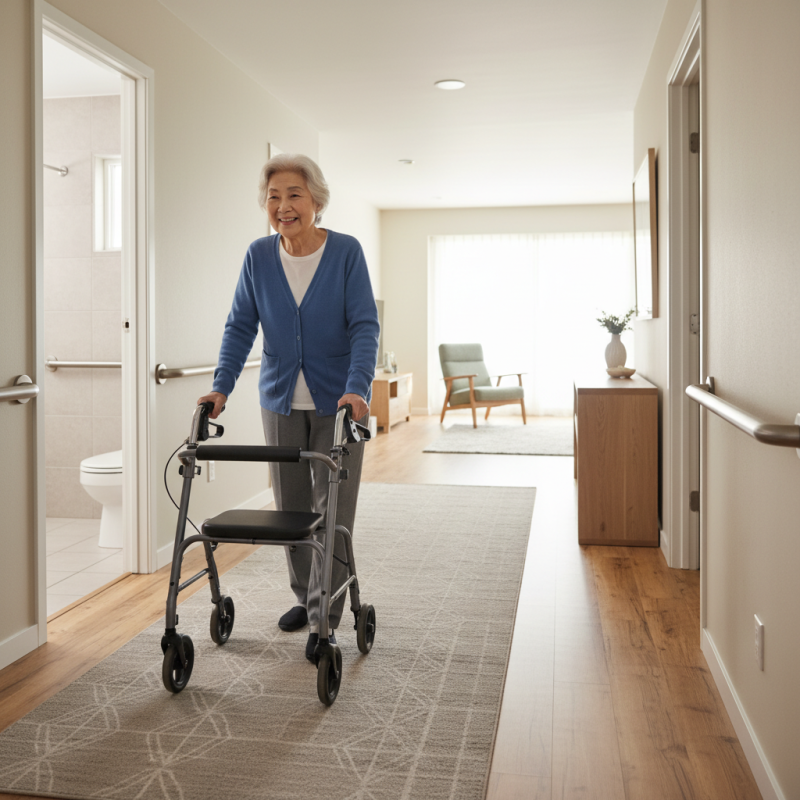
When setting up their home, prioritize accessibility. Arrange furniture to create clear pathways. Install handrails in hallways and staircases. This simple adjustment can prevent falls. Use non-slip mats to enhance safety in bathrooms. These features contribute to a more secure environment.

Encourage the use of mobility aids. Walkers, canes, or grab bars can significantly enhance independence. However, ensure that any aid is suitable for their specific needs. Frequent reassessment of their situation is vital. Adapt the environment as their condition changes. Listening to feedback will help identify any new challenges they may face.

Creating a Safe and Accessible Living Environment for Seniors

Creating a safe and accessible living environment for seniors involves thoughtful adjustments. Simple changes can dramatically improve mobility. Start by removing tripping hazards. Tidy up clutter and secure loose rugs. These small steps matter.

Install grab bars in bathrooms. They provide essential support for getting in and out of the shower or toilet. Ensure pathways are well-lit. Use LED lighting to brighten dark corners. Strong lighting helps prevent falls. Consider using motion-sensor lights for added safety.

Furniture placement also plays a crucial role. Ensure that chairs and tables are easy to navigate around. A clear space allows for smoother movement. Always reflect on these choices. What works today might need adjusting tomorrow. Regular evaluations can foster a more accommodating home.

Implementing Assistive Devices and Mobility Aids for Home Use

Mobility challenges are common among elderly patients. According to data from the World Health Organization (WHO), over 6% of seniors globally struggle with mobility issues. Implementing assistive devices can make a significant difference in their daily lives.

One effective approach is using mobility aids. These devices range from canes to walkers and wheelchairs. They provide essential support, enhancing balance and stability. A study from the American Academy of Orthopaedic Surgeons reveals that 68% of older adults feel more confident using mobility aids at home. This is crucial for preventing falls, which can lead to serious injuries.

Consider incorporating grab bars in critical areas like bathrooms. They offer stability when getting in and out of the shower. Non-slip mats can also reduce the risk of slipping. Another tip involves ensuring furniture is arranged to create clear pathways. This minimizes obstacles that can lead to discomfort or accidents. By promoting a safer home environment, we can empower elderly patients to maintain their independence.

10 Essential Tips to Assist Elderly Patients with Mobility at Home - Implementing Assistive Devices and Mobility Aids for Home Use

Tip Number Tip Description Assistive Device/ Aid Benefits
1 Ensure clear paths free of obstacles N/A Reduces fall risk
2 Use non-slip mats Non-slip mat Enhances stability
3 Install grab bars in bathrooms Grab bars Support during transitions
4 Provide well-lit environments LED lights Improves visibility
5 Use mobility scooters for longer distances Mobility scooter Promotes independence
6 Use walkers for added support Walker Increases balance
7 Encourage the use of canes Cane Enhances mobility
8 Install stairlifts for multi-level homes Stairlift Facilitates access
9 Use shower chairs for bathing Shower chair Enhances safety
10 Encourage daily physical activity N/A Maintains strength and flexibility

Encouraging Physical Activity and Exercise for Improved Mobility

Encouraging physical activity is crucial for elderly patients facing mobility challenges. Engaging in regular exercises can boost strength and balance. Simple activities like walking or gentle stretching can make a significant difference. It's essential to tailor these exercises to each individual's ability. Older adults may not be open to vigorous routines.

Incorporating fun activities is vital. Dancing to favorite songs or gardening can encourage movement without feeling like exercise. Group activities can also foster social connections, improving mental well-being. However, some may feel hesitant or insecure. It's important to support them gently and acknowledge their fears.

Creating a safe environment is key. Remove obstacles and ensure proper lighting. Providing assistive devices, like grab bars, can help promote independence. Remember, progress may be slow. Celebrate small achievements to keep motivation high. Listening to their feedback can help refine the activities. Each effort can lead to gradual improvements in mobility and overall quality of life.

Establishing a Support System for Elderly Patients and Caregivers

Building a strong support system for elderly patients and caregivers is crucial. It can significantly enhance mobility and overall well-being. Family members should be active participants in care. They can help with daily tasks or provide emotional support. This involvement makes a difference in the patient's experience.

Professional help is also valuable. Home health aides can assist with specific needs, like physical therapy. They bring expertise and confidence. Additionally, local community resources can provide classes or workshops. Caregiver support groups offer a chance to connect with others facing similar challenges.

Communication is essential among all parties involved. Regular check-ins can help identify changes in the patient's condition. These moments not only provide updates but can also foster deeper connections. It's important to reflect on the effectiveness of the support system. Adjustments may be necessary as needs evolve over time. Observing how patients respond to different forms of assistance can guide improvements.

Mobility Assistance Tips for Elderly Patients

FAQS

: Why is assessing mobility needs important for elderly patients?

: Assessing mobility needs helps create a safe and comfortable environment tailored to individual requirements.

What factors should be evaluated for home setup?

Consider strength, balance, and endurance. Observe how they move in their space.

How can accessibility be prioritized in a home?

Arrange furniture to create clear pathways and install handrails in key areas.

What safety features should be included in bathrooms?

Use non-slip mats and install grab bars for support. Proper lighting is essential too.

Why is it important to use mobility aids?

Mobility aids like walkers or canes enhance independence but must match individual needs.

How often should the home environment be reassessed?

Frequent reassessment is vital as conditions can change over time.

What role do family members play in supporting elderly patients?

Family involvement in daily tasks and emotional support can improve patient experience.

How can professional help benefit elderly patients?

Home health aides can address specific needs and provide expertise in mobility assistance.

Why is communication important in a support system?

Regular check-ins help identify changes and strengthen connections among caregivers and patients.

What should caregivers reflect on regarding their support system?

Observing patient responses helps guide adjustments to improve their support as needs evolve.

Conclusion

The article "10 Essential Tips to Assist Elderly Patients with Mobility at Home" provides valuable insights on how to assist elderly patients with mobility at home. It emphasizes the importance of assessing the specific mobility needs of seniors to tailor their living environment accordingly. Creating a safe and accessible space involves removing obstacles and ensuring that necessary modifications are made for ease of movement.

Additionally, the article discusses the implementation of assistive devices and mobility aids, which can significantly enhance the independence of elderly patients. Encouraging regular physical activity and exercise is also highlighted as a means to improve mobility. Lastly, establishing a robust support system for both elderly patients and their caregivers is crucial in ensuring ongoing assistance and emotional support, ultimately contributing to better overall health and well-being.

Charlotte

Charlotte

Charlotte is a seasoned marketing professional with a deep understanding of the company's portfolio and a passion for elevating its presence in the market. With a keen eye for detail and a commitment to excellence, she ensures that our professional blog is regularly updated with insightful articles......