Choosing the right nursing bed is crucial for both caregivers and patients. One significant aspect of healthcare is ensuring comfort and safety. According to industry reports, nearly 70% of patients require some form of assistance in their daily activities. This highlights the importance of having a reliable nursing bed. But, what features should a nursing bed have to cater to these needs?
A well-designed nursing bed can drastically improve patient care. Key features like adjustable height, side rails, and pressure-relief mattresses enhance the overall experience for users. Research shows that beds with these attributes reduce the risk of bedsores by over 30%. Additionally, integrated mobility aids are vital for assisting patients during transfers. However, not all beds offer adequate support or ease of use. It’s essential to reflect on the specific needs of each patient to choose wisely.
Ultimately, a nursing bed should not only prioritize medical requirements but also focus on comfort and practicality. This balance is crucial for both patient outcomes and caregiver efficiency. In a landscape where healthcare settings are evolving, understanding these essential features can help enhance quality of care.
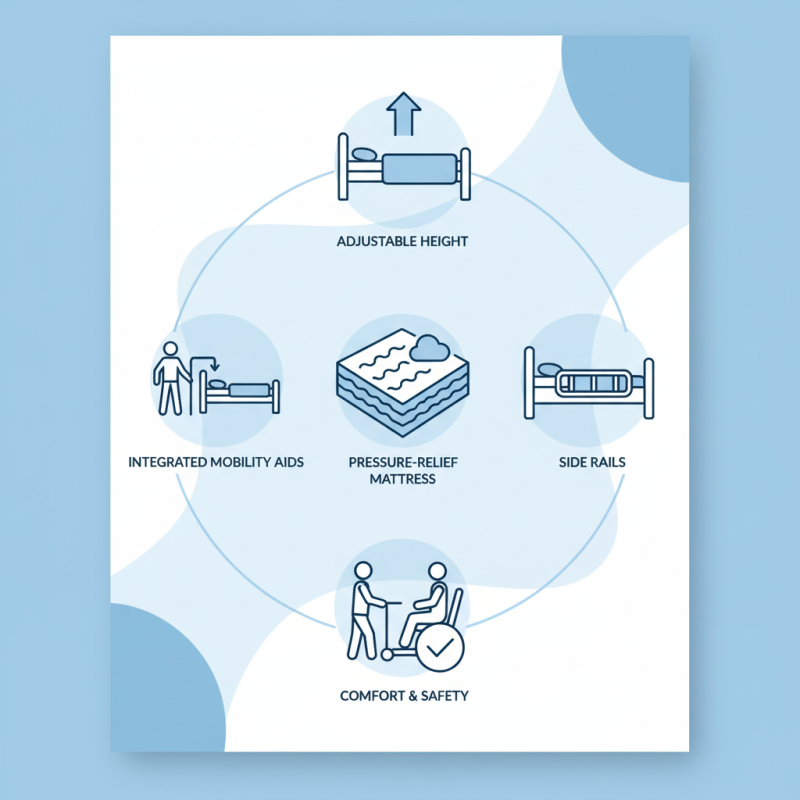
Essential Features for Comfort and Support in Nursing Beds
When selecting a nursing bed, comfort and support are vital. These beds must cater to various health needs. A study from the National Institute of Health indicates that quality beds can reduce pressure ulcers by 40%. This statistic highlights the importance of functionality in bed design.
Adjustability is a key feature. Many nursing beds allow for head and foot elevation. This adjustment promotes better circulation and respiration. Furthermore, a height-adjustable bed benefits caregivers. It minimizes strain during patient transfers, making care easier.
Material quality is also significant. A bed with breathable fabric reduces moisture accumulation. This can help prevent skin breakdown. Additionally, supportive mattresses contribute to patient comfort, essential for healing. According to healthcare experts, an appropriate mattress can enhance sleep quality significantly. The focus should remain on individual needs, as not all beds meet everyone’s requirements. Failing to address these needs may lead to discomfort or complications.
Essential Features of a Nursing Bed for Your Needs
| Feature |
Description |
Benefits |
| Adjustable Height |
Allows users to change the bed height easily |
Facilitates easier transfers and reduces the risk of falls |
| Side Rails |
Safety rails that can be raised or lowered |
Helps prevent falls and provides support when getting in or out of bed |
| Mattress Quality |
High-quality foam or gel mattresses designed for comfort |
Provides better support, reduces pressure sores, and increases comfort |
| Weight Capacity |
Maximum weight limit specified by the manufacturer |
Ensures safety and durability based on user's weight |
| Mobility Features |
Wheels or casters for easy movement |
Allows caregivers to reposition the bed with ease |
| Trendelenburg Position |
Ability to tilt the bed to a head-down position |
Useful for certain medical conditions and enhancing circulation |
Adjustable Mechanisms: Understanding Height and Angle Configurations
Adjustable mechanisms in nursing beds are critical for patient comfort and care. Reports indicate that 70% of healthcare professionals believe proper adjustment capabilities reduce strain during patient handling. Height adjustment allows caregivers to position patients easily without bending or stretching. This feature is vital for preventing injuries among nurses and promoting efficient workflow.
Angle configurations are equally important. A bed with adjustable angles can enhance patient comfort, drastically improving their recovery experience. Studies show that patients often report a 30% increase in satisfaction when their beds can be tilted to their preferred positions. It fosters better circulation and eases pressure on sensitive areas.
However, not all adjustable beds are created equal. Some models may lack stability or require excessive effort to adjust. Users must consider this before making a choice. Evaluating the ease of adjustments and stability is essential to ensure safety and effectiveness in care. It's a challenge that needs addressing, highlighting the importance of careful selection based on needs and features.
Essential Features of a Nursing Bed for Your Needs
Material Choices: Evaluating Durability and Hygiene Standards
When choosing a nursing bed, material selection is crucial. The right materials ensure both durability and hygiene, two aspects vital for patient care. Metal frames are known for their strength. They can bear significant weight without bending or breaking. Wood, while aesthetically pleasing, may not always meet the same durability standards. Different types of plastics are also used. They are lightweight but can show wear and tear over time.
Hygiene is another critical concern. Materials should be easy to clean and disinfect. Stainless steel is often preferred due to its resistance to corrosion and staining. Upholstered surfaces can provide comfort but require careful maintenance. Regular cleaning can be a hassle, especially in high-use environments. Assessing the material’s resistance to bacteria is essential, too. Some fabrics are treated with antimicrobial agents. These features can help to combat the spread of infections.
Cost should be weighed against these factors. A cheaper option may not offer long-term benefits. Prioritizing quality materials can save money in maintenance later. Finding a balance between cost, durability, and hygiene requires thoughtful consideration. Each choice impacts patient care directly. A nursing bed should not only support physical well-being but also contribute to a hygienic healing environment. Attention to material choices is the first step in achieving that goal.
Safety Features: Importance of Side Rails and Anti-Slip Surfaces
When selecting a nursing bed, safety features are paramount.
Side rails serve a critical role in preventing falls. They provide a secure barrier, ensuring that patients don’t accidentally roll off the bed. This is especially important for those with limited mobility or cognitive impairments. Side rails come in various heights and styles, offering flexibility depending on individual needs. However, it’s essential to assess how these rails might affect a patient’s independence.
Anti-slip surfaces are equally vital. A bed with a textured surface can prevent slips during repositioning. This feature promotes comfort and safety, especially for patients who may need assistance. Still, not every anti-slip solution works for all environments. Consideration must be given to how patients interact with the bed. Some might find too much grip uncomfortable, while others may need additional stability. Balancing these aspects can be challenging but is necessary for optimal care.
Technological Integrations: Smart Beds and Monitoring Systems
In recent years, technological advancements have transformed nursing beds into essential components of patient care. Smart beds equipped with monitoring systems allow healthcare professionals to track vital signs continuously. According to a report by the Global Market Insights, the market for smart beds is expected to reach over $5 billion by 2025, indicating a significant shift towards technology integration in healthcare settings.
These smart beds also enhance patient comfort. For instance, they can adjust positions with just a touch, reducing the risk of pressure sores. A study published in the Journal of Nursing Research found that beds with automated features decreased the incidence of pressure ulcers by 43%. However, reliance on technology can present challenges. Systems may malfunction or require updates, which complicates their usage in critical moments. Thus, training caregivers on the use of these beds is crucial.
Additionally, monitoring systems can alert nurses about changes in a patient's condition. This real-time data feeds into hospital databases, aiding in better decision-making. Yet, privacy concerns loom large as more data gets collected. Maintaining patient confidentiality is essential amidst this data-driven approach. Balancing innovation with ethical considerations is vital for the future of nursing beds and patient care.
FAQS
: Side rails help prevent falls, providing a secure barrier for patients with mobility issues.
Side rails can limit movement, potentially impacting how independent a patient feels.
Anti-slip surfaces reduce slips during repositioning, enhancing patient comfort and safety.
No, some patients may find certain anti-slip textures uncomfortable or need varying levels of grip.
Smart beds now track vital signs and can adjust positions automatically for better patient care.
Technology can malfunction, making it essential to train caregivers effectively on their usage.
They can reduce pressure sore incidents significantly, allowing for better patient comfort.
Increased data collection raises issues about maintaining patient confidentiality, which is crucial.
Yes, technology can enhance patient care but needs careful management to avoid complications.
They must ensure proper training and maintain a strong focus on patient comfort and safety.
Conclusion
When considering what features should a nursing bed have, it’s essential to focus on comfort and support to meet patient needs. Adjustable mechanisms are crucial, allowing for customizable height and angle configurations that facilitate mobility and care. Additionally, the choice of materials plays a significant role in ensuring both durability and hygiene, important factors in a medical setting.
Safety features, such as side rails and anti-slip surfaces, are vital for preventing falls and ensuring patient security. Furthermore, modern nursing beds often incorporate technological integrations like smart systems and monitoring tools, which enhance patient care through real-time tracking of health metrics. By addressing these key elements, caregivers can ensure that nursing beds provide optimal support and safety for those in need.

 Tucson Medical