Enhancing patient comfort in long-term care settings is crucial for improving quality of life. Many residents face physical and emotional challenges. Understanding how to improve patient comfort during long-term care involves creating a supportive environment that meets their needs.
Staff training plays a significant role. Caregivers need to be empathetic and attentive. They should learn to recognize signs of discomfort. Residents often appreciate small gestures, such as a warm blanket or a friendly conversation. These details matter deeply to their well-being.
Implementing personalized care plans can also help. Each resident has unique preferences and needs. Their backgrounds influence what makes them feel at ease. Regular feedback from residents is essential. It can guide improvements. However, some facilities may struggle to make these changes consistently. This requires ongoing commitment and reflection on care practices.
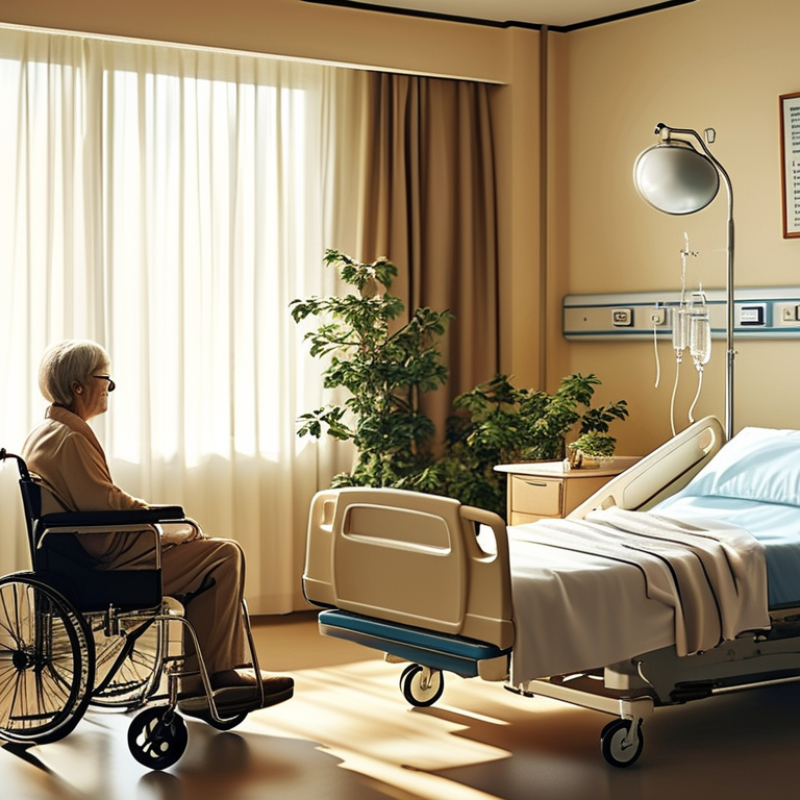
In long-term care settings, patient comfort is paramount. Studies indicate that nearly 75% of residents experience discomfort, impacting their overall wellbeing. Comfort influences healing, mental health, and even social interactions. When patients feel at ease, their anxiety decreases, leading to better health outcomes.
Creating a comfortable environment involves various factors. Ensure adequate lighting and personalize rooms with familiar items. Comfortable furniture also plays a significant role. A study showed that well-designed spaces can improve mood and reduce stress levels. Simple changes, like adjusting room temperatures and providing cozy blankets, can enhance overall satisfaction.
Tips for enhancing comfort include fostering a sense of community. Facilitate regular social activities that allow residents to connect. Regular check-ins can make residents feel valued. Listening to their needs and preferences is vital. Providing choices in daily routines can empower residents. Recognizing that comfort is both physical and emotional is essential for better care. This understanding can lead to adjustments that significantly improve residents' quality of life.
Patient comfort in long-term care is influenced by various key factors. One essential element is the physical environment. Research indicates that a well-designed space can significantly enhance comfort levels. For instance, natural light and private rooms contribute substantially to residents' overall well-being. A study by the Center for Applied Research in Dementia found that environments with ample sunlight reduced agitation in patients by up to 50%.
Emotional and psychological support also play crucial roles. Staff training focused on empathy and communication is vital. According to the Journal of Gerontological Nursing, facilities that prioritize staff-patient interaction report higher satisfaction scores. However, many caregivers still struggle with consistent engagement, reflecting the need for ongoing training. Personal connections within healthcare settings can profoundly impact comfort levels, yet this area often lacks sufficient focus.
Moreover, clinical care quality cannot be overlooked. Consistent monitoring of health conditions and personalized care plans are essential. Data from the National Institute on Aging highlights that proactive measures can improve patient outcomes and comfort. Unfortunately, many facilities still operate under reactive protocols, overlooking the potential for better patient experiences. These gaps highlight ongoing challenges in achieving optimal comfort in care settings.
| Factor | Description | Impact on Comfort | Importance Level (1-5) |
|---|---|---|---|
| Personalized Care | Tailoring care plans to individual needs and preferences. | Increases satisfaction and reduces anxiety. | 5 |
| Environmental Comfort | Creating a warm and welcoming physical environment. | Promotes relaxation and well-being. | 4 |
| Social Interaction | Encouraging social activities among residents. | Fosters companionship and reduces feelings of isolation. | 4 |
| Pain Management | Providing effective methods for pain relief. | Directly relates to physical comfort and quality of life. | 5 |
| Staff Training | Enhancing caregiver skills in communication and empathy. | Improves patient-staff interactions and trust. | 5 |
Physical comfort is essential for residents in long-term care settings. Many factors contribute to comfort, including the quality of bedding and room temperature. Soft linens and supportive mattresses help ease pressure points, allowing for better sleep. Adjusting the thermostat can create a more pleasant environment. Each resident may have different preferences, so personalizing their space is crucial.
Movement also plays a significant role in comfort. Encouraging gentle physical activity can reduce discomfort from stiffness. Simple exercises or stretching, tailored to individual abilities, can enhance mobility and comfort. Care staff should be trained to assist residents with these activities, ensuring they feel safe and supported.
Additionally, communication is vital. Regularly checking in with residents about their comfort needs fosters trust. Some residents may feel hesitant to express discomfort. Open conversations can lead to better care outcomes. Remedying minor issues promptly can prevent larger discomforts later. Caregivers should approach this with empathy and attentiveness, creating a more reassuring atmosphere for all.
Enhancing emotional and psychological well-being in long-term care settings is critical. Studies show that up to 60% of residents experience depression, greatly affecting their health. Small changes can significantly improve their mental outlook. Simple activities like group games or art therapy boost happiness. Creating a vibrant, engaging environment fosters connection among residents.
Tips: Encourage social interactions. Organize regular group activities to build community. Consider pet therapy. Animals can reduce stress and loneliness.
Regular screenings for mental health are vital. Staff should be trained to recognize signs of emotional distress. Open communication helps residents express their needs. Caregivers can use personalized approaches to make each resident feel valued. This tailored care improves their overall well-being and builds trust.
Tips: Make time for one-on-one conversations. Listening to residents can provide insights into their emotional state. Small gestures, like remembering their favorite hobby, can make a large difference. Fostering a culture of empathy supports better mental health outcomes.
In long-term care settings, incorporating personal preferences and autonomy in care plans is vital. Research indicates that when patients have a say in their care, their overall satisfaction improves significantly. According to a 2022 report by the National Institute on Aging, 75% of residents felt more comfortable when their preferences were acknowledged. This autonomy fosters a sense of control, which is essential for mental well-being.
Moreover, understanding individual needs can lead to better health outcomes. A study by the Agency for Healthcare Research and Quality found that personalized care plans can reduce hospital readmissions by 20%. However, not all facilities take the time to engage residents in meaningful conversations about their preferences. An alarming 40% of caregivers reported feeling untrained in how to facilitate these discussions effectively. This gap highlights the need for ongoing education and reflection within the caregiving community.
Implementing tailored care plans requires a consistent effort. Facilities must create an environment where residents can express their desires openly. While some caregivers excel in this area, others struggle to find the right approach. Balancing patient autonomy with clinical guidelines presents challenges. Each interaction is a learning opportunity to enhance care delivery and improve patient comfort.
: Key factors include the physical environment, emotional support, and the quality of clinical care.
A well-designed space with natural light and privacy significantly enhances comfort levels for residents.
Training focused on empathy and communication is crucial for improving staff-patient interactions and satisfaction.
Simple activities like group games or pet therapy can significantly enhance happiness and reduce loneliness.
When patients' preferences are acknowledged, their satisfaction and sense of control increase, improving mental well-being.
Many caregivers report feeling untrained to facilitate discussions about residents' preferences, leading to care gaps.
These screenings enable staff to identify emotional distress and ensure timely support, improving overall well-being.
One-on-one conversations and small gestures, like remembering hobbies, can make residents feel valued and heard.
Not all facilities engage residents in meaningful conversations about their preferences, affecting overall care quality.
By creating an environment for open expression and balancing autonomy with clinical guidelines, comfort levels can rise.
Enhancing patient comfort in long-term care settings is crucial for improving the quality of life for residents. Understanding the importance of patient comfort involves recognizing how it directly impacts both physical and emotional well-being. Key factors influencing patient comfort include environmental conditions, staff interaction, and the availability of personalized care.
To improve patient comfort during long-term care, care providers can adopt several strategies. Focusing on physical comfort through appropriate bedding, temperature control, and pain management is essential. Additionally, enhancing emotional and psychological well-being can be achieved by fostering supportive relationships and providing mental health resources. Importantly, incorporating personal preferences and promoting autonomy in care plans empower residents, ensuring their individual needs and desires are respected. This comprehensive approach not only enhances patient satisfaction but also contributes to a more positive care environment.

Tucson Medical