How to Enhance Patient Comfort in Long Term Care Settings?

Time:2026-05-01 Author:Oliver
0%

In long-term care settings, enhancing patient comfort is crucial. A recent study by the National Center for Health Statistics reveals that about 1.4 million people reside in nursing homes across the United States. Comfortable environments are vital for their well-being. Understanding how to improve patient comfort during long-term care can significantly impact health outcomes.

Comfort includes physical, emotional, and social aspects. Research indicates that patient satisfaction increases when care settings prioritize comfort measures. For instance, a report by the Agency for Healthcare Research and Quality highlights that small changes, like personalized room settings and engaging activities, can lead to higher satisfaction rates among residents. These insights demonstrate the importance of addressing various comfort factors.

However, many facilities still struggle with implementing effective strategies. Some overlook the role of small details, such as room scent or temperature. This can lead to discomfort and dissatisfaction among patients. The challenge remains for care providers to find a balance between institutional needs and individualized care approaches. It's essential to reflect on current practices and strive for improvement.
How to Enhance Patient Comfort in Long Term Care Settings?

Strategies for Improving Physical Comfort in Long Term Care Facilities

Enhancing physical comfort in long-term care facilities is vital. Small changes can make a significant difference in residents' lives. Comfortable furniture is essential. Adjustable beds and supportive chairs provide better rest. Soft, warm blankets can improve the feeling of security.

Temperature control matters. Residents should have the ability to adjust their room temperature. Too hot or too cold can cause discomfort. Natural light can also enhance comfort. Well-lit rooms with large windows can uplift spirits.

Staff training is crucial, too. Caregivers need to be aware of individual comfort preferences. Listening to residents can lead to better care. Regular assessments of comfort levels are essential. Facilities should not overlook this aspect. Improvements should be ongoing rather than one-time efforts.

How to Enhance Patient Comfort in Long Term Care Settings? - Strategies for Improving Physical Comfort in Long Term Care Facilities

Comfort Strategy Description Benefits Implementation Tips
Personalized Room Setup Allowing residents to arrange their living space according to their preferences. Enhanced sense of ownership and comfort. Provide options for personal items and decorations.
Comfortable Furniture Utilizing ergonomic and supportive furniture. Reduction of pain and discomfort. Regularly assess and update furniture based on resident feedback.
Temperature Control Ensuring the room temperature is comfortable for residents. Improved relaxation and well-being. Monitor temperature preferences and adjust heating/cooling systems accordingly.
Quiet Zones Designating areas for quiet and relaxation. Reduced anxiety and stress levels. Create signs and guidelines for using these spaces effectively.
Routine Assessment of Needs Regularly checking in with residents about their comfort levels. Proactive identification of issues and timely solutions. Implement structured feedback mechanisms or surveys.

Importance of Emotional Well-Being in Patient-Centered Care Models

Emotional well-being is crucial in patient-centered care models, especially in long-term care settings. Patients often face loneliness and anxiety, which can hinder their recovery. Nurses and caregivers play a key role in meeting emotional needs. When they listen actively and show empathy, it builds trust. This trust allows patients to express their feelings and fears.

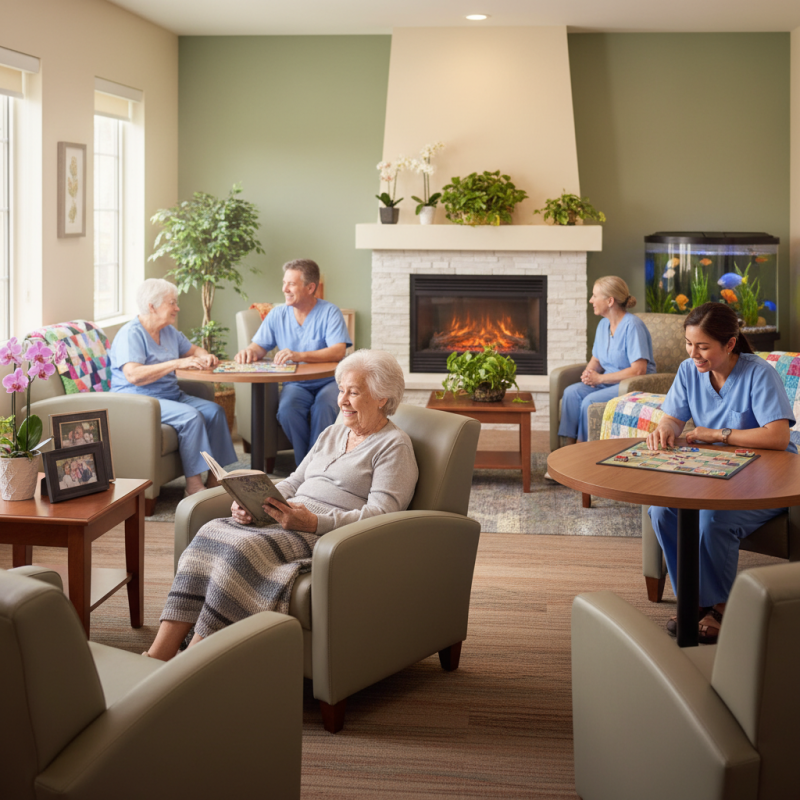
Tips for enhancing emotional well-being include creating a positive environment. Soft lighting, comfortable seating, and family pictures can make a space feel welcoming. Simple gestures like a warm smile can greatly impact a patient's mood. Regular activities that promote social interaction, such as group games or arts and crafts, can also help alleviate feelings of isolation.

Moreover, staff should receive training on recognizing signs of emotional distress. When caregivers are aware of these signs, they can provide timely support. Frequent check-ins and open communication foster a culture of trust. Integrating these practices into daily routines not only improves emotional well-being but also enriches the overall care experience.

Enhancing Patient Comfort in Long Term Care Settings

Utilizing Technology to Enhance Patient Interaction and Care Experience

Technology plays a vital role in enhancing patient comfort in long-term care settings. Interactive systems, such as touch screens, allow patients to engage with their health information easily. According to a 2022 report from the Center for Connected Health Policy, over 70% of older adults prefer using tech to manage their healthcare. These systems can provide immediate feedback and support, leading to a sense of autonomy and control over one’s health.

Telehealth solutions have emerged as a game-changer. They enable remote consultations, reducing anxiety related to in-person visits. A recent study noted that telehealth usage among elderly patients doubled during the pandemic, highlighting its effectiveness in improving access to care. However, disparities in technology access raise concerns. About 30% of older adults do not own smartphones or tablets, impacting their ability to utilize these benefits fully.

Moreover, wearable devices can monitor vital signs in real time. They help caregivers respond quickly to health changes. However, these devices sometimes lead to feelings of surveillance among patients. Balancing technology use with human interaction is essential. Establishing trust and comfort remains crucial in providing quality care in long-term settings. As we embrace new tools, we must reflect on our approach to ensure no one is left behind in the digital age.

Best Practices for Creating a Supportive Environment in Care Settings

Creating a supportive environment in long-term care settings is crucial for enhancing patient comfort. A warm atmosphere can ease anxiety and promote healing. Personal touches, like familiar photos and plants, can make spaces feel more inviting. Staff training in empathy and communication is equally important. Caring interactions can turn routine tasks into meaningful experiences for residents.


Another vital aspect is attention to sensory needs. Soft lighting and calming sounds can minimize stress. Consider using scents like lavender, which might create a serene ambiance. However, not all scents suit everyone, requiring staff to be vigilant and adaptable.

Regular feedback sessions with residents can also help identify comfort issues. Their input reinforces a sense of agency, allowing for individual preferences to shape care environments.


Hygiene and cleanliness are non-negotiable. Yet, overly sterile environments can feel cold and unwelcoming. Balancing cleanliness with warmth is key. Allowing decor that reflects the residents’ histories may create a sense of belonging. Regularly evaluating the impact of changes implemented can guide future improvements. Understanding that enhancements may not suit everyone is essential for continuous growth in care practices.

Staff Training and Development for Promoting Patient Comfort and Satisfaction

Promoting patient comfort in long-term care settings is essential. Staff training plays a critical role in this process. Well-trained staff can identify individual patient needs. They learn to communicate effectively and show empathy. These skills help create a warm environment. Engaging in regular training sessions fosters confidence in staff members. They feel empowered to address patients' concerns.

Incorporating feedback from patients is vital. Staff should understand that comfort is subjective. Some might prefer quiet surroundings, while others seek companionship. Training should include real-life scenarios. Role-playing can help staff practice responsiveness. Reflecting on past experiences can also improve their skills. It is important for staff to recognize that they will face challenges. Not every situation will lead to immediate satisfaction. Learning from these moments enhances future care.

Ongoing development is necessary for maintaining high standards. Encouraging a culture of continuous improvement supports staff growth. Workshops and peer discussions can be beneficial. Sharing successes and challenges fosters teamwork. Ultimately, the goal is to ensure patients feel valued and respected. Better-trained staff equate to a higher level of comfort for residents.

FAQS

: Why is physical comfort important in long-term care facilities?

: Physical comfort significantly impacts residents' well-being and quality of life.

How can furniture improve comfort in care settings?

Comfortable furniture, like adjustable beds and supportive chairs, enhances rest and relaxation.

What role does temperature control play in comfort?

Allowing residents to adjust their room temperature can prevent discomfort from being too hot or cold.

How can lighting affect residents' comfort levels?

Natural light in well-lit rooms can uplift spirits and contribute to overall comfort.

Why is staff training crucial for improving patient comfort?

Trained staff can recognize individual needs and communicate effectively, enhancing residents' experiences.

How can personal touches create a supportive environment?

Familiar photos and plants can make spaces feel inviting and help reduce anxiety.

What is the importance of feedback from residents?

Regular feedback allows facilities to address comfort issues and adapt to individual preferences.

How can hygiene be balanced with warmth?

While cleanliness is essential, overly sterile environments may feel cold and uninviting.

What challenges do staff face in promoting patient comfort?

Not every situation leads to immediate satisfaction, and learning from challenges is part of growth.

How can continuous development benefit staff and residents?

Ongoing training and teamwork create a culture of improvement, leading to higher resident comfort levels.

Conclusion

In addressing how to improve patient comfort during long-term care, a multifaceted approach is essential. Strategies include enhancing physical comfort through appropriate accommodations and personalized care plans, which can significantly affect the overall well-being of patients in these settings. Additionally, recognizing the importance of emotional well-being is crucial; fostering a patient-centered care model that prioritizes emotional support can lead to improved satisfaction and quality of life for residents.

Utilizing technology also plays a vital role in enhancing patient interaction and care experiences, allowing for improved communication and engagement. Establishing best practices to create supportive environments, alongside comprehensive staff training and development programs, ensures that caregivers are equipped to promote patient comfort and satisfaction effectively. By integrating these strategies, long-term care facilities can significantly enhance the comfort and quality of life for their residents.

Oliver

Oliver

Oliver is a seasoned marketing professional with a wealth of expertise in driving brand awareness and engagement. With a deep understanding of our company's product offerings, he consistently delivers high-quality content that enriches our professional blog. His insights not only shed light on......