In the healthcare sector, furniture durability is vital. Healthcare facilities require furniture that can withstand frequent use and constant cleaning. This necessity leads us to explore how to ensure durability in medical furniture. The right materials and construction methods play a significant role in longevity.
Consider medical chairs that face rigorous daily use in various environments. High-quality upholstery and sturdy frames can make a difference. Selecting furniture designed specifically for healthcare settings ensures it meets both functional and hygienic standards.
However, even the best choices can fall short over time. Frequent maintenance and appropriate cleaning methods are crucial. Regular inspections can help identify wear and tear before it becomes serious. By focusing on these aspects, we can better ensure durability and reliability in medical furniture, promoting a safe environment for both patients and staff.
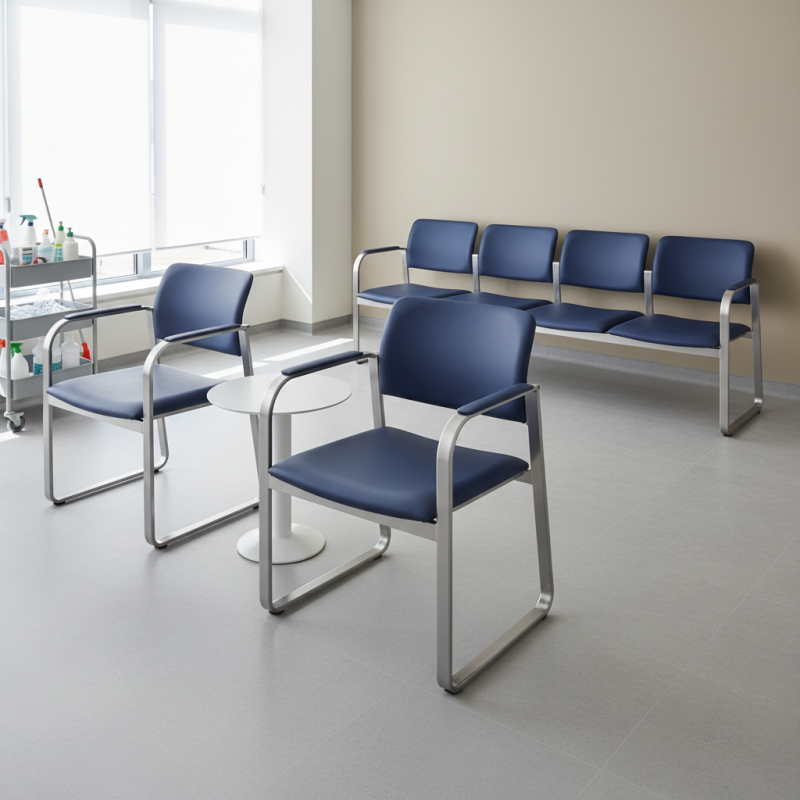
Durability in medical furniture is influenced by several critical factors. One key aspect is the choice of materials. High-quality materials resist wear and tear over time. For instance, metal frames often last longer than plastic ones. Upholstery must also be durable. For frequent use, fabrics should resist stains and tears. This choice directly impacts the furniture's longevity.
Another important factor is the construction technique. Well-engineered joints and robust assembly methods enhance strength. However, some manufacturers may overlook these details to cut costs. This can lead to early failures. Regular maintenance also plays a role. Periodic inspections help identify weaknesses before they lead to bigger issues. Inconsistent care can shorten the lifespan of even the best furniture.
Environmental conditions can affect durability as well. Humidity and temperature fluctuations may weaken materials over time. In some facilities, furniture faces harsh cleaning agents, which can degrade surfaces. Understanding these elements is essential for ensuring long-lasting use. Careful selection and ongoing attention to these factors can make a significant difference.
Selecting the right materials is crucial for durability in medical furniture. Healthcare environments demand furniture that withstands daily use, heavy loads, and frequent cleaning. High-quality plastics, metals, and woods are often preferred for their strength and longevity. Wood, while aesthetically pleasing, may require additional treatments to resist scratches and stains.
Many facilities overlook the importance of finish options. Choosing a non-toxic, easy-to-clean finish can prolong furniture life significantly. For example, powder-coated metals resist corrosion, making them suitable for hospital environments. Some plastics offer resistance to chemicals, which is vital in medical settings. Durability also involves considering ergonomic design, ensuring that furniture remains functional over time.
Maintenance protocols are often neglected. Regular checks on furniture integrity can prevent early degradation. However, facilities might not budget for these inspections. This oversight can lead to unexpected costs down the line. Balancing aesthetics, functionality, and durability is a challenge for many healthcare providers, but essential for ensuring that medical furniture is reliable over years of use.
| Material Type | Durability Rating | Maintenance Requirements | Common Applications |
|---|---|---|---|
| Stainless Steel | Excellent | Low, requires regular cleaning | Surgical tables, equipment carts |
| Laminate | Good | Moderate, clean with mild detergents | Workstations, cabinets |
| Wood | Fair | High, requires refinishing and polishing | Desks, chairs |
| Plastic | Fair | Low, easy to clean | Chairs, privacy screens |
| Upholstered Fabrics | Good | Moderate, periodic cleaning required | Patient chairs, lounges |
When considering the durability of medical furniture, design plays a crucial role. Materials should be chosen carefully. High-grade metals and hardwoods are often more durable than traditional materials. These choices resist wear and tear in high-traffic medical environments. For instance, surfaces should be non-porous to simplify cleaning and prevent bacterial growth. Additionally, selecting upholstery that withstands regular disinfecting helps maintain both functionality and appearance over time.
Tips: Look for furniture with reinforced joints and seams. Reinforced structures provide added strength and stability. Avoid overly complex designs that might trap dirt or become difficult to clean. Simplicity often leads to longevity.
Another important design consideration involves mobility. Furniture should have wheels that lock securely. This feature allows for easy repositioning while ensuring safety during patient use. Ergonomics is equally important. Designs should accommodate various body types and promote comfort, helping to reduce long-term wear and tear.
Tips: Assess weight limits for each piece. Not all furniture can handle heavy use. Regular inspections are essential to ensure continued functionality. Consider user feedback; their experiences can highlight necessary improvements.
Maintaining medical furniture is crucial for ensuring its durability and enhancing the lifespan of essential healthcare assets. Regular cleaning is a foundational practice. Use mild disinfectants to wipe surfaces and remove contaminants without causing damage. This daily care helps avoid wear and tear, contributing to longer-lasting furniture.
Inspecting furniture for damages frequently is often overlooked. Check for loose screws, scratches, or cracks. These issues, while seemingly minor, can lead to more significant failures if not addressed promptly. Repairing minor damages immediately can prevent extensive issues later. Don't forget to train staff on these maintenance routines; their awareness plays a vital role in prolonging furniture lifespan.
Environmental factors also affect durability. Monitor humidity and temperature levels in medical facilities. Excessive moisture can damage wood, while extreme heat may warp plastics or fabrics. Find a balance to protect your investments. Reflecting on these practices can lead to better outcomes for medical environments, fostering patient safety and comfort.
Durable medical furniture plays a crucial role in maintaining a high standard of care. Evaluating the cost-benefit ratio is essential. A recent report by Healthcare Furniture Association indicates that durable furniture can last up to 15 years, compared to the 5-7 years of standard options. The initial investment may seem higher, but long-term savings are significant.
Maintenance costs decrease with durable furniture. Fewer repairs and replacements result in lower operational expenses. According to a study from the Journal of Healthcare Management, hospitals that invest in durable furniture save up to 20% in maintenance costs annually. This data underscores the importance of thoughtful purchasing decisions.
Tips: Look for materials that resist wear and tear. Consider options like antimicrobial finishes to prolong longevity. Evaluate warranties and service agreements. They provide insights into the manufacturer's confidence in their products. A reliable choice can ultimately lead to better patient experiences and lower spending.
: Key factors include materials, construction techniques, and maintenance practices.
High-quality materials resist wear and last longer. Metal frames are generally more durable than plastic ones.
Well-engineered joints and robust assembly enhance strength. Poor methods may lead to early failures.
Regular cleaning with mild disinfectants and frequent inspections for damages are essential.
Humidity and temperature changes can weaken materials. Harsh cleaning agents may also degrade surfaces.
Small issues can escalate into major failures if not addressed. Immediate repairs preserve furniture integrity.
Durable furniture lasts longer, reducing repair costs. It can save up to 20% in annual maintenance expenses.
Training staff on cleaning and inspection routines increases awareness. This can significantly prolong furniture lifespan.
Look for options that resist wear, like antimicrobial finishes. This helps ensure longer-lasting use.
Evaluating the long-term savings versus initial costs is crucial for effective purchasing. Thoughts on costs matter.
Ensuring durability in medical furniture is crucial for the longevity and functionality of healthcare environments. Several factors significantly affect durability, including the selection of high-quality materials, which should be resilient to daily wear and tear. Key considerations in design can enhance the overall lifespan of medical furniture, focusing on ergonomics, stability, and ease of cleaning. Regular maintenance practices are also vital, involving periodic inspections and timely repairs to prevent premature deterioration.
Additionally, evaluating the cost-benefit ratio of durable medical furniture is essential for healthcare facilities; investing in robust furniture not only reduces replacement costs but also enhances patient care through reliable equipment. By understanding how to ensure durability in medical furniture, institutions can create a safer and more efficient environment that meets the demands of both healthcare professionals and patients.

Tucson Medical