Home healthcare equipment offers numerous benefits that can enhance patient care at home. According to the Global Market Insights report, the home healthcare equipment market is projected to exceed $100 billion by 2027. This growth reflects a rising demand for patient-centric care and technological advancements in healthcare.
What are the benefits of home healthcare equipment? It allows patients to receive personalized care in a comfortable environment. This approach can lead to improved health outcomes and increased patient satisfaction. For instance, a study published in the Journal of Telemedicine and Telecare found that remote monitoring equipment reduced hospital readmission rates by 43%.
Despite these advantages, some challenges remain. Not all patients are familiar with the technology, which can create a barrier to effective use. Ensuring proper training and ongoing support is essential. Additionally, access to reliable equipment can be limited in rural areas. A thoughtful approach is needed to fully harness the potential benefits of this growing industry.
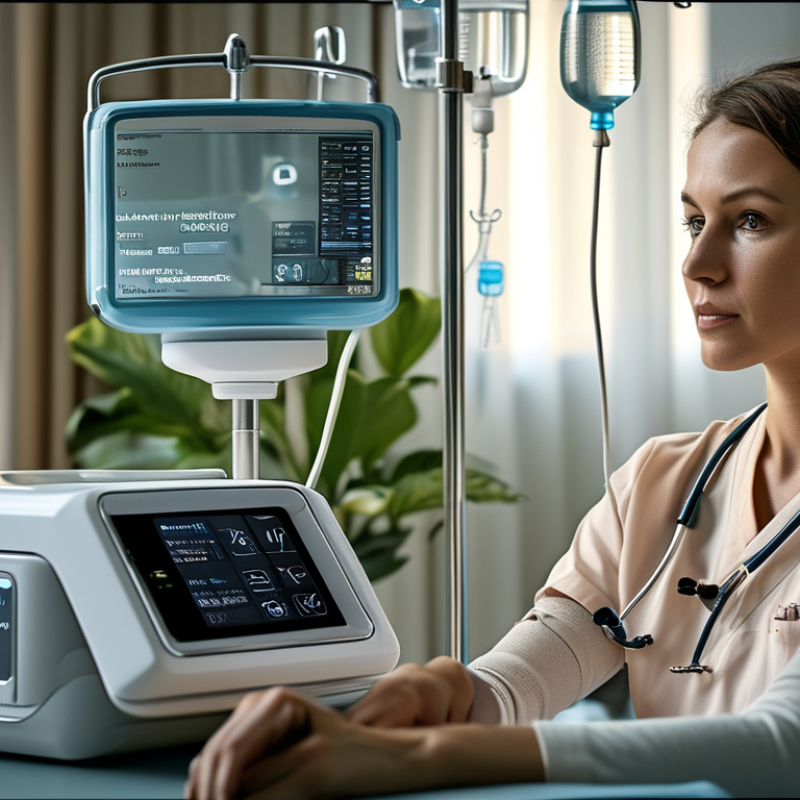
Home healthcare equipment plays a vital role in enhancing the quality of life for patients at home. These tools and devices can ensure safety, comfort, and independence for individuals with varying needs. Medical equipment such as walkers, wheelchairs, or home monitoring systems can significantly reduce the burden of care for families while supporting the recovery and well-being of patients. Understanding this equipment is crucial for both caregivers and patients alike.
Finding the right equipment requires proper knowledge and assessment of individual needs. It is essential to consult healthcare professionals who can provide insights tailored to specific medical conditions. Equipment should be evaluated based on usability, safety features, and adaptability to the home environment. Often, what seems like the perfect fit might not be ideal for every user. A trial period with selected equipment can help gauge its effectiveness and practicality.
When choosing home healthcare equipment, consider these aspects. Prioritize comfort and functionality over aesthetics. Question whether the equipment will truly serve the intended purpose. Research user reviews and testimonials; they often reveal practical insights that specifications cannot. Engaging in honest conversations with healthcare providers can also shed light on potential shortcomings of certain devices. This thoughtful approach can lead to discovering tools that genuinely meet the patient’s needs.
Home healthcare equipment encompasses a variety of tools designed to assist individuals in managing health conditions within their own homes. This can include items like mobility aids, respiratory devices, and monitoring systems, all aimed at enhancing daily living and improving quality of life. According to recent surveys, approximately 60% of older adults prefer receiving care at home rather than in facilities. This trend highlights the importance of having accessible and effective healthcare equipment.
Mobility aids such as walkers and wheelchairs are vital. They empower individuals to maintain independence while ensuring safety. For instance, the CDC reported that fall-related injuries among older adults can lead to serious health issues. Proper equipment can significantly reduce these risks. Similarly, respiratory devices, including nebulizers and CPAP machines, support those with chronic lung conditions. These devices can improve breathing and overall well-being.
While many benefits exist, there are challenges. Not all equipment is user-friendly, particularly for older adults. Learning to operate complex devices may pose a barrier. Additionally, some families face difficulty navigating insurance coverage for these items. Addressing these concerns is essential for maximizing the potential of home healthcare equipment.
Home healthcare tools provide significant advantages for patients and caregivers alike. According to a report by the Global Home Healthcare Market, the industry is projected to grow at a compound annual growth rate (CAGR) of 7.9% from 2021 to 2028. This growth highlights an increasing demand for accessible healthcare solutions. Patients who use home healthcare equipment often report enhanced independence and improved quality of life. Devices like mobility aids and monitoring systems enable seniors to manage their health in familiar surroundings.
Evaluating the benefits of these tools reveals their impact on patient outcomes. A study by the National Institute of Health found that home-based interventions reduced hospitalization rates by 25%. This reduction is not just a statistic; it exemplifies how proper equipment can avoid unnecessary medical expenses. Moreover, using these tools can lessen the burden on family caregivers, allowing them to focus on emotional support instead of just physical care. However, it's important to recognize that not every tool is right for every individual. Personalized assessment is crucial in determining the best fit for each patient's needs.
Despite the advantages, potential drawbacks exist. Some patients may feel overwhelmed by technology. Others might lack the knowledge required to use the equipment effectively. Tailored training and support can alleviate these issues. It's essential to engage healthcare professionals when considering home healthcare equipment. They can provide reliable recommendations based on a thorough assessment of individual circumstances.
Selecting the right home healthcare equipment can profoundly impact your well-being. Nearly 76% of patients benefiting from home care report improved mobility and independence. This underscores the importance of choosing tailored solutions for diverse needs. Start by assessing your specific requirements. Identify the type of support needed, whether it’s mobility aids, monitoring devices, or daily living assistance.
When evaluating options, consider the features that matter most. Look for equipment that offers ease of use and adaptability. Research indicates that 65% of users prefer devices that can be adjusted for comfort. Additionally, consulting healthcare professionals can provide valuable insights. Experts often emphasize safety and reliability as key factors in selection. It's vital to question recommendations and reflect on personal experiences.
Ultimately, gathering information and testing equipment when possible will empower better choices. Don’t overlook reviews and testimonials. While they can reveal insights, critically assessing feedback is essential. Balancing functionality and safety preferences enhances the overall experience. Adapting choices over time is also part of the process, ensuring ongoing appropriateness for your evolving needs.
Exploring home healthcare equipment can be overwhelming. Numerous options cater to specific needs. To effectively learn about these resources, it’s vital to consider various methods of research. Start by visiting local libraries or healthcare facilities. Many have materials and brochures on available equipment that provide insight into benefits and usage.
Online resources abound, offering articles, videos, and user forums. Websites dedicated to health and wellness can help demystify products. Understanding how each tool works is crucial. Many individuals encounter confusion due to marketing jargon. Look for reviews by users who share real-life experiences. Their feedback can guide you through your decision-making process.
Engaging with healthcare professionals is also essential. They can provide expert advice tailored to specific conditions. Don’t hesitate to ask for demonstrations. It's important to assess each piece of equipment hands-on. These personalized interactions can highlight features you may have otherwise overlooked. Reflecting on what you learn ensures that the choices align with personal health needs.
| Equipment Type | Benefits | Considerations | Resources for More Info |
|---|---|---|---|
| Mobility Aids | Enhances independence and safety. | Need assessment for type and style. | Local medical supply stores, online reviews. |
| Monitoring Devices | Tracks health metrics (e.g. blood pressure). | Learn about device accuracy and features. | Healthcare provider recommendations, tech reviews. |
| Home Modifications | Improves accessibility and reduces fall risks. | Cost and potential disruptions during installation. | Home improvement guides, occupational therapists. |
| Rehabilitation Equipment | Assists in recovery post-surgery or injury. | Guidance needed on proper usage and timing. | Physical therapists, online exercises resources. |
: Home healthcare equipment enhances safety, comfort, and independence for patients at home.
Consult healthcare professionals for tailored insights based on individual medical conditions.
Prioritize comfort and functionality over aesthetics, and check usability and safety features.
A trial period allows users to evaluate the effectiveness and practicality of the equipment.
Local libraries, healthcare facilities, and online resources offer valuable information about equipment options.
User reviews provide real-life experiences that reveal practical insights beyond specifications.
They can provide expert advice and demonstrations tailored to specific health conditions.
Consider how the equipment aligns with personal health needs and addresses any shortcomings.
Don't solely focus on aesthetics; functionality is key to effective equipment use.
It helps identify features you might overlook and ensures the equipment fits personal needs.
Home healthcare equipment plays a crucial role in enhancing the quality of life for individuals who require medical assistance at home. Understanding what home healthcare equipment entails is essential, as it encompasses various tools designed to aid in daily activities and medical care. From mobility aids to monitoring devices, the availability of different types can address specific health needs while promoting independence.
Evaluating the benefits of home healthcare equipment reveals numerous advantages, such as increased comfort, improved health outcomes, and reduced healthcare costs. By selecting the right tools tailored to individual needs, patients and caregivers can create a supportive environment that fosters better recovery and overall well-being. For those seeking to discover what are the benefits of home healthcare equipment, exploring available resources can provide valuable insights and guidance in making informed choices.

Tucson Medical