Creating a safe home care environment for seniors is essential for their well-being. Many families face challenges in ensuring their loved ones feel secure at home. Not everyone knows how to create a safe home care environment, which can lead to accidents and injuries.
Safety measures are crucial, especially as seniors often have mobility issues. Removing clutter and ensuring proper lighting can prevent falls. Yet, many overlook these simple steps. It’s vital to assess the unique needs of each senior. Adaptations may be necessary based on health conditions or physical abilities.
In addition, communication plays a key role. Engaging seniors in discussions about their needs fosters independence. Listening to their concerns is important. Creating a safe home environment is an ongoing process. Reflecting on changes and improvements is necessary. This journey not only protects seniors but also enhances their quality of life.
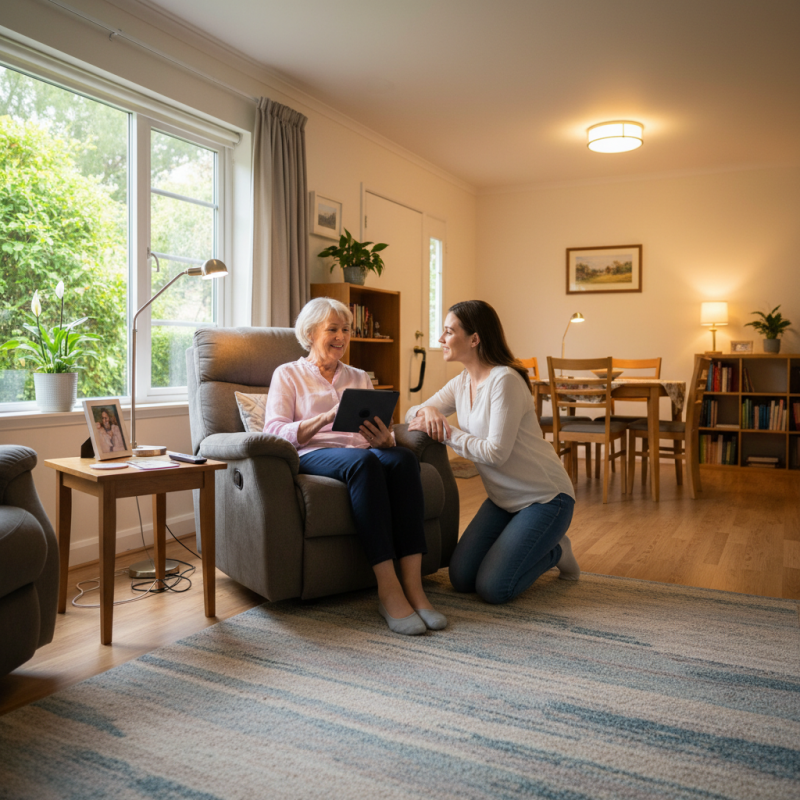
Creating a safe home care environment for seniors begins with a thorough assessment of their needs and limitations. According to a report by the CDC, approximately 36 million falls occur each year among older adults, leading to significant injuries and even fatalities. Understanding a senior resident’s physical abilities is crucial. For instance, mobility issues could require the removal of tripping hazards like rugs or ensuring that walking paths are clear.
Cognitive limitations also play a vital role in creating a safe living space. The Alzheimer’s Association notes that around 6.5 million Americans over 65 are living with dementia. This statistic highlights the importance of establishing a structured environment. It may involve labeling common areas and using visual cues to aid memory. Simple tasks should be simplified to help those with cognitive difficulties navigate their surroundings.
Additionally, regularly assessing the home environment is necessary. Outdated home features could pose risks. A 2021 study showed that seniors preferred homes with updated safety measures, such as grab bars and non-slip mats. This indicates a gap in awareness and action that caregivers need to address. Continuous evaluation ensures that the living space adapts to the evolving needs of senior residents.
Creating a safe home care environment for seniors involves addressing common home hazards effectively. According to the National Council on Aging, falls are the leading cause of injury for older adults. This statistic emphasizes the need for proactive measures in home safety.
Start by evaluating the living space for potential trip hazards. Remove loose rugs and clutter from paths. Ensure all areas are well-lit. Install grab bars in bathrooms and non-slip mats in bathtubs to provide extra support. Studies have shown that simple modifications can reduce fall risks by up to 40%.
Additionally, assess kitchen and living spaces. Keep frequently used items within easy reach to prevent stretching. Use bright labels for appliances for better visibility. In 2017, the CDC reported that kitchen injuries are common among seniors. Prompt attention to these aspects can lead to a more secure setting. Regular reviews of the home environment can identify new risks and allow for timely adjustments.
This chart illustrates the number of incidents related to common home hazards faced by seniors each year. By identifying these hazards, we can take steps to mitigate risks and create a safer home care environment.
Creating a safe home care environment for seniors involves focusing on mobility and accessibility. Ensuring that living spaces are easy to navigate can significantly reduce the risk of accidents. Start by removing tripping hazards. Clear walkways of clutter and ensure that rugs are secured. Installing grab bars in key areas like bathrooms can provide essential support.
Tips: Place frequently used items within easy reach. Avoid high shelves to prevent accidents while reaching for objects. Simple adjustments can make a big difference.
Consider the layout of each room. Widen doorways if possible to accommodate walkers or wheelchairs. Use non-slip mats in the kitchen and bathroom for added security. Good lighting is crucial. Make sure every room is well-lit, especially staircases and hallways. Motion-sensor lights can enhance safety at night.
Tips: Invest in contrast colors for walls and floors. This can help seniors with vision impairments navigate the home more easily. Regularly check that all safety features are in good working condition, as wear and tear can occur.
Creating an effective emergency preparedness plan for seniors is essential. Research indicates that seniors are more vulnerable during emergencies. According to the National Council on Aging, around 25% of seniors face mobility challenges. This increases their risk during natural disasters or health crises.
An emergency plan should include clear communication channels. Seniors may struggle to receive alerts due to hearing loss or cognitive decline. Utilizing simple, large-print flyers can help. It's crucial to include neighbors and local community resources. Emergency contact numbers should be displayed prominently.
Additionally, emergency kits tailored for seniors are vital. These should include medications, water, and non-perishable food. A checklist can ensure these items are up to date. Regular drills may be necessary, as they can reduce fear and confusion. Regularly reviewing the plan helps keep it relevant. It’s important to test the plan, noting any challenges that arise.
Creating a safe home care environment for seniors involves more than just physical safety. Establishing a support system for regular check-ins is essential. Research from the National Institute on Aging indicates that social connectedness can significantly enhance the well-being of older adults. Regular visits or calls can help identify and mitigate potential risks, such as falls or medical emergencies.
One effective tip is to involve neighbors or local community members in this support network. Encourage them to check in on seniors regularly. Even small gestures, like offering to run errands or simply having a chat, can foster a sense of security. Regular interactions can reduce feelings of isolation, a significant factor in mental health.
Consider scheduling weekly check-ins through phone calls or video chats. It creates a routine and shows that someone cares. This not only reassures seniors but can help detect changes in their mood or health early on. Reflecting on these interactions can reveal your loved one’s evolving needs. Involving trusted friends or family can also ensure that seniors have emotional and practical support readily available.
: Assessment helps identify mobility issues and cognitive limitations. It ensures a safer living environment for seniors.
Tripping hazards like rugs and clutter are common. Clear walking paths are essential for safety.
Seniors with cognitive difficulties may struggle with daily tasks. A structured environment can aid their memory.
Seniors often prefer updated safety measures. Grab bars and non-slip mats are frequently requested.
Seniors are more vulnerable during emergencies due to mobility challenges. A plan helps address these risks.
The kit should have medications, water, and non-perishable food. Regular checks ensure items are current.
Use large-print flyers for alerts. Simple language aids comprehension for seniors facing cognitive decline.
Regular reviews keep the plan relevant. Testing it ensures any challenges are recognized and addressed.
Drills can reduce fear and confusion during emergencies. They help seniors feel more prepared for real situations.
Confusion or lack of communication can occur. Noting these issues is crucial for improving the plan.
Creating a safe home care environment for seniors involves several essential steps. First, it’s crucial to assess the individual needs and limitations of senior residents, taking into account their mobility, health conditions, and daily routines. Following this, identifying common home hazards such as clutter, slippery floors, and inadequate lighting allows caregivers to implement necessary changes to mitigate these risks.
Moreover, implementing safety features that enhance mobility and accessibility—like grab bars, non-slip mats, and proper lighting—can significantly improve seniors’ safety. Establishing an emergency preparedness plan ensures that seniors are ready for unexpected situations, while a regular support system for check-ins and assistance helps maintain their well-being. Ultimately, understanding how to create a safe home care environment enables seniors to live more comfortably and independently.

Tucson Medical