How to Create a Safe Home Care Environment?

Time:2026-11-04 Author:Amelia
0%

A safe home care environment is not created by equipment alone. It grows from small, deliberate choices that help someone move, rest, and receive support with dignity. For families learning how to create a safe home care environment, the work can begin with an ordinary walk through the home: a curled rug beside the bed, a dark hallway, or a frequently used cup placed just out of reach. These details may seem minor. They can shape a person’s confidence and independence every day.

Dr. Atul Gawande, a surgeon and writer on health care and aging, offers a useful guiding principle: “Our ultimate goal, after all, is not a good death but a good life to the very end.” His words remind caregivers that safety should support a meaningful life, not turn a home into a clinical space. That balance takes observation, honest conversation, and adjustments suited to the person—not a one-size-fits-all checklist. A clear path to the bathroom, a stable chair with arms, and well-placed lighting may help, but needs change. A solution that works today may feel restrictive tomorrow. This guide explores practical ways to reduce everyday hazards, organize essential items, and make care routines easier to follow. It also leaves room for reflection: caregivers can miss things, and asking the person receiving care what feels safe is an important place to begin.
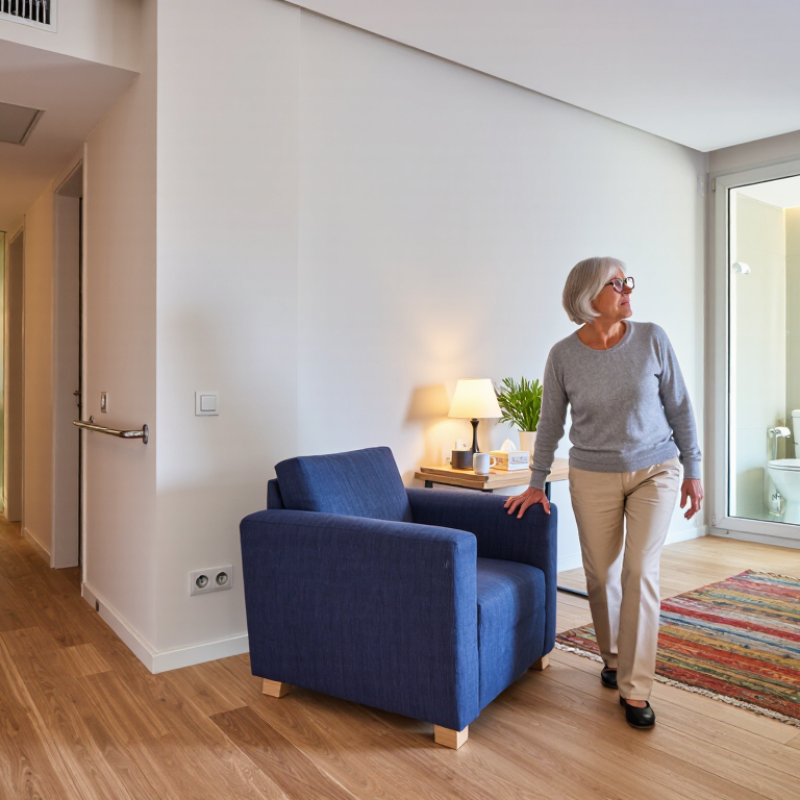
How to Create a Safe Home Care Environment?

Assess Fall Risks First: CDC Says 1 in 4 Adults 65+ Fall Each Year

A safer home starts with a careful look at how someone moves through it. The CDC reports that about one in four adults aged 65 and older falls each year. That number is sobering. A risk check can begin at the front door, where a raised threshold or loose mat may catch a foot. Notice whether the person reaches for furniture, walks unevenly, or hesitates on stairs. Ask about recent falls, dizziness, and changes in confidence, too.

Walk the usual route together, especially at night. Check for dim hallways, trailing cords, clutter, and rugs that slide underfoot. In the bathroom, look for wet floors and places where support is hard to reach. Keep everyday items between waist and shoulder height, so there is less need to climb or bend.

Some hazards look harmless to a visitor. That is easy to miss. With the person’s permission, ask a health professional to review medicines or balance concerns; do not change prescribed doses on your own. A simple checklist helps, though it cannot capture every wobble, rushed trip, or bad-light moment.

Clear Walkways and Add Bathroom Supports to Reduce Fall Hazards

How to Create a Safe Home Care Environment?

Clear Walkways and Add Bathroom Supports to Reduce Fall Hazards

A safe route through the home should be wide, bright, and free of loose rugs, shoes, and charging cords. Move baskets away from doorways and keep frequently used items within easy reach. In dim hallways, add steady lighting, especially between the bedroom and bathroom. Small changes matter. Check walkways from the resident’s eye level; a low object can disappear against a patterned floor. Avoid rushing this check, since clutter often returns during busy care routines.

Tips: Install grab bars beside the toilet and inside the shower, secured to wall framing or with suitable professional installation. Towel rails are not designed to support body weight. Use a firmly secured, nonslip bath mat, and wipe up splashes promptly. Test each support gently before relying on it.

Bathroom needs vary. A raised toilet seat or shower chair may help some people, but the right choice depends on balance, mobility, and transfer ability. An occupational therapist or other qualified clinician can assess the setup. One detail is easy to miss: supports should be positioned where the person can actually reach them while standing or sitting. Recheck their placement as needs change, and never assume a tidy room is automatically a safe one.

Organize Medicines and Care Plans: WHO Estimates Medication Errors Cost $42B Annually

Medication safety begins with clear information, not a crowded cabinet. The World Health Organization estimates that medication errors cost about US$42 billion each year worldwide. At home, mistakes can happen when labels are hard to read, doses change, or caregivers rely on memory. A Tuesday evening pill can look like Monday’s. Small details matter. Keep medicines in their original labeled containers unless a pharmacist advises otherwise. Store them away from heat, moisture, children, and pets.

Keep one up-to-date medication list covering prescriptions, nonprescription medicines, vitamins, allergies, and dose times. Record who gave each dose and when, especially when care shifts between family members. Keep the care plan nearby, with clinician contacts, warning signs, and steps for missed doses. Don’t guess or double a dose; ask a pharmacist or clinician. A tidy system helps, but it cannot replace regular review. Plans can drift out of date.

Tips: Choose a well-lit spot and use a simple checklist. Compare the list with each container after appointments or hospital visits. Mark changes clearly, remove obsolete notes, and ask one caregiver to update the shared copy. If instructions conflict, pause and verify them. Even careful people overlook things.

Set Hand-Hygiene Routines: CDC Says Handwashing Can Prevent 1 in 3 Diarrheal Illnesses

How to Create a Safe Home Care Environment?

Set Hand-Hygiene Routines

Clean hands can interrupt the spread of germs during everyday care. The CDC says handwashing can prevent about one in three diarrheal illnesses. In a home, that matters after helping someone use the toilet, changing a brief, or cleaning up a spill. It also matters before preparing food or helping someone eat.

Make the sink easy to reach. Keep soap, clean towels, and a small step stool nearby if needed. Wash with soap and running water for at least 20 seconds, including between fingers and around the nails. A simple cue can help: wash while humming a short song. No need to make it fancy.

Care routines get interrupted. That happens. A phone rings, a meal boils over, and the next handwashing moment is easy to miss. Put a reminder near the bathroom or kitchen sink, and agree on the routine with anyone sharing care. If hands look dirty, use soap and water rather than relying on sanitizer. Watch for practical barriers, too, such as painful joints or a hard-to-turn faucet. A routine should fit the person and the home, not just look good on paper.

How to Create a Safe Home Care Environment?

Set Hand-Hygiene Routines

Regular handwashing can help prevent about 1 in 3 diarrheal illnesses and about 1 in 5 respiratory illnesses. Build handwashing into everyday care routines, especially before preparing food or eating and after using the bathroom.

Source: U.S. Centers for Disease Control and Prevention (CDC). Figures are approximate.

Install Smoke Alarms: NFPA Reports Working Alarms Cut Home-Fire Death Risk by 60%

A safe home-care environment needs alarms that can be heard from bedrooms, not just one near the kitchen. NFPA reports that working smoke alarms cut the risk of dying in a home fire by 60%. That warning time matters when a resident moves slowly, uses a walker, or needs help waking. Small details count.

The U.S. Fire Administration recommends alarms on every level, inside bedrooms, and outside sleeping areas. Interconnected alarms sound throughout the home when one detects smoke, helping caregivers hear alerts behind closed doors. Test alarms monthly. NFPA advises replacing smoke alarms after ten years; follow the device’s instructions, too. A chirp is not proof that an alarm will work during a fire.

During a home check, stand where the resident sleeps and listen. Can the alarm be heard with the door closed? If not, review its placement and test again. Dust, a removed battery, or an expired unit can undermine protection. Care plans can drift. Record test dates and assign someone to check the alarms; that person may not be available every night.

How to Create a Safe Home Care Environment? — Install Smoke Alarms: NFPA Reports Working Alarms Cut Home-Fire Death Risk by 60%

Safety Dimension Evidence or Recommended Standard Practical Home-Care Action Source
Smoke-alarm protection About 60% lower death rate in reported home fires when smoke alarms were present and working, compared with fires in homes with no alarms. Install alarms on every level, inside each bedroom, and outside sleeping areas. Test them monthly and replace the alarm unit when it reaches 10 years of age. National Fire Protection Association (NFPA), U.S. home-fire and smoke-alarm research
Carbon-monoxide detection Carbon monoxide is an odorless, colorless gas; an alarm is needed to warn occupants of dangerous levels. Install carbon-monoxide alarms on each level of the home and near sleeping areas. Follow the alarm manufacturer’s instructions for testing and replacement. U.S. Consumer Product Safety Commission (CPSC)
Fall prevention for older adults More than 1 in 4 adults aged 65 and older report falling each year. Keep walkways clear, secure loose rugs, improve lighting, and install handrails on both sides of stairs. Add grab bars near the toilet and in the shower or bathtub. U.S. Centers for Disease Control and Prevention (CDC)
Scald prevention A household water-heater setting of 120°F (49°C) is commonly recommended to help reduce scald risk. Check the water-heater setting and use a bath thermometer when a person receiving care may have reduced sensation or difficulty regulating water temperature. U.S. Consumer Product Safety Commission (CPSC)
Emergency readiness Smoke alarms and carbon-monoxide alarms should be maintained according to their instructions; a working alarm is useful only if occupants can respond to it. Plan two ways out of each room where possible, keep exit routes clear, and ensure caregivers know the household’s emergency contact and evacuation plan. NFPA and CPSC home-safety guidance

Figures and recommendations are general guidance. Follow local fire codes, product instructions, and advice from qualified health or safety professionals for individual care needs.

FAQS

How can I check a home for fall risks?

Walk the person’s usual route together, including the path to the bathroom at night. Look for raised thresholds, loose mats, dim lights, cords, and clutter. Notice hesitation, uneven steps, or reaching for furniture. A checklist helps, but it may miss a rushed moment.

What changes can make walkways safer?

Keep routes wide, bright, and clear of shoes, baskets, and charging cords. Move everyday items between waist and shoulder height. Check the floor from the person’s eye level. Small objects can blend into patterned flooring.

What bathroom supports may help prevent falls?

Properly secured grab bars near the toilet and inside the shower can offer support. Use a secured nonslip bath mat and wipe up splashes promptly. Towel rails are not designed to hold body weight. Test supports gently.

Should every person use a shower chair or raised toilet seat?

Not necessarily. The best setup depends on balance, mobility, and transfer ability. Ask an occupational therapist or qualified clinician to assess the bathroom. Position supports where the person can actually reach them.

What should I do if someone has dizziness or recent falls?

Share these concerns with a health professional, along with changes in confidence or walking. Ask whether medicines or balance need review. Do not change prescribed doses on your own. A quiet hesitation can matter.

How can caregivers organize medicines safely?

Keep medicines in their original labeled containers unless a pharmacist advises otherwise. Store them away from heat, moisture, children, and pets. Use a well-lit spot and a simple checklist. Memory alone is a shaky system.

What information belongs on a medication list?

Include prescriptions, nonprescription medicines, vitamins, allergies, and dose times. Record who gave each dose and when, especially across caregiver shifts. Keep clinician contacts and care instructions nearby.

What should I do if medication instructions conflict or a dose is missed?

Pause and verify the instructions with a pharmacist or clinician. Do not guess or double a dose. Compare the list with containers after appointments or hospital visits. Even careful people can miss a change.

Conclusion

Creating a safe home care environment begins with identifying and reducing everyday risks. Since about one in four adults aged 65 and older falls each year, check rooms and hallways for loose rugs, clutter, poor lighting, and slippery surfaces. Keep walkways clear, add sturdy supports in bathrooms, and make frequently used items easy to reach. These simple changes can help people move around with greater confidence and lower the chance of injury.

Good routines matter just as much as a safer layout. Keep medicines clearly organized and maintain an up-to-date care plan so doses and instructions are easier to follow; medication errors carry an estimated annual cost of $42 billion. Make handwashing a regular habit, as it can prevent about one in three diarrheal illnesses. Finally, install and maintain working smoke alarms, which can reduce the risk of dying in a home fire by 60%. Together, these practical steps help make home care safer and more dependable.

Amelia

Amelia

Amelia is a seasoned marketing professional with a wealth of expertise in our company’s core offerings. With an unwavering passion for driving growth and innovation, she plays a pivotal role in shaping our marketing strategies and enhancing brand visibility. A key aspect of her responsibilities......