Choosing the right hospital bed for home care can be a daunting task. With various options available, it is crucial to make an informed decision. In 2026, advancements in technology are shaping how we approach this process. Understanding your specific needs will guide you in selecting a bed that offers comfort and safety.
Consider the patient's mobility and medical conditions. A hospital bed should cater to their unique requirements, whether it's adjusting positions for better circulation or ease of access for caregivers. Look for beds that offer flexibility in height and support.
You might encounter choices that feel overwhelming. Some beds come with advanced features like remote controls and built-in scales. While these can enhance usability, they may also complicate what should be a straightforward decision. Reflecting on practical needs is vital. Always remember, the best decision focuses on comfort and care quality.
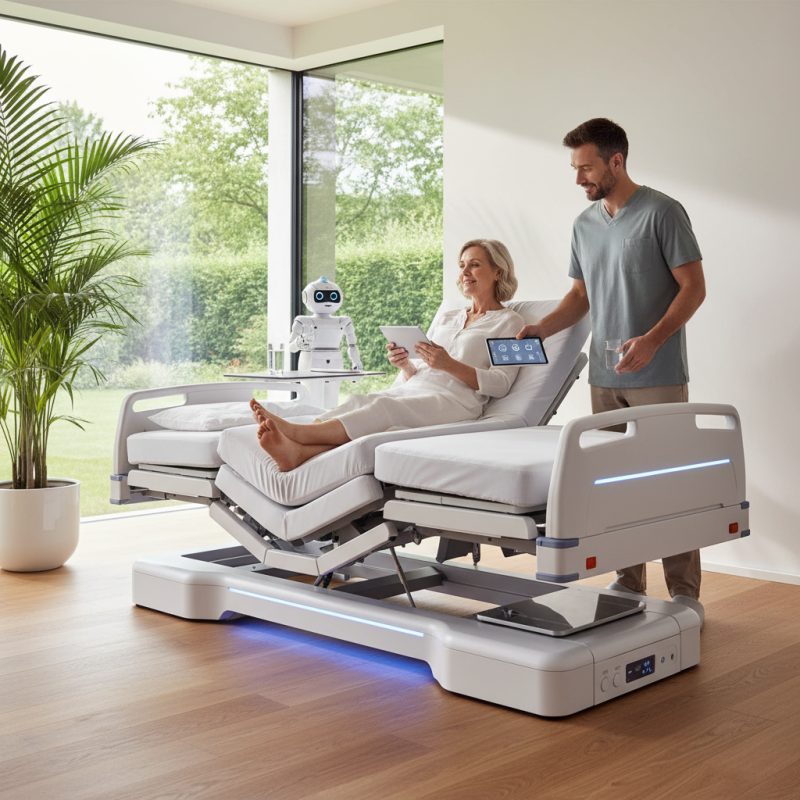
Choosing the right hospital bed for home care can be daunting. Understanding the types is essential. Standard manual beds allow caregivers to adjust the height and position with cranks. These beds are often more affordable and straightforward, but they require physical effort for adjustments.
Electric hospital beds have gained popularity. They provide easy adjustments with a simple remote control. Users can elevate their head or feet at the touch of a button. This feature is particularly helpful for individuals with limited mobility. However, electric beds can be more expensive and may require battery backups or continuous power.
Specialty beds exist for unique needs. Bariatric beds cater to heavier patients, ensuring proper support and stability. Low hospital beds are designed for safety, keeping the mattress closer to the ground. This design reduces the risk of injury from falls but may not fit everyone’s needs. When exploring options, consider both comfort and functionality. Reflect on personal circumstances, as individual preferences can vary.
| Type of Hospital Bed | Adjustability | Weight Capacity | Key Features | Recommended Users |
|---|---|---|---|---|
| Manual Hospital Bed | Limited | 350 lbs | Economical, basic functions | Short-term users, budget-conscious families |
| Semi-Electric Hospital Bed | Partial | 450 lbs | Adjustable height and head support | Long-term users with moderate mobility |
| Fully Electric Hospital Bed | Full | 600 lbs | All electric adjustments, advanced features | Users needing comprehensive care or limited mobility |
| Low Bed | Full | 400 lbs | Height adjustable for fall prevention | Patients with a high risk of falling |
| Bariatric Bed | Full | 800 lbs | Wider frame, heavy-duty construction | Heavyweight patients |
: Think about the patient's needs, mobility, and any recovery requirements. Features and adjustments matter greatly.
Ensure the bed fits the patient's height and weight. This helps prevent falls and ensures comfort.
Adjustability enhances comfort. Patients may prefer either electronic or manual adjustments based on their skills.
Side rails, sturdy frames, and braking systems are vital for safety during use and for caregivers.
Prices range from $500 to $3,000. The price varies based on features and functionality of the bed.
Yes, some insurance plans may cover beds. Contact your provider to know what's included in your policy.
Yes, many suppliers offer financing. It's worth exploring local suppliers or online marketplaces for options.
Having extra room is crucial for caregivers. Confirm the bed size fits comfortably in the intended space.
Take your time and reflect on comfort and daily use. It’s a personal decision that requires careful thought.
Yes, online marketplaces offer affordable options. Ensure you verify the quality before making a purchase.
Choosing the right hospital bed for home care in 2026 involves a comprehensive understanding of the various types available, as each is designed to meet specific needs. Key factors to consider include the patient’s medical condition, mobility requirements, and the space available in the home. Evaluating different features, such as adjustable heights, side rails, and mattress options, is crucial in ensuring comfort and safety.
Additionally, it's important to assess your budget and explore insurance coverage options to manage the financial aspect of acquiring a hospital bed. By prioritizing these elements, you can make informed decisions that enhance the overall home care experience. In summary, knowing how to choose the right hospital bed for home care not only improves patient comfort but also contributes to a safer living environment.

 Tucson Medical