China Top 10 Patient Care Equipment Hygiene Tips

Time:2026-09-17 Author:Sophia
0%

Maintaining clean patient care equipment is not a cosmetic task. It directly supports safer treatment, staff confidence, and more consistent clinical routines. Bed rails, wheelchairs, infusion stands, examination couches, and blood pressure cuffs can collect moisture, skin particles, and microorganisms during daily use. Small details matter.

This guide explains how to maintain hygiene in patient care equipment through practical, evidence-informed habits. It focuses on cleaning schedules, suitable disinfectants, safe handling, drying procedures, storage, and routine inspection. Manufacturer instructions should guide every process, because materials differ. A disinfectant suitable for stainless steel may damage plastic, rubber, or electronic controls. Never guess.

Experienced healthcare teams usually combine written protocols with staff training and visible cleaning records. A simple log can show when a wheelchair was cleaned, who completed the task, and whether damage was found. High-touch surfaces need particular attention, especially handles, call buttons, mattress seams, and control panels. Shared devices deserve extra care between patients.

However, hygiene programs are not perfect. Missed corners, unclear responsibilities, and rushed handovers still occur. That is why regular audits and honest feedback are valuable. A clean appearance does not prove effective disinfection. Staff should check contact times, use appropriate personal protective equipment, and allow surfaces to dry fully before reuse. These top ten hygiene tips offer a practical foundation for safer equipment care across hospitals, clinics, rehabilitation centers, and home-care settings.
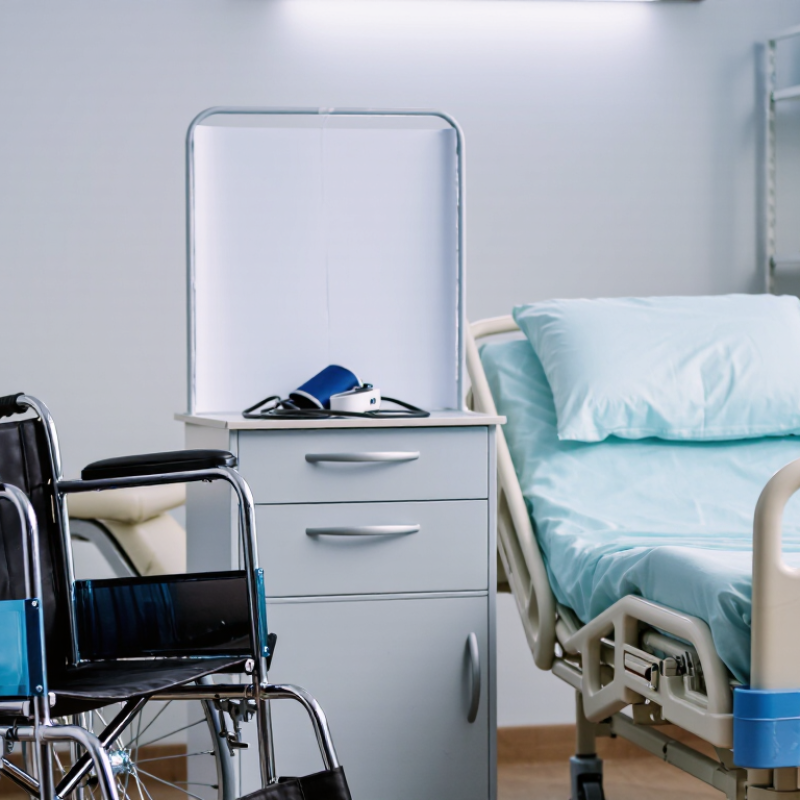
China Top 10 Patient Care Equipment Hygiene Tips

Classify Equipment by CDC’s Spaulding System: Critical, Semicritical, Noncritical

Patient care equipment hygiene starts with risk, not appearance. The CDC’s Spaulding system divides equipment into three groups: critical, semicritical, and noncritical. Critical items enter sterile tissue or the vascular system. They require sterilization after every use. Surgical instruments and vascular-access tools belong here.

Semicritical equipment touches mucous membranes or non-intact skin. These items need high-level disinfection, unless sterilization is practical. Examples include respiratory therapy equipment and some diagnostic scopes. Follow the device instructions, contact time, and drying requirements. A rushed rinse is not disinfection. Noncritical equipment touches intact skin, such as blood pressure cuffs, bed rails, and thermometers. Clean visible soil, then use an approved low-level disinfectant. Keep wet surfaces visibly wet for the required contact time.

The CDC’s 2024 HAI Progress Report states that about one in 31 U.S. hospital patients has at least one healthcare-associated infection on any day. The WHO’s 2022 global report also links stronger infection prevention programs with safer care. These figures make classification practical, not theoretical. Label storage areas clearly, separate clean and used equipment, and record reprocessing checks. Train staff to inspect hinges, probes, cables, and seams. Small cracks can retain organic material. Not always obvious. A practical weakness remains: staff may classify equipment by habit instead of its actual contact risk. Audits should test that judgment, especially during busy shifts. Recheck the classification whenever a device’s use changes.

Sources: CDC, Guideline for Disinfection and Sterilization in Healthcare Facilities; CDC, 2024 Healthcare-Associated Infections Progress Report; WHO, Global Report on Infection Prevention and Control, 2022.

China Top 10 Patient Care Equipment Hygiene Tips: Classify Equipment by the CDC Spaulding System

The chart applies the CDC Spaulding classification to ten common equipment examples. The level indicates the minimum processing category: sterilization for critical items, high-level disinfection for semicritical items, and cleaning followed by low-level disinfection for noncritical items, according to applicable instructions for use.

10 Patient Care Equipment Hygiene Tips

  1. Classify equipment by its intended contact with tissue, mucous membranes, nonintact skin, or intact skin.
  2. Clean instruments before disinfection or sterilization; organic material can reduce processing effectiveness.
  3. Sterilize critical items that enter sterile tissue or the vascular system.
  4. Use high-level disinfection or sterilization for semicritical items that contact mucous membranes or nonintact skin.
  5. Clean and use an appropriate low-level disinfectant on noncritical items that contact intact skin.
  6. Follow the equipment manufacturer’s instructions for cleaning, compatibility, concentration, contact time, and temperature.
  7. Use appropriate personal protective equipment when handling contaminated equipment or chemicals.
  8. Keep clean and contaminated equipment physically separated during transport and storage.
  9. Inspect processed equipment for residual soil, damage, or compromised packaging before reuse.
  10. Use single-use items only once and discard them according to local medical-waste procedures.

Follow WHO’s 5 Moments and Use 60–95% Alcohol Hand Rub Correctly

China Top 10 Patient Care Equipment Hygiene Tips

Clean hands protect patients before clean equipment touches them. Follow WHO’s Five Moments:

  1. before touching a patient
  2. before clean procedures
  3. after body-fluid exposure
  4. after patient contact
  5. after touching nearby surfaces

These moments include bed rails, monitor controls, infusion stands, and shared thermometers. Use a 60–95% alcohol-based hand rub when hands look clean. Apply enough product to cover every surface, including thumbs, fingertips, between fingers, and wrists. Rub for 20–30 seconds, until fully dry.

Tips: Keep hand-rub dispensers near care points, not hidden behind equipment. Do not wipe it off early. Alcohol rub is not a shortcut when hands are visibly dirty, greasy, or contaminated with some difficult organisms. Wash with soap and water when needed. Never use hand rub as a replacement for cleaning patient-care equipment. Reusable devices require approved cleaning and disinfection procedures, correct contact time, and safe storage.

A practical check is simple: watch whether staff miss their thumbs and fingertips during busy shifts. This happens more often than expected. Training should use real equipment, such as blood-pressure cuffs and pulse oximeters, rather than slides alone. Document cleaning schedules, solution preparation, and staff competency checks. One detail may still be overlooked: a clean device can become contaminated when placed on an unclean bedside table. Review the workflow regularly, because perfect compliance is difficult, and unnoticed gaps can remain.

Clean Before Disinfection: Respect CDC Contact Times and Manufacturer IFUs

China Top 10 Patient Care Equipment Hygiene Tips

Patient care equipment hygiene begins with removing visible soil. Blood, lotion, dust, and body fluids can shield microbes from disinfectants. Wear appropriate gloves and follow the facility’s approved cleaning procedure. Wipe from cleaner areas toward dirtier areas. Change cloths when they become visibly soiled. Focus on bed rails, call buttons, handles, and monitor cables. Clean surfaces carefully. A bright-looking surface may still carry contamination.

After cleaning, use a disinfectant compatible with the equipment and its intended use. Read the manufacturer’s IFU before checking dilution, temperature, application method, and component restrictions. The IFU may require wiping, soaking, or avoiding electrical openings. Keep the surface visibly wet for the complete contact time stated on the product label. CDC recommendations support following labeled contact times. Do not wipe immediately because the surface feels dry. Use a timer during busy shifts. A rushed wipe creates false confidence. If drying happens too soon, reapply as directed.

Tips: Clean before disinfecting. Check the IFU. Respect contact time. Use a timer. Never flood controls. Inspect for cracks, residue, or damage. Ask a supervisor when instructions conflict. I have seen good routines fail when staff assumed “almost wet” was enough. That assumption needs review.

Sterilize Critical Devices and Verify Cycles Under ISO 17665 Controls

China Top 10 Patient Care Equipment Hygiene Tips

Critical patient-care devices require more than a quick wipe. Use a validated moist-heat process under ISO 17665 controls. Classify each device by risk, then follow its approved reprocessing instructions. Remove soil before sterilization, because dried protein can shield microorganisms. Rinse, dry, and inspect hinges, channels, seals, and joints carefully. Small cracks matter. Choose packaging that allows steam contact and protects the device afterward.

Load the sterilizer without crowding trays. Keep instruments open and place dense items where steam can reach them. Confirm exposure time, temperature, pressure, and load configuration for every cycle. Use physical readings, chemical indicators, and biological monitoring as required by your risk assessment. Do not release a load based on time alone. Record the operator, cycle number, device load, and results. Traceability protects patients and exposes weak process steps.

Review failed indicators immediately. Quarantine questionable items, investigate the cause, and document the decision. Check calibration, maintenance, water quality, and sensor performance on schedule. Train staff to recognize wet packs, damaged wraps, and incomplete drying. A common weakness is assuming a familiar cycle remains effective forever. It may not, especially after equipment changes or unusual loads. Revalidate when process conditions change, and challenge routine habits during audits.

Audit China Compliance with GB 15982-2012 and 10 Hygiene Checks

China Top 10 Patient Care Equipment Hygiene Tips

Audit China Compliance with GB 15982-2012 and 10 Hygiene Checks

A practical audit should compare patient-care equipment with GB 15982-2012 and local health authority requirements. Check hand hygiene before and after contact, correct personal protective equipment, and cleaning before disinfection. Verify disinfectant concentration, contact time, expiry date, and preparation records. Small errors matter.

Inspect equipment classification and processing methods, especially for items touching mucous membranes or broken skin. Examine high-touch surfaces, clean and dirty storage separation, sterile package integrity, waste handling, and sharps disposal. These are ten essential checks. Use direct observation, staff interviews, surface monitoring, and document review where appropriate.

Look for evidence, not promises. A complete form does not prove safe practice. A damp cloth may spread contamination across several bed rails. Staff may also record contact times from memory, which is unreliable. Ask the infection-control lead to confirm procedures, training dates, corrective actions, and follow-up results. Keep photos, batch records, and signed logs securely. One honest gap is more useful than a perfect-looking audit. Recheck failed items within a defined period, and record who verified the correction.

FAQS

When should staff clean their hands during patient care?

Clean hands before patient contact and clean procedures. Clean them after fluid exposure, patient contact, and nearby surface contact. Nearby surfaces include bed rails, monitor controls, and infusion stands.

How should alcohol hand rub be applied?

Use 60–95% alcohol hand rub when hands look clean. Cover palms, backs, thumbs, fingertips, finger webs, and wrists. Rub for 20–30 seconds. Let hands dry fully.

When is soap and water necessary?

Wash with soap and water when hands look dirty, greasy, or heavily contaminated. Alcohol rub is not always enough. Do not wipe it away early. This shortcut can fail.

Can hand rub replace equipment cleaning?

No. Hand hygiene and equipment cleaning serve different purposes. Clean reusable devices using approved procedures. Then disinfect them when required. Store them on clean, dry surfaces.

What should staff do before disinfecting patient-care equipment?

Remove visible blood, lotion, dust, and body fluids first. Soil can shield microorganisms from disinfectants. Wipe from cleaner areas toward dirtier areas. Change cloths when visibly soiled.

How can staff follow disinfectant contact time correctly?

Check the product label and equipment instructions. Confirm dilution, temperature, application method, and component restrictions. Keep surfaces visibly wet for the required time. Use a timer during busy shifts. Almost wet is not enough.

Which equipment areas need careful attention?

Clean bed rails, call buttons, handles, cables, cuffs, and pulse sensors carefully. Do not flood electrical controls or openings. Inspect for cracks, residue, and damage. A bright surface may still be contaminated.

How should critical devices be sterilized?

Use a validated moist-heat sterilization process for critical devices. Remove soil, rinse, dry, and inspect joints, channels, seals, and hinges. Avoid crowded trays. Steam must reach every required surface.

How can a sterilization cycle be verified?

Check physical readings, chemical indicators, and biological monitoring as required. Record the operator, cycle number, load, and results. Do not release a load based on time alone. Traceability reveals weak process steps.

What should happen after a failed sterilization indicator?

Quarantine questionable items immediately. Investigate the cause and document the decision. Check calibration, maintenance, water quality, and sensors. Review wet packs, damaged wrapping, and incomplete drying. Routine can become unreliable.

Conclusion

Effective patient care equipment hygiene begins with classifying devices under the CDC Spaulding system. Critical equipment that enters sterile tissue requires sterilization, while semicritical devices contacting mucous membranes need high-level disinfection. Noncritical equipment that touches intact skin should receive appropriate cleaning and disinfection between patients. Staff should follow WHO’s five moments for hand hygiene and apply a 60–95% alcohol-based hand rub correctly, covering all hand surfaces until dry.

To understand how to maintain hygiene in patient care equipment, always clean visible soil before disinfection, observe the required contact time, and follow each device’s manufacturer instructions for use. Critical devices should be sterilized through validated cycles, with monitoring aligned with ISO 17665 controls. In China, facilities can strengthen safety by reviewing practices against GB 15982-2012 and completing ten routine hygiene checks, including cleaning quality, staff hand hygiene, storage, transport, documentation, and equipment maintenance. Regular audits and corrective actions help sustain consistent infection prevention performance.

Sophia

Sophia

Sophia is a dedicated marketing professional with an exceptional depth of knowledge about her company's products and services. With a keen understanding of market trends and customer needs, she crafts insightful blog posts that not only inform but also engage readers, enriching the company’s online......