For families in China, choosing mobility equipment for an older adult can feel confusing. A cane may support short indoor walks, while a rollator may offer better balance and a seat for rest. Wheelchairs, transfer boards, bed rails, shower chairs, and patient lifts can also reduce physical strain at home. However, the most expensive device is not always the safest choice.
Understanding how to assist elderly patients with mobility at home begins with observing daily routines. Can the person stand from a low sofa? Do their feet slide on polished tiles? Can they grip a handle with weak fingers? These small details matter. A physiotherapist or occupational therapist should assess strength, balance, vision, and fall risk before equipment is purchased. Gerontological nursing expert Dr. Barbara Resnick has said, “Mobility is a vital sign.” Her statement reminds caregivers to treat movement as essential health information, not merely transportation.
Safety needs patience. Keep pathways clear, secure loose rugs, improve hallway lighting, and place frequently used items within easy reach. A walker that is too high may cause leaning. A wheelchair without proper brakes may create danger during transfers. Even a useful aid can become harmful when fitted poorly. We should also admit an uncomfortable truth: product descriptions cannot replace a hands-on assessment. The following China-focused guide introduces ten common mobility aids, explains their practical uses, and notes their limitations. It aims to support informed decisions, while leaving room for professional advice and the older person’s own preferences. өй
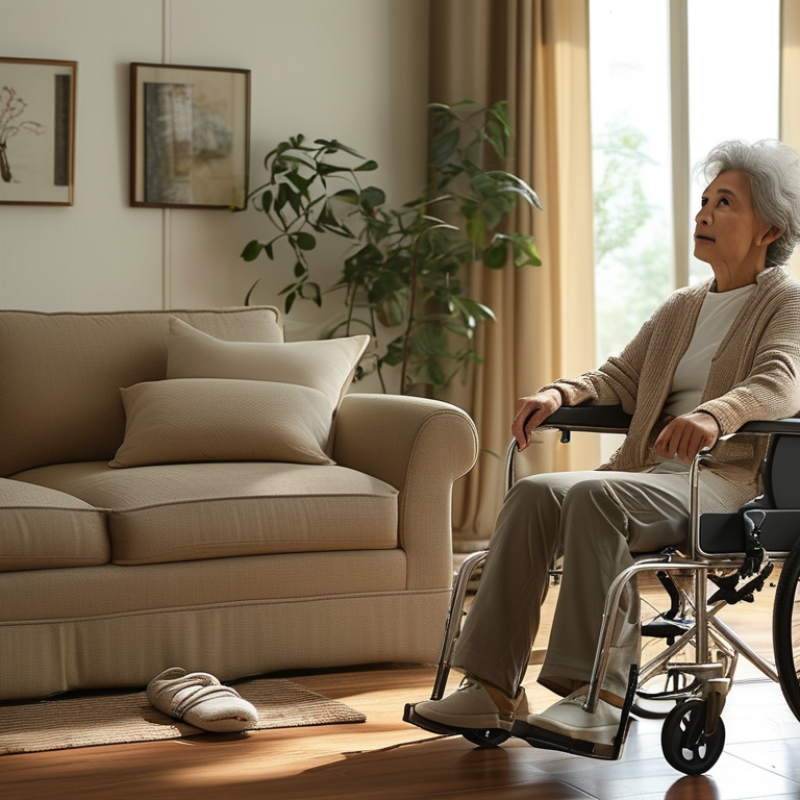
Older adults in China often need mobility support inside the home, not only outdoors. Narrow hallways, polished tile floors, uneven thresholds, and squat toilets can make short journeys risky. A suitable aid may include a walking cane, standard walker, rollator, wheelchair, transfer board, shower chair, grab bar, raised toilet seat, bed rail, or stair lift. However, the right choice depends on balance, leg strength, vision, and the home layout.
A physiotherapist or occupational therapist can observe how an older person rises from a chair, turns near the kitchen, and enters the bathroom. A walker that feels stable in a large showroom may be difficult to turn beside a bed. A grab bar is not automatically safe; it needs secure installation and proper positioning. Family members should also check whether wheels lock, seats remain dry, and walking paths stay clear.
Keep frequently used cups, medicines, and clothing within easy reach. Add brighter lighting near steps and bathrooms. In rural homes, outdoor paths may require attention too. Some families choose equipment quickly during a health crisis, then discover it is rarely used. That is worth reconsidering. Comfort, dignity, and confidence can matter as much as physical support. Small adjustments often help more than expensive equipment.
A wheelchair helps when walking becomes unsafe or exhausting. Door widths and turning space matter. A transfer board can bridge a bed and wheelchair, but it needs a stable surface and trained technique.
Secure grab bars beside the toilet and shower provide useful hand support. They should be professionally anchored, not screwed into weak tile. A stairlift may reduce falls on stairs, though emergency planning and maintenance remain important.
A bed rail can assist with rolling and standing, yet gaps may create entrapment risks. A raised toilet seat reduces sitting depth and may help painful knees. These ten aids work best after an occupational therapist or qualified clinician checks strength, balance, vision, and home layout. Keep walking paths clear, dry, and brightly lit. A loose rug can defeat good equipment. The first choice may not stay right; needs change after illness, fatigue, or a small fall. Recheck fit and technique regularly.
China Top 10 Mobility Aids to Assist Elderly at Home
Choosing a mobility aid should begin with the user, not the product list. A walking cane may suit someone with mild balance problems, while a quad cane offers a wider base. A standard walker provides strong support, but a rollator may suit users who need seats and smoother movement. Crutches, transfer poles, indoor wheelchairs, transport chairs, stair lifts, and bed rails can also help in specific situations.
Consider strength, balance, vision, hand grip, home layout, and daily routines. A narrow hallway may reject a wide walker. A heavy wheelchair can become difficult near a doorway. Measure doorways, seat heights, and turning spaces before buying. A physical therapist or occupational therapist should check the user’s walking pattern and adjust the aid correctly. Handles that are too high can strain shoulders. Handles that are too low may encourage unsafe bending. These details matter.
Tips: Let the user test the aid on the actual floor. Check rubber tips, brakes, wheels, and folding parts regularly. Choose stable support before extra features. Never assume the most expensive option is safest. A model that looks excellent online may feel awkward at home. This is where choices can go wrong. Reassess after illness, surgery, or a noticeable change in balance. When pain, repeated falls, or sudden weakness appears, seek professional medical advice rather than changing equipment alone.
The ten most useful home mobility aids include canes, crutches, walkers, rollators, wheelchairs, transport chairs, mobility scooters, transfer benches, commode chairs, and bed rails. Each device requires a proper fit. A physiotherapist or qualified clinician should check height, posture, weight capacity, and transfer technique before regular use. A cane should touch the floor firmly, while walker tips must stay flat, not twisted.
Safety begins with the surrounding space. Remove loose rugs, improve hallway lighting, and keep cables against the wall. Lock wheelchair and commode chair brakes before sitting. Never pull on a bed rail during an unstable transfer. I still check twice. Small oversights can cause serious falls.
Tips: Inspect rubber tips, wheels, brakes, handles, belts, and frame joints every week. Tighten loose fasteners and replace cracked or worn parts promptly. Clean contact surfaces with a suitable mild cleaner, then dry them fully. Keep equipment in a dry, visible place, away from stairs, heaters, and damp bathrooms. Fold walkers and transport chairs only after brakes are engaged and moving parts are clear. Store scooters with charged batteries according to the instruction manual, but avoid blocking exits. Practice turning slowly around furniture. Even careful routines can slip. When pain, dizziness, or repeated near-falls appear, stop using the aid and request professional reassessment.
China Top 10 Mobility Aids to Assist Elderly at Home
China’s ageing population makes careful mobility-aid selection increasingly important. The National Bureau of Statistics reported 296.97 million people aged 60 or above in 2023, representing 21.1% of the population. Buyers should assess walking distance, balance, joint strength, and home layout before choosing a cane, walker, rollator, wheelchair, transfer board, or stair-support device. A narrow hallway may reject a wide wheelchair. Measure doorways and bathroom entrances first. It sounds obvious.
Safety should lead the buying decision, not the lowest price. Check frame stability, brake response, handle height, wheel grip, seat firmness, and maximum user weight. For elderly users with weak hands, small brake levers can create real difficulty. For indoor use, lighter equipment may improve movement but reduce stability. This trade-off is often underestimated. A trained physiotherapist or occupational therapist can match the aid to gait and posture. WHO and UNICEF estimated in 2022 that more than 2.5 billion people need assistive products worldwide, showing the scale of unmet access and fitting needs.
Chinese buyers should request clear instructions, maintenance support, spare parts, and return conditions. For products marketed as medical devices, verify applicable NMPA registration or filing information. Also check relevant Chinese standards and product test documents. Online reviews help, but they cannot replace a supervised trial. A walker that suits a tall user may force an older person to lean forward. That small error can increase fatigue and fall risk. Suppliers should explain inspection intervals, especially for brakes, hinges, batteries, and rubber tips. Safety is never a decorative feature.
A practical comparison of commonly used home mobility aids, typical applications, and key purchasing factors in China.
| Rank | Mobility Aid | Best Home Use | Suitable User Profile | Indicative Price in China | Typical User Capacity | Portability & Storage | Main Buying Considerations | Important Safety Checks |
|---|---|---|---|---|---|---|---|---|
| 1 | Single-Point Walking Cane | Short indoor walks, balance support, and transfers between rooms. | Older adults with mild balance problems or one-sided weakness. | RMB 30–180 | Usually 80–120 kg | Very light; easy to keep beside a chair or bed. | Adjustable height, comfortable handle, low weight, and a replaceable non-slip rubber tip. | The handle should reach the wrist crease when standing upright; the tip must sit flat on the floor. |
| 2 | Quad Cane | Indoor walking where greater stability than a single-point cane is needed. | Users with moderate balance impairment or reduced leg strength. | RMB 60–250 | Usually 90–120 kg | Light but less convenient on stairs and in narrow spaces. | Base size, height adjustment, handle orientation, floor clearance, and overall weight. | All four feet should contact the floor; the base must not catch on carpets or door thresholds. |
| 3 | Adjustable Elbow or Underarm Crutches | Temporary support after a leg injury or during partial weight-bearing recovery. | Users who can support their upper body and follow safe walking instructions. | RMB 80–400 per pair | Commonly 100–150 kg | Adjustable and relatively easy to store, but requires more coordination. | Correct user height, cuff or underarm fit, grip comfort, ferrule quality, and pair matching. | Never place body weight directly on the armpits; check that rubber ferrules are intact and dry. |
| 4 | Standard Walking Frame | Slow, stable movement around bedrooms, living rooms, and bathrooms. | Users needing maximum walking stability and able to lift or advance the frame. | RMB 120–500 | Usually 100–150 kg | Folds for storage; less suitable for long distances or uneven floors. | Frame width, fold mechanism, height range, handgrip material, and rubber tips or glides. | Use all four contact points before stepping; verify that folding locks engage fully. |
| 5 | Wheeled Rollator Walker | Longer indoor walks, shopping areas, corridors, and rest breaks. | Users who can walk but fatigue easily and need hand brakes or a seat. | RMB 300–1,500 | Usually 100–150 kg | Many models fold; check folded size for elevators, vehicles, and storage areas. | Wheel diameter, brake cable adjustment, seat height, frame width, basket, and turning radius. | Apply both parking brakes before sitting; do not use the seat on slopes or without locked brakes. |
| 6 | Manual Wheelchair | Moving between rooms when walking is unsafe or not possible. | Users with significant lower-limb weakness or limited walking endurance. | RMB 600–4,000 | Commonly 100–150 kg | Folding models are easier to transport; rigid models may be lighter or more supportive. | Seat width and depth, total width, cushion, footrests, rear wheels, brakes, and doorway clearance. | Engage brakes during transfers; use anti-tip devices where appropriate and avoid unsafe slopes. |
| 7 | Transport Wheelchair | Short assisted trips inside the home, hospitals, buildings, or vehicles. | Users who cannot self-propel and have a caregiver available. | RMB 500–2,500 | Usually 90–130 kg | Generally lighter and more compact than a standard wheelchair. | Overall folded size, caregiver handles, brake design, footrests, seat width, and frame weight. | Caregiver brakes must work correctly; use seat belts where provided and never leave the user unattended on a slope. |
| 8 | Powered Wheelchair | Independent movement around larger homes, residential compounds, and accessible paths. | Users with limited arm strength or insufficient endurance for self-propulsion. | RMB 4,000–30,000+ | Commonly 100–150 kg | Heavier and less compact; turning radius and charging location are important. | Battery type, rated range, joystick position, seat support, width, ground clearance, and service availability. | Use the correct charger, keep batteries ventilated as required, and confirm electromagnetic and braking safety features. |
| 9 | Patient Transfer Board | Transfers between bed, wheelchair, sofa, and other nearby surfaces. | Users with limited standing ability who can sit upright and cooperate with a caregiver. | RMB 150–800 | Often 100–150 kg | Compact and easy to store; requires enough space for correct positioning. | Length, width, smoothness, weight rating, grip cut-outs, surface friction, and compatibility with transfer heights. | Lock wheelchair brakes, remove or move armrests when necessary, and use a trained caregiver to reduce fall and skin-injury risk. |
| 10 | Indoor Stair Lift | Safe access between floors where stairs cannot be used independently. | Users with severe mobility limitations who remain able to transfer onto a seat. | RMB 30,000–100,000+ | Often 100–150 kg | Permanent installation; requires professional measurement and electrical work. | Straight or curved staircase, track length, seat swivel, folded width, power backup, warranty, and maintenance support. | Require obstruction sensors, emergency stop controls, secure seat belt, manual lowering capability, and professional installation. |
: Start with balance, strength, vision, grip, and daily routines. Measure doorways and turning spaces. The user matters most.
A cane may help with mild balance problems and short trips on level floors. Check that the handle height prevents shoulder strain.
A standard walker offers broad, steady support. A rollator has wheels and a seat, but its brakes must lock firmly.
Measure door widths, bathroom entrances, and turning areas. A heavy chair may become difficult near narrow doorways.
Grab bars need professional anchoring beside toilets or showers. Bed rails can help standing, but gaps may create entrapment risks.
It reduces sitting depth and may ease painful knees. Check its stability before every use.
Yes. A qualified therapist can assess posture, walking pattern, balance, and home layout. Poor fitting can increase fatigue.
Test brakes, wheels, rubber tips, hinges, folding parts, and batteries regularly. Keep paths dry, bright, and free from loose rugs.
Yes. Illness, surgery, fatigue, or a small fall may change needs. Recheck the equipment regularly. A previous choice may no longer fit.
This guide explores how to assist elderly patients with mobility at home by identifying common movement challenges, such as weak balance, limited leg strength, joint pain, and difficulty standing or walking safely. It introduces ten practical mobility aids, including walking sticks, walkers, rollators, transfer benches, grab bars, bed rails, raised toilet seats, shower chairs, wheelchair ramps, and indoor wheelchairs. Each option is discussed according to its purpose, stability, comfort, and suitability for different home environments.
The article also explains how families and caregivers can choose the right aid based on the user’s physical condition, daily routine, home layout, and level of independence. It highlights safe-use practices, correct fitting, regular inspection, cleaning, maintenance, and space-saving storage. Finally, it outlines important buying considerations in China, including product quality, adjustability, materials, after-sales support, delivery, and professional guidance, helping households create a safer and more comfortable living environment for older adults.
Tucson Medical