China Top Medical Bed Technology Trends for Global Buyers?

Time:2026-09-22 Author:Sophia
0%

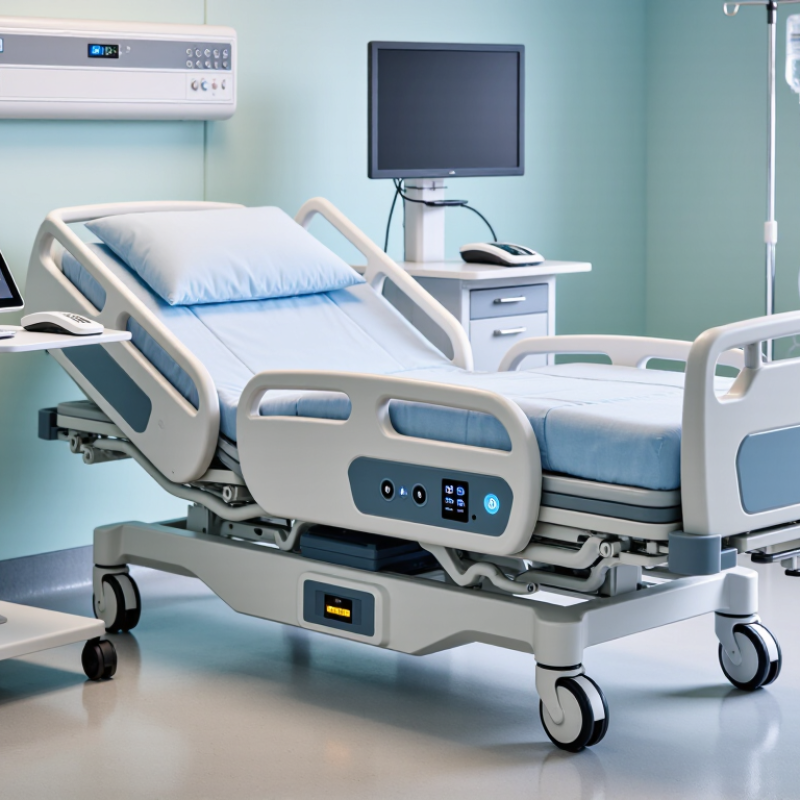
China’s medical bed industry is moving from basic electric adjustment toward connected, safer, and more patient-centered care. Global buyers now ask, “what are the latest trends in medical bed technology” before comparing suppliers, prices, and specifications. The answer is not limited to motorized backrests or height adjustment. Current models increasingly combine low-voltage systems, integrated weighing functions, bed-exit alarms, and touchscreen or handset controls. Some also support nurse-call integration and electronic records, although compatibility varies between hospitals and software platforms.

Practical design details matter. A quiet dual-motor system can help patients reposition without disturbing nearby rooms. Split side rails may reduce fall risks while preserving access for clinical procedures. Easy-clean surfaces, removable mattress platforms, and sealed control panels support infection-control routines. Lithium battery options can maintain essential movement during short power interruptions. However, battery life depends on load, usage frequency, and maintenance discipline. No single feature wins every ward.

For international purchasers, verification should include manufacturing experience, quality systems, product testing, warranty terms, spare-part access, and user training. Suppliers with ISO 13485 certification may demonstrate stronger process control, but certification alone does not prove every product suits a specific hospital. Buyers should review applicable IEC requirements, local registration rules, electrical standards, and service capacity before ordering. Factory audits and sample testing can expose weaknesses hidden by polished brochures. Some predictions will age quickly. Still, evaluating safety, workflow value, total ownership cost, and clinical feedback offers a more reliable path to selecting China-made medical beds for global healthcare environments.
China Top Medical Bed Technology Trends for Global Buyers?

Medical Bed Technology: Definition, Scope, and Core Functions

Medical bed technology covers the design, control systems, materials, and safety features used in patient-support beds. It includes beds for hospitals, intensive care units, rehabilitation centers, and home care. The technology connects mechanical movement with clinical needs. A modern bed may adjust height, backrest angle, knee position, and overall posture through electric controls. Simple control matters.

Core functions should support safer patient handling and efficient clinical work. Lockable casters help staff move and secure the bed quickly. Side rails reduce fall risks when correctly positioned. Emergency CPR release allows rapid flattening during urgent care. Some beds include weighing systems, nurse-call connections, exit alarms, and angle displays. Buyers should verify load capacity, cleaning resistance, noise levels, and battery performance under real working conditions.

Current trends favor low-height frames, integrated sensors, touch controls, and data connectivity. These features can support fall prevention and reduce manual lifting. However, technology is not automatically reliable. A sensor may misread movement under thick bedding. A complicated interface may slow an inexperienced caregiver. During evaluation, global buyers should request usability trials, maintenance records, electrical safety documentation, and staff training plans. Compliance with applicable medical-device and electrical standards must be checked locally. Spare parts availability also affects long-term value, especially where technical service is limited.

Key Innovations Shaping China’s Medical Bed Industry

China’s medical bed industry is moving beyond simple height adjustment. Electric back, knee, and Trendelenburg controls now respond with smoother, quieter movement. This matters in intensive care rooms where noise can disturb sleep and clinical communication. Many new models use modular frames, replaceable actuators, and accessible battery compartments. These choices can shorten maintenance time for hospitals serving large patient volumes. Pressure-redistribution platforms are also becoming more precise through zoned air systems and firmer edge support. Not every improvement is equally useful.

Bedside sensors can monitor occupancy, posture changes, and prolonged immobility. When integrated with nurse-call systems, they may support earlier fall prevention and repositioning. However, buyers should request validation data, not rely on attractive interface screens. Connectivity must also fit local networks, cybersecurity rules, and hospital workflows. Practical testing should include wet cleaning, emergency lowering, transport over thresholds, and repeated load cycles. A bed that performs well in a showroom may struggle after months of intensive use. That gap deserves attention.

Chinese manufacturers are increasingly combining domestic component supply with export-oriented quality systems. Global buyers can examine risk files, electrical safety reports, biocompatibility records, and factory process controls. Independent inspections and sample-based testing add stronger evidence than catalog claims. Clinicians should assess rail release force, caster braking, mattress compatibility, and alarm clarity. Some smart functions still create training burdens for smaller facilities. The technology is advancing quickly, but usability remains the harder test.

Smart Features and Connected Hospital Bed Systems

China’s medical bed sector is moving from mechanical adjustment toward connected care. For global buyers, the change is visible at the bedside. A nurse can raise the backrest, check mattress pressure, and receive a fall-risk alert from one interface. Embedded sensors can track bed position, occupancy, and prolonged immobility. These signals may connect with a hospital’s nurse-call or electronic record system through approved interfaces. Integration matters more than a bright screen.

In practical evaluations, buyers should test alarm accuracy beside infusion pumps, curtains, and moving staff. False alerts create fatigue. Missed alerts create risk. Smart beds increasingly support low-height positioning, automatic brake checks, weighing functions, and under-bed lighting. Some systems display maintenance warnings before a motor fails. That can reduce unexpected downtime, but only when calibration and servicing are documented. Data encryption, user permissions, audit logs, and local hosting options also deserve contract-level review. Privacy rules differ across markets, so a copied compliance statement is not enough.

Connected systems work best when nurses can learn them quickly. A clear control panel beats ten hidden settings. Training should include emergency release, manual operation, cleaning, and network failure procedures. Buyers should request clinical demonstrations, not only factory videos. One weakness remains: interoperability is often less seamless than sales materials suggest. Legacy equipment, unstable Wi-Fi, and rushed installation can interrupt useful data. A careful pilot in several wards can expose these gaps before broad deployment.

Safety, Comfort, and Standards for Global Buyers

China Top Medical Bed Technology Trends for Global Buyers

Global buyers now expect medical beds to protect patients, support caregivers, and meet dependable safety requirements. Technology matters, but basic design choices often matter more. Electric adjustment should move smoothly, stop reliably, and remain usable during power interruptions. Clear brake indicators, guarded control panels, and rounded frame edges reduce daily risks. These details are easy to overlook.

Comfort depends on more than soft mattresses. Effective pressure redistribution, low motor noise, stable side rails, and adjustable back sections can improve patient recovery. A practical bed should also fit common mattress sizes and allow cleaning around joints and casters. Very important. Caregivers need controls they can understand quickly, especially during night shifts. A complicated interface may look advanced but create hesitation.

Standards require careful verification. Buyers should review applicable electrical safety, performance, biocompatibility, and quality-management requirements in the destination market. IEC 60601-2-52 may guide medical bed safety, while ISO 13485 supports controlled manufacturing systems. Local registration and testing can still differ. A certificate alone does not prove suitability.

Request test reports, risk assessments, user instructions, maintenance schedules, and traceable component information. It is tempting to judge value by functions and price, yet long-term reliability often depends on service training and spare-part availability. No procurement process is perfect; even experienced teams can miss a small gap beside a rail or underestimate cleaning time. Testing a sample bed with real users may reveal more than a polished specification sheet.

How to Evaluate Chinese Medical Bed Suppliers and Products

When global buyers evaluate Chinese medical bed suppliers, a polished catalog is only the starting point. Ask about manufacturing experience, quality controls, and the intended clinical setting. A supplier should explain its production process clearly, from steel preparation to final electrical testing. Request current certificates, then verify their scope and issuing organization. Do not rely on logos alone.

Inspect a sample bed closely. Check frame welds, mattress platform gaps, side-rail locking, and caster movement. Test the backrest and height functions repeatedly, not just once. Confirm the safe working load through documented test reports. Ask whether motors, batteries, and control panels have traceable batch records. Small details matter. A loose cable can create service problems later.

Factory communication also reveals reliability. Can the supplier provide drawings, spare-parts lists, user instructions, and maintenance schedules in accurate English? Ask for inspection records before shipment and clarify warranty response times. An independent factory audit may reveal storage weaknesses or inconsistent assembly. I have seen attractive samples differ from mass production, so approve a pre-shipment inspection plan. No supplier is perfect. The buyer should record every requirement, including plug type, voltage, disinfectant resistance, and packaging conditions. Compare total ownership cost, not only the purchase price. A cheaper bed may become expensive when replacement parts, training, or delayed support are included.

FAQS

What smart functions should buyers examine in a connected hospital bed?

Check bed position, occupancy, mattress pressure, and prolonged immobility alerts. A nurse should see these signals from one clear interface. Integration matters more than a bright screen.

How can buyers test alarm reliability?

Test alarms near infusion pumps, curtains, and moving staff. False alerts tire nurses. Missed alerts create risk. A short demonstration is not enough.

What happens when the network or power fails?

The bed should support emergency release and manual operation. Ask for clear procedures during Wi-Fi or power interruptions. Test them directly. Do not assume.

Which safety details deserve close inspection?

Check smooth electric movement, reliable brakes, guarded controls, and rounded frame edges. Test side-rail locking and caster movement several times. Small gaps may create problems.

How does a bed support patient comfort?

Look for pressure redistribution, quiet motors, stable rails, and adjustable back sections. Confirm mattress compatibility and easy cleaning around joints. Soft padding alone is not enough.

Which documents should global buyers request?

Request test reports, risk assessments, user instructions, and maintenance schedules. Review applicable electrical, performance, biocompatibility, and quality requirements. A certificate alone does not prove suitability.

How should buyers evaluate a medical bed supplier?

Inspect welds, platform gaps, cables, motors, batteries, and control panels. Ask for batch records and safe working-load evidence. Catalogs can look perfect. Mass production may differ.

Why is a pilot deployment useful?

Test several wards before broad installation. A pilot can expose weak Wi-Fi, legacy-equipment conflicts, rushed training, and cleaning delays. Some gaps remain invisible on paper.

Conclusion

This guide explores what are the latest trends in medical bed technology and how they are influencing hospital care, procurement, and patient outcomes. It explains the definition, scope, and core functions of modern medical beds, including adjustable positioning, mobility support, pressure management, and integrated safety features. It also examines key innovations in China’s medical bed industry, such as electric adjustment systems, modular designs, improved materials, and more efficient manufacturing approaches.

For global buyers, the article highlights the development of smart and connected hospital bed systems, including monitoring capabilities, data connectivity, and workflow support. It also addresses safety, comfort, durability, hygiene, and relevant quality standards that should be considered during product evaluation. Finally, it provides practical guidance for assessing Chinese medical bed suppliers, focusing on technical specifications, customization capacity, quality control, certifications, after-sales support, production consistency, and communication. The goal is to help healthcare purchasers make informed, reliable, and application-focused sourcing decisions.

Sophia

Sophia

Sophia is a dedicated marketing professional with an exceptional depth of knowledge about her company's products and services. With a keen understanding of market trends and customer needs, she crafts insightful blog posts that not only inform but also engage readers, enriching the company’s online......