Providing the best elderly care at home requires a thoughtful approach. Experts emphasize understanding individual needs. Dr. Jane Thompson, a geriatric care specialist, states, "A personalized plan is crucial for effective home care." Her insight highlights the importance of tailoring care to fit each elderly person's unique circumstances.
What are the best practices for elderly care at home? This question is pivotal for families. Effective communication is vital. Engage in conversations with seniors about their preferences. Listen actively to their concerns. This helps build trust and ensures their comfort.
Caregivers also need to consider safety measures. Simple adjustments, like adding grab bars and ensuring good lighting, can prevent falls. Regular health check-ups are crucial. Yet, many families overlook these basic practices. Reflecting on the care provided is essential. Are we truly meeting their needs? Providing attention to detail can significantly impact their quality of life.
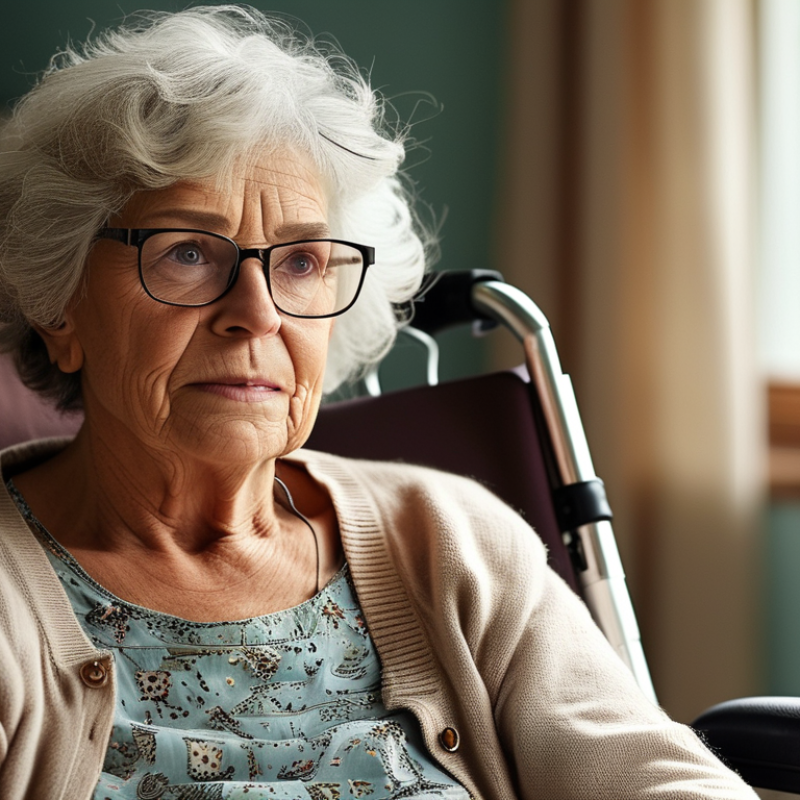
Understanding the Unique Needs of Elderly Individuals
Elderly individuals have unique needs that require thoughtful consideration. Many face mobility challenges and may need assistance with daily tasks. Home modifications can enhance safety. Simple steps like removing rugs and installing grab bars can prevent falls. Ensuring easy access to frequently used items is crucial.
Moreover, mental health is vital. Loneliness can affect well-being. Regular social interactions, even brief visits, can make a difference. Consider engaging elderly individuals in activities they enjoy. Simple hobbies like gardening or reading can spark joy and keep their minds sharp. Create a schedule that includes both physical and social activities.
Caring for the elderly at home can be rewarding but may also be overwhelming. It’s essential to seek help when needed. Connect with local support groups or professionals. Communication is key. Regularly check in on their feelings and concerns. This helps address issues before they become significant problems, fostering a more comfortable living environment.
Understanding the Unique Needs of Elderly Individuals
Creating a Safe and Comfortable Living Environment
Creating a safe and comfortable living environment for the elderly is essential for their well-being. Start by assessing potential hazards in the home. Remove tripping hazards like loose rugs or clutter in walkways. Install grab bars in bathrooms and ensure that lighting is adequate. Consider night lights in hallways for safe navigation at night.
Comfort can also be enhanced through personal touches. Personal items, like family photos or favorite blankets, can provide emotional reassurance. Adjustable furniture, such as chairs that support easy sitting and standing, is vital. Make sure that everyday items are within reach to minimize strain.
Regularly review and adapt the living space. Needs change with time, and what’s safe today might not be tomorrow. Involving the elderly in decisions about their environment fosters independence. Open communication can highlight areas that require improvement. Monitoring comfort levels can lead to necessary adjustments, enhancing both safety and quality of life.
Developing a Personalized Care Plan
Creating a personalized care plan for elderly individuals is crucial for ensuring their well-being at home. It begins with thorough assessments of their medical history, lifestyle preferences, and social needs. Research indicates that tailored care plans can improve health outcomes by up to 30%. By understanding the unique requirements of each elderly person, caregivers can better address issues like mobility, nutrition, and daily routines.
Incorporating input from family members and healthcare professionals can enhance the care plan's effectiveness. Open communication with caregivers helps in identifying potential challenges. For instance, over 60% of caregivers report feelings of stress or burnout, often due to inadequate support. Regular evaluations of the care plan allow for adjustments based on the elderly individual’s evolving needs. This practice not only fosters independence but also builds trust between caregivers and the elderly.
Furthermore, training for caregivers is essential. They should have knowledge in elder care practices, especially in managing chronic diseases. However, there's a noticeable gap; only about 40% of caregivers receive formal training. A well-informed caregiver can help ensure safety and comfort, ultimately leading to better quality of life for elderly individuals at home.
Incorporating Social Interaction and Mental Stimulation
Social interaction and mental stimulation are vital for the well-being of elderly individuals at home. Research shows that social engagement can reduce the risk of cognitive decline. A study published by the National Institute on Aging reveals that older adults who engage in regular social activities experience a 70% reduced risk of developing dementia compared to those who are isolated. This statistic underscores the importance of fostering connections, whether through family visits, community programs, or virtual platforms.
Mental stimulation is equally crucial. Activities like playing games, reading, or participating in hobbies can maintain cognitive function. According to a report from the Alzheimer’s Association, engaging in mentally stimulating activities can lower the risk of memory loss by up to 50%. Providing opportunities for creative outlets or problem-solving tasks can be incredibly rewarding for seniors. However, caregivers must be mindful of the need for balance. Too much pressure to perform can lead to frustration, which should be avoided. Encouragement paired with patience yields the best results.
Incorporating structured social and mental activities into daily routines can enhance an elderly person's quality of life. It's essential to tailor these activities to individual preferences and capabilities. While some may thrive in group settings, others may prefer one-on-one interactions. Adapting to these differences remains a challenge for caregivers but is crucial. This individual approach ensures seniors feel valued and engaged, ultimately contributing to their overall happiness.
Regular Monitoring and Health Management Strategies
Regular monitoring and health management are essential for providing the best elderly care at home. According to the
Centers for Disease Control and Prevention (CDC), about 80% of older
adults have at least one chronic condition. This statistic highlights the importance of consistent health evaluations.
Regular check-ups help in early detection of potential issues, ensuring timely intervention.
Establishing a routine for medication management is crucial. Having a daily schedule can significantly reduce the
chances of missed doses. Research shows that medication non-adherence results in 125,000 deaths annually
in the U.S. Ensuring elders take their medications properly should be a top priority.
Tip: Use pill organizers and set reminders to help manage medications effectively.
It's important to monitor physical activity and nutrition. Many seniors struggle with
maintaining a balanced diet, which can lead to nutritional deficiencies. A study published in the Journal of Nutrition
found that inadequate nutrition can lead to decreased immunity. Regularly assessing their dietary habits can
greatly improve overall health.
Tip: Keep a food diary to track daily intake and identify areas for improvement.
Assessing mental health is equally important. Many elderly individuals face loneliness and depression, which
can affect their physical health. A survey by the National Institute on Aging found that nearly one in four
older adults experience anxiety or depression. Open communication and regular check-ins can help address these issues.
Encouraging social interactions can be beneficial as well.
FAQS
: Many elderly individuals struggle with tasks like walking and standing. These challenges may require assistance for daily activities.
Simple changes, like removing rugs and adding grab bars, can prevent falls. Safety improvements enhance overall well-being.
Mental health impacts overall well-being. Loneliness can lead to significant issues, so social interaction is essential for happiness.
Engage them in activities they enjoy, such as gardening or reading. Regular visits from friends or family can also help.
Regular check-ups for health evaluation are crucial. Consistent monitoring can help detect issues early.
A daily medication schedule is vital. Using pill organizers and setting reminders can help ensure correct dosages.
Many struggle to maintain a balanced diet, leading to nutritional deficiencies. Regular assessment can improve their health.
Loneliness and depression are common in seniors. Regular communication can facilitate early intervention and support.
Create a schedule that includes physical activities. Small, enjoyable exercises can help maintain mobility and health.
Encourage regular social interactions. Activities with others can alleviate feelings of isolation and enhance quality of life.
Conclusion
Providing the best elderly care at home requires a comprehensive understanding of the unique needs of elderly individuals. It is crucial to create a safe and comfortable living environment that minimizes hazards and promotes independence. Developing a personalized care plan tailored to the individual’s preferences, health conditions, and daily routines is essential for effective support. Additionally, incorporating social interaction and mental stimulation can significantly enhance the quality of life, preventing feelings of isolation and boredom.
Regular monitoring and health management strategies are also vital components in ensuring elderly individuals maintain optimal health. By integrating these elements, caregivers can establish what are the best practices for elderly care at home, fostering a holistic approach that emphasizes safety, personalization, and well-being while promoting a nurturing atmosphere.

 Tucson Medical