In the medical field, proper patient positioning is crucial for safety and efficacy. Patients commonly undergo various procedures that necessitate specific body alignments. However, what are the risks of improper patient positioning? This question remains vital for healthcare professionals.
Neglecting adequate positioning can lead to severe consequences. These may include pressure ulcers, nerve damage, and respiratory complications. Each year, thousands of patients suffer due to positioning errors. Training is essential to minimize these risks. Medical staff must understand the unique needs of each patient.
Moreover, even minor lapses in awareness can have significant implications. It’s vital for healthcare facilities to emphasize proper positioning techniques. Continuous education on this topic can reduce risks greatly. Patients deserve the best care, and attention to positioning is a key part of that care. Taking these precautions can enhance recovery and improve overall outcomes.
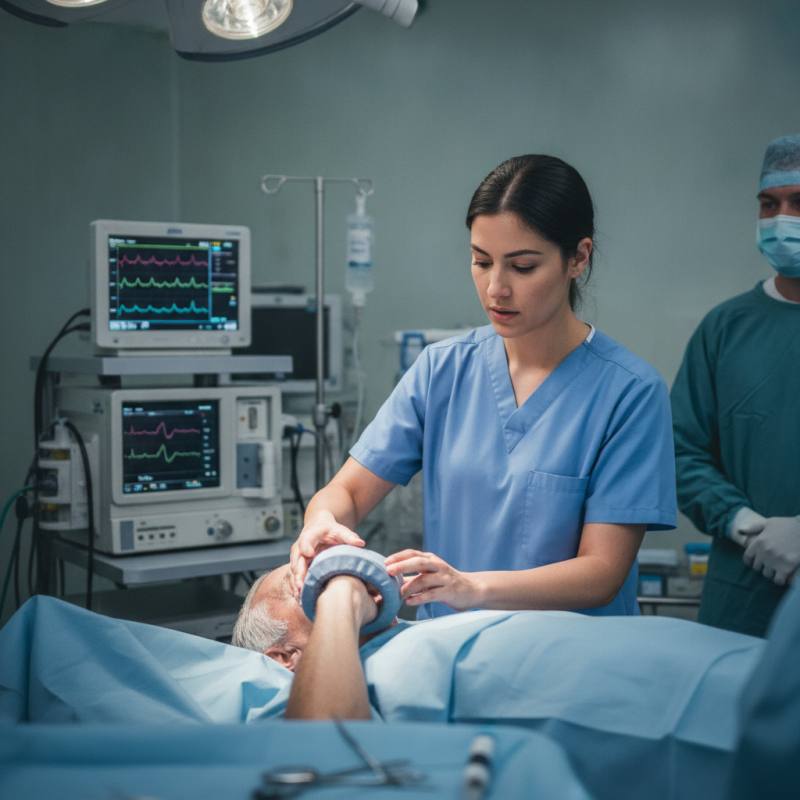
Proper patient positioning is crucial in healthcare. Studies indicate that nearly 30% of hospitalized patients experience some form of positioning-related injury. These injuries can include skin breakdown, pressure ulcers, and even fractures. According to the National Pressure Ulcer Advisory Panel, about 2.5 million patients in the U.S. develop pressure ulcers annually, leading to increased healthcare costs and longer recovery times.
Inadequate positioning can happen for various reasons. For instance, staff may rush due to high patient ratios or lack of proper training on safe positioning techniques. A report from the Agency for Healthcare Research and Quality highlights the role of adequate staff training in preventing these risks. Facilities that prioritize staff education report significantly lower incidences of positioning injuries.
Additionally, proper use of positioning devices is essential. However, many healthcare providers overlook this aspect, resulting in adverse outcomes. A systematic review found that using specialized cushions can reduce pressure ulcers by up to 40%. Investing in the right tools and training is not just beneficial; it is necessary for patient safety and well-being.
Improper patient positioning can lead to several severe risks. One primary concern is pressure ulcers, also known as bedsores. These occur when there is sustained pressure on the skin, often due to prolonged immobility. Vulnerable areas like the heels, tailbone, and hips are particularly at risk. Regular assessment is key to prevention.
Another risk is nerve damage. Poor positioning can compress nerves, leading to pain or numbness. This might occur when limbs are placed abnormally, causing discomfort. It's crucial for healthcare professionals to be vigilant in monitoring patients' positions.
Additionally, respiratory complications can arise from slouched or supine positioning. This can restrict lung expansion and lead to inadequate oxygenation. Patients recovering from surgery are especially susceptible. Frequent repositioning and the use of support devices can help mitigate these risks, but ongoing awareness and education are vital for all caregivers.
Neglecting patient positioning standards can lead to severe consequences. Improper positioning increases the risk of pressure ulcers, which can significantly affect recovery times. Patients confined to one position for too long may experience stiffness and muscle atrophy. This not only hinders healing but can also lead to chronic pain.
Pressure ulcers develop quickly. Regularly changing a patient's position is crucial. Staff should implement hourly checks to assess and adjust positioning. This simple act can prevent long-term complications. Encouraging mobility, when possible, supports overall patient health.
In addition, proper awareness and training regarding patient positioning is vital. Staff should receive ongoing education about the risks associated with poor positioning. Understanding anatomy and circulation helps in making informed decisions. Regular audits can ensure adherence to positioning protocols. This reinforces a culture of safety and responsiveness in healthcare settings.
Patient positioning is crucial in healthcare settings. Improper positioning can lead to serious complications including pressure injuries, nerve damage, and impaired circulation. According to the National Pressure Injury Advisory Panel, approximately 2.5 million patients in the U.S. develop pressure ulcers each year. These injuries can significantly impact patient recovery and increase healthcare costs.
To ensure safe patient positioning, healthcare professionals should follow best practices. Regular assessments are vital. Evaluate the patient’s condition and adjust their position as needed. Use supportive devices like pillows and cushions to maintain optimal body alignment. This can prevent unnecessary strain on vulnerable areas.
Tip: Always document the patient’s positioning changes. This helps in tracking progress and identifying potential risks.
Education is key for staff members. Regular training sessions can enhance awareness of proper techniques. A study published in the Journal of Nursing Care Quality found that education reduced positioning errors by 30%.
Tip: Encourage a culture of safety. Team members should feel comfortable reporting concerns about positioning without fear of repercussions.
Improper positioning is an ongoing challenge. Continuous improvement in practices is essential to safeguard patient well-being. This requires vigilance and active participation from all healthcare providers.
| Risk Factor | Description | Best Practice | Recommendation |
|---|---|---|---|
| Pressure Ulcers | Inadequate repositioning can lead to skin breakdown. | Regularly reposition patients. | Use pressure-relieving devices. |
| Respiratory Issues | Improper positioning may hinder breathing. | Elevate the head of the bed as needed. | Monitor respiratory status frequently. |
| Nerve Damage | Prolonged pressure on nerves can lead to injury. | Avoid prolonged pressure at bony prominences. | Assess skin and sensation regularly. |
| Falls | Improper positioning can increase fall risk. | Ensure proper use of side rails and restraints. | Perform fall risk assessments routinely. |
| Musculoskeletal Injury | Incorrect lifting or positioning can harm caregivers. | Use proper body mechanics and assistive devices. | Provide training on safe lifting techniques. |
Improper patient positioning can lead to severe consequences, including pressure ulcers and nerve damage. Training healthcare professionals is critical to mitigating these risks. According to the Agency for Healthcare Research and Quality, nearly 2.5 million patients develop pressure ulcers each year in the U.S. alone. This alarming statistic underscores the need for comprehensive education on proper techniques and positioning.
Healthcare institutions must implement robust training programs. These programs should incorporate both theoretical knowledge and practical skills. Based on reports, hands-on workshops can improve retention. Regular refreshers can also address the evolving standards in patient care. Inadequate training can lead to oversights in patient safety, directly impacting recovery outcomes.
Real-world examples highlight this issue. A study indicated that 75% of nursing staff felt unprepared to reposition patients correctly. This gap demonstrates a need for ongoing education. Peer-led sessions can facilitate open discussions about challenges faced in patient handling. Knowledge sharing helps professionals learn from each other, ultimately improving patient care standards.
: Proper positioning prevents injuries such as pressure ulcers and stiffness, leading to better recovery outcomes.
Injuries may include skin breakdown, pressure ulcers, and muscle atrophy, affecting healing.
About 2.5 million patients in the U.S. develop pressure ulcers each year.
High patient ratios and lack of training can lead to rushed and improper positioning.
Ongoing training improves staff awareness, which can reduce positioning errors by 30%.
Regular assessments, supportive devices, and documenting changes maintain optimal body alignment.
Staff should perform hourly checks to adjust and assess patient positioning.
Specialized cushions and supportive devices can significantly reduce pressure injuries.
Neglect can lead to chronic pain, impairments, and prolonged hospital stays, hindering recovery.
Team members should report positioning concerns openly, feeling safe from repercussions.
Proper patient positioning is crucial in healthcare to prevent complications and ensure patient safety. Understanding the risks associated with improper patient positioning is essential for healthcare professionals. Common risks include pressure ulcers, nerve damage, and respiratory complications, all of which can arise when patients are not positioned correctly. The consequences of neglecting patient positioning standards can lead to severe patient harm, extended hospital stays, and increased healthcare costs.
To mitigate these risks, best practices for safe patient positioning must be implemented. This includes thorough training and education for healthcare professionals, emphasizing the importance of proper techniques and regular assessments of patients’ positioning. By addressing what are the risks of improper patient positioning and adopting effective strategies, healthcare providers can greatly enhance patient outcomes and safety.
Tucson Medical